

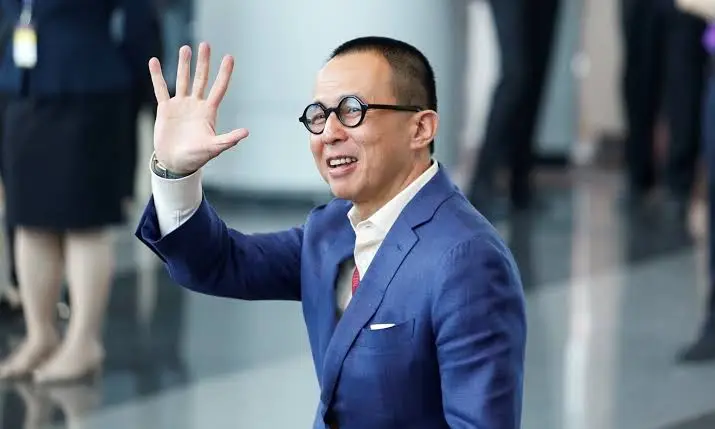
A failed American satellite and a Chinese billionaire inadvertently sparked India’s media revolution. When Hughes’ Westar 6 misfired in 1984, it was rescued, refurbished, and relaunched in 1990 as AsiaSat 1 by Hong Kong investor Li Ka-shing. His son Richard Li used this satellite to create Star TV, beaming five channels across Asia starting August 1991, coinciding perfectly with India’s economic liberalization.
Star TV’s arrival found ready infrastructure in India, where cable operators had been wiring high-rise buildings since the mid-1980s to play pirated Hindi films on video cassette recorders. When satellite television arrived with CNN’s Gulf War coverage in January 1991 and then Star TV months later, these operators instantly had content to distribute. What followed was a media explosion that would reshape Indian entertainment consumption forever.
For over 25 years, linear television dominated the landscape, commanding roughly half the aunce and revenues for the entire media business. The industry has since evolved into a comprehensive digital and entertainment powerhouse valued at $2.8 trillion, encompassing everything from traditional broadcasters like Zee to modern streaming platforms including Netflix and the newly formed JioStar.
Globally, media and entertainment sectors continue attracting substantial investment. BlackSun Private Equity recently launched with $1 billion raised for its first fund, targeting professional sports and franchise ownerships with an emphasis on community participation. Among their early initiatives is forming a bidding group for Seattle’s potential NBA franchise return, partnering with Native World Sports to advance tribal nation participation across professional sports and entertainment.




















Leave a comment