

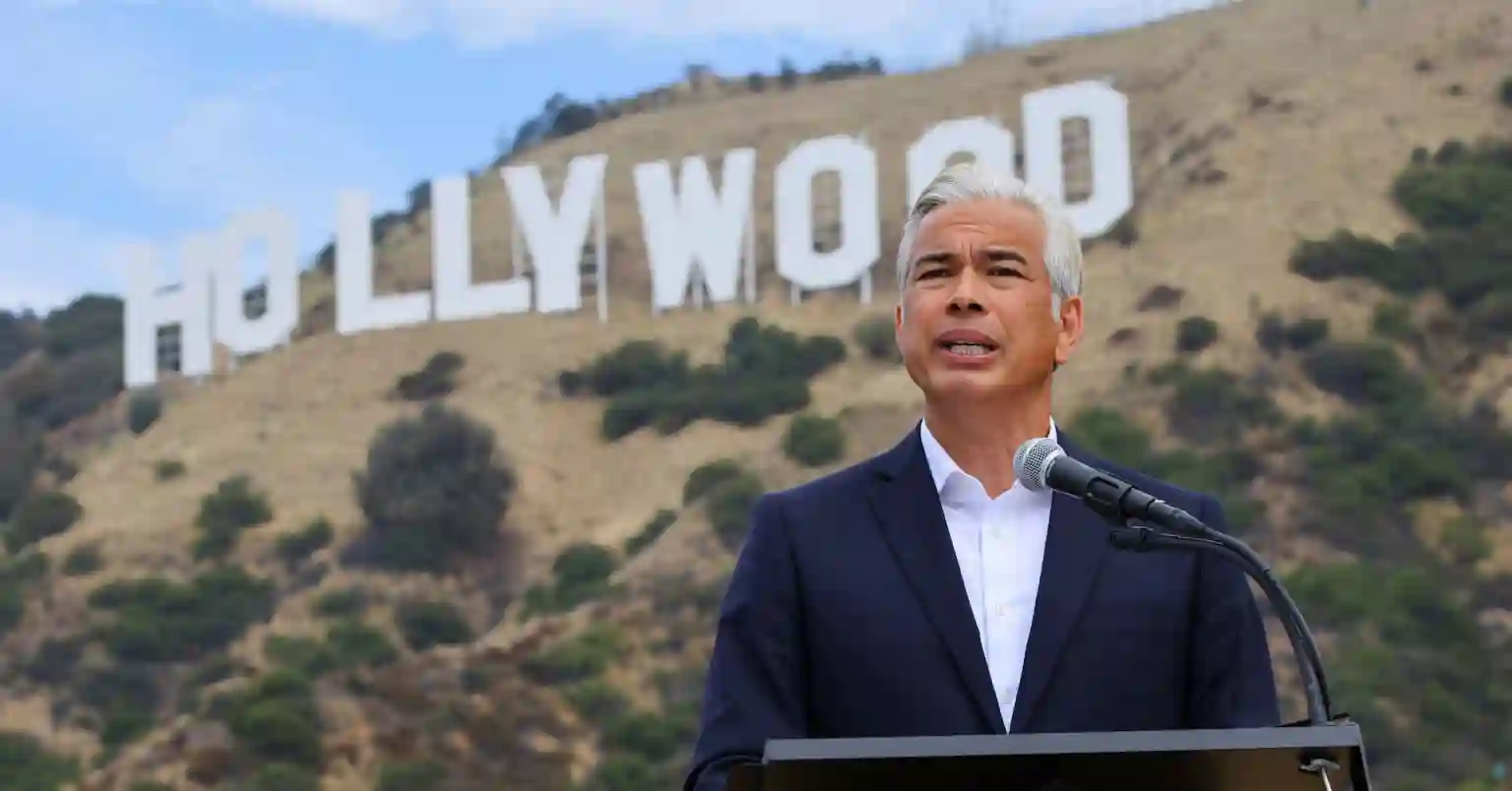
A sweeping $81 billion merger between two of Hollywood’s most iconic studios has hit a significant legal roadblock. On Monday, a federal judge ordered Paramount and Warner Bros. Discovery to pause their combination for at least two weeks, a victory for twelve states seeking to block what would be one of the largest media consolidations in American history. California is leading the coalition of states that argue the deal threatens competition and consumer choice in an already concentrated entertainment industry.
The temporary halt gives state attorneys general crucial additional time to present their antitrust case in court. Legal experts suggest this judicial intervention signals that concerns about media consolidation are being taken seriously at the highest levels of the federal judiciary. If allowed to proceed, the merger would create a content behemoth controlling vast libraries of film and television properties, streaming platforms, and production facilities. Warner Bros. Discovery already owns HBO, CNN, and the Discovery Channel networks, while Paramount controls CBS, MTV, Nickelodeon, and the Paramount Pictures film studio.

State officials challenging the merger have raised alarms about potential impacts on everything from subscription prices to the diversity of voices in American media. Consumer advocates argue that mega mergers in the entertainment sector have historically led to higher streaming costs and reduced options for viewers. The consolidation wave that has reshaped Hollywood over the past decade has left just a handful of companies controlling the vast majority of content Americans consume daily. Streaming services have proliferated even as the corporate owners behind them have shrunk to an ever smaller circle of industry titans.
Financial analysts had viewed the Paramount Warner combination as a defensive move in an increasingly challenging media landscape. Traditional media companies face mounting pressure from tech giants like Apple and Amazon, which have poured billions into content production while leveraging their existing subscriber bases. Industry observers note that standalone legacy media companies have struggled to compete with the scale and financial resources of Silicon Valley entrants. Yet regulators and state officials appear unconvinced that bigger necessarily means better for consumers or competition.
The judicial pause comes amid renewed scrutiny of corporate consolidation across multiple industries. Antitrust enforcement has intensified in recent years, with both federal and state authorities taking harder looks at mergers that might have sailed through approval processes in previous decades. Media deals face particular scrutiny given concerns about the concentration of information sources and cultural influence. Attorneys general from states across the political spectrum have found common ground in questioning whether allowing further consolidation serves the public interest.
What happens during the next two weeks could determine the fate of not just this particular deal but the future structure of American media. Both companies are expected to mount vigorous defenses of their combination, arguing that scale is necessary for survival in a transformed entertainment landscape. State prosecutors, meanwhile, will work to demonstrate that consumers and competition would suffer irreparable harm. If the temporary restraining order is extended or the states ultimately prevail, it would mark a watershed moment in efforts to check the growing power of media conglomerates. Either way, the outcome will reverberate through boardrooms and regulatory agencies as other companies recalibrate their own merger ambitions in light of this heightened legal resistance.
You May Like




















Leave a comment