


Volunteer animal caregivers in Ceuta, Spain’s North African enclave, are raising alarms about the disappearance of cat colonies and discovery of mutilated animal remains in the weeks following a massive cross-border migration from Morocco. Nearly three weeks after tens of thousands of migrants entered the territory, local volunteers who maintain daily feeding routines for feral animals report severe disruption to elished cat populations and disturbing findings of animal carcasses.
One volunteer administrator identified as Merelo described finding numerous deceased cats with what appeared to be deliberate injuries, some missing body parts or showing signs of being pierced. She also discovered partially consumed pigeons and seagulls, though she emphasized she had not witnessed anyone in the act of consuming the animals. Merelo explained that cats naturally fled their habitats when the influx occurred, a typical behavioral response to territorial disruption in any natural environment.
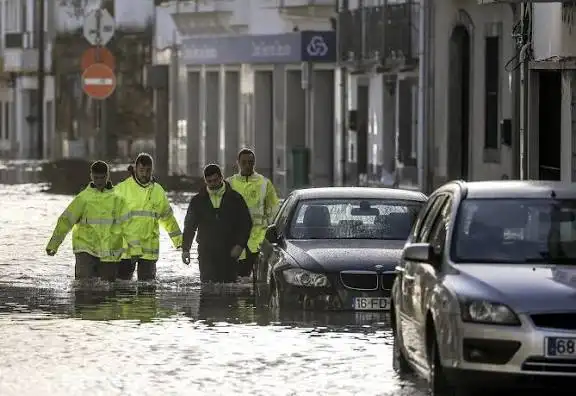
Particularly affected areas include the vicinity of the desalination plant, which caregivers describe as having become uninhabitable for the territorial felines following occupation by migrant populations. Author Ángel Ruiz, writing in solidarity with volunteer caregivers, characterized the damage to cat colonies as both extensive and, in many instances, irreparable. Volunteers summarized the situation bluntly, stating that cats are definitively missing from their traditional territories, with their current whereabouts unknown.
The situation presents complex questions about wildlife management, resource scarcity, and cultural practices during humanitarian crises. As authorities continue managing the migration situation, animal welfare organizations will likely seek coordinated interventions to protect remaining animal populations while addressing the underlying factors contributing to these disturbances.






















Leave a comment