

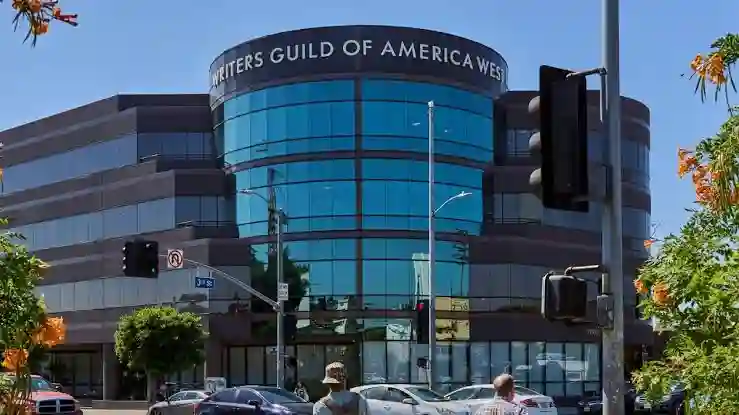
The Writers Guild of America has launched a federal antitrust lawsuit aimed at stopping what would be one of the largest media consolidations in history, a proposed $110 billion merger combining Paramount, Skydance, and Warner Bros Discovery. Union leadership argues that the unprecedented deal violates federal competition laws and would create a monopolistic buyer with dangerous leverage over creative talent across the entertainment industry.
At the heart of the legal challenge lies concern about the concentration of market power in an industry already dominated by a shrinking number of major studios. The merger would unite three significant entertainment entities under one corporate umbrella, giving the combined company control over vast libraries of intellectual property, production facilities, and distribution channels spanning film, television, and streaming platforms. For writers who negotiate contracts and residuals, such consolidation threatens to eliminate competition for their services and suppress compensation across the board.

Federal antitrust law exists precisely to prevent such concentrations of economic power, according to legal experts who have followed the case. The Sherman Act and Clayton Act elish clear boundaries against mergers that substantially lessen competition or tend to create a monopoly. Union attorneys contend that combining these entertainment giants crosses that threshold, pointing to the merged entity’s potential control over greenlight decisions, employment opportunities, and creative output across multiple platforms and genres.
Labor unions have increasingly turned to antitrust litigation as consolidation accelerates across media and technology sectors. Previous mega mergers in the entertainment space, including Disney’s acquisition of 21st Century Fox assets and the formation of Warner Bros Discovery itself, have already reduced the number of major buyers for creative content. Writers and other below the line talent have watched their negotiating power erode as fewer companies control more of the market, leading to what union leaders describe as a crisis in fair compensation and working conditions.
Industry analysts note that the lawsuit arrives at a particularly volatile moment for Hollywood, still recovering from the dual strikes of 2023 and grappling with the ongoing transformation of the streaming economy. Studios have aggressively pursued consolidation as a strategy to compete with technology giants like Apple and Amazon, arguing that scale provides necessary leverage in content negotiations and subscriber acquisition. Yet critics counter that such mergers primarily benefit shareholders and executives while leaving creative workers with fewer options and diminished bargaining power.
The outcome of this legal battle will likely shape the entertainment landscape for decades to come, setting precedents for how aggressively federal regulators and courts will police media consolidation. Should the Writers Guild prevail, the decision could embolden other unions and advocacy groups to challenge similar deals and potentially force a reevaluation of previously approved mergers. Conversely, if the merger proceeds despite union opposition, it may accelerate further consolidation as remaining independent studios seek scale to survive. Federal courts will now weigh whether protecting competition and worker interests outweighs corporate arguments for operational efficiency in an industry undergoing fundamental transformation.
You May Like





















Leave a comment