

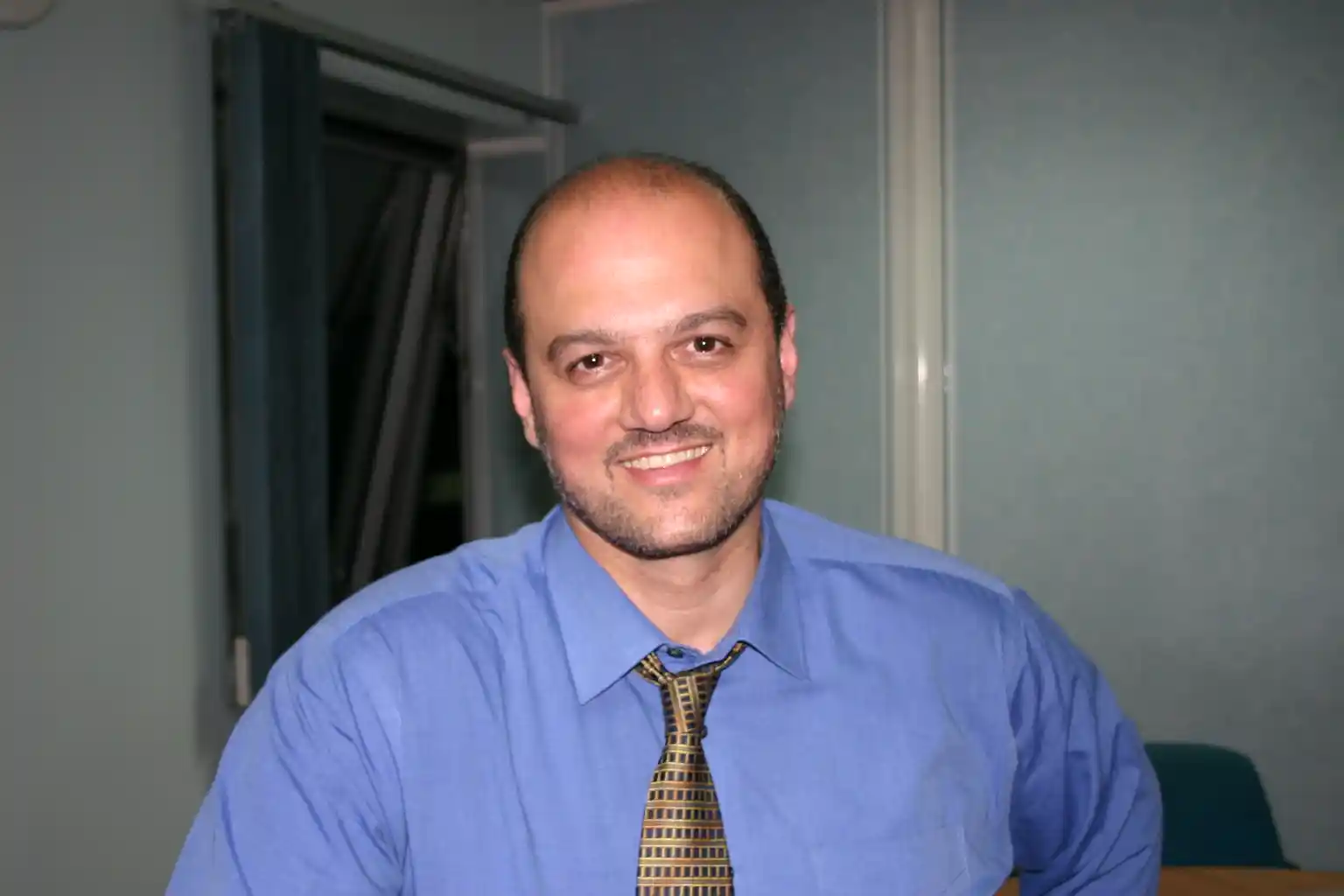
Anas Altikriti, chief executive of the Cordoba Foundation, found himself suddenly stripped of his bank account by HSBC in 2014 after three decades as a customer, raising troubling questions about financial discrimination against politically active Muslims in Britain. The bank provided no explanation beyond stating his account fell outside their risk appetite, a decision that extended to his wife Malath Shakir and two teenage sons. Altikriti described the loss as comparable to having electricity or running water cut off in the modern world.
The Cordoba Foundation disputes the notion of an inevitable clash of civilizations between Islam and the West, a position favored by other Western think tanks. Altikriti’s banking troubles were not isolated incidents. Finsbury Park Mosque in north London and other Islamic institutions experienced similar account closures during the same period, suggesting a pattern of targeting politically engaged Muslim organizations.

Investigation revealed that major global banks rely on World Check, a confidential database owned by Thomson Reuters, to assess customer risk in the post 9/11 era. When the story was first reported to the Daily Telegraph, the newspaper declined publication, though years later they ran extensive front page coverage when far right politician Nigel Farage faced comparable banking restrictions with NatWest.
The differential treatment highlights broader concerns about how British financial institutions handle customers based on political affiliations and religious backgrounds. Questions remain about the relationship between these banking decisions and Britain’s diplomatic alliance with the UAE, particularly regarding terrorism designations that may influence institutional risk assessments.











Leave a comment