

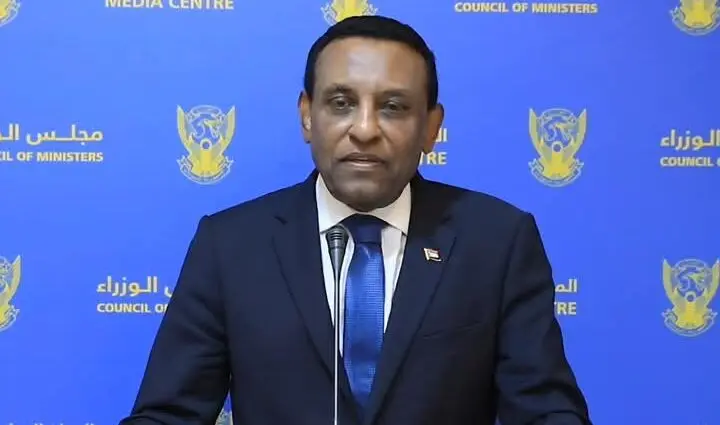
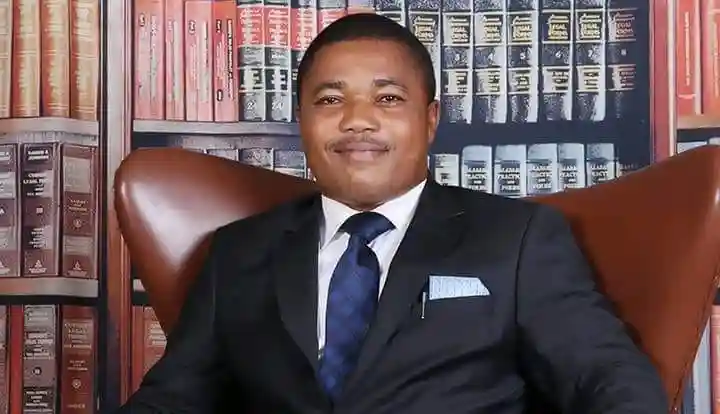
Sudanese Prime Minister Kamil Idris has announced that a comprehensive national dialogue will begin soon, marking a potentially pivotal moment for a country ravaged by over three years of devastating civil conflict. Speaking during a high level meeting with African Union officials in Khartoum on Sunday, Idris outlined an ambitious roadmap that would culminate in free and fair elections, allowing Sudanese citizens to choose their own leadership after years of military rule and brutal warfare.
The dialogue process, which Idris emphasized will be owned by all Sudanese people, aims to achieve what he described as comprehensive national recovery, full reconciliation, and integrated constitutional reconstruction. During his meeting with the African Union Peace and Security Council delegation led by Algeria’s Mohamed Khaled, the prime minister presented a vision of Sudanese led political transformation that explicitly rejects foreign interference. Idris made clear that the government maintains firm red lines, including refusing to treat the national armed forces and the paramilitary Rapid Support Forces as equivalent entities in any negotiation framework.
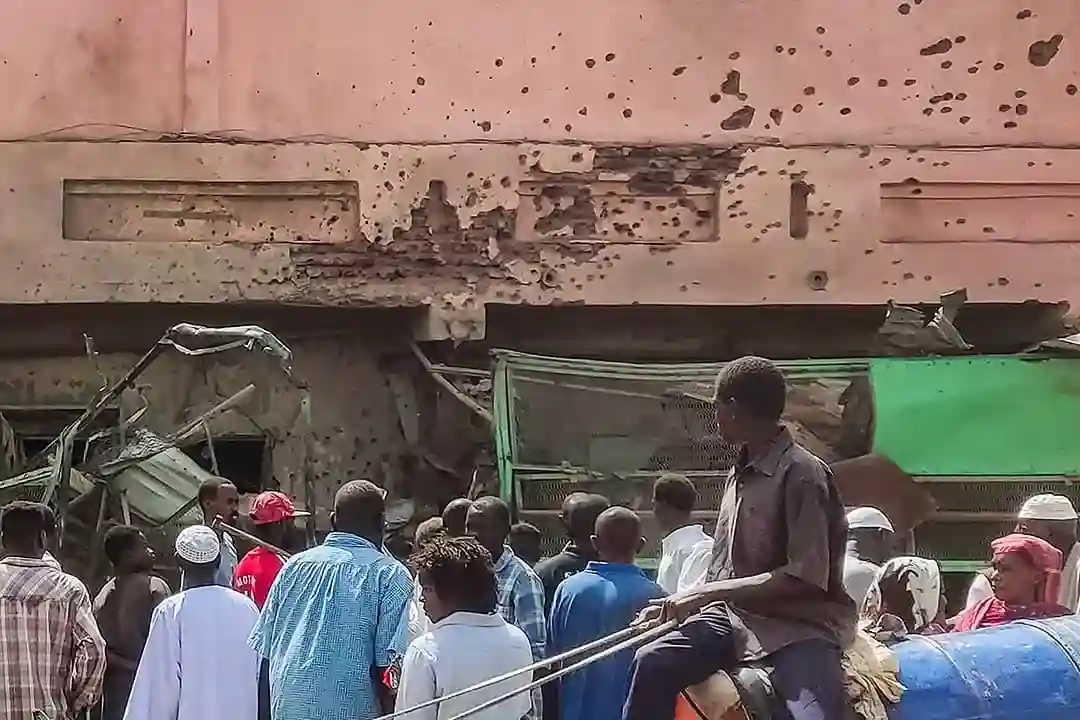
Sudan has been torn apart by conflict since April 2023, when fighting erupted between the regular army and the RSF over contentious plans to integrate the paramilitary organization into the national military structure. What began as a power struggle in the capital has metastasized into a humanitarian catastrophe of staggering proportions. United Nations estimates indicate that tens of thousands have been ed, while approximately 13 million people, nearly a third of the country’s population, have been displaced from their homes. The scale of suffering has prompted urgent appeals from international humanitarian organizations and repeated calls for ceasefire from global powers.
Idris used the meeting to detail ongoing military operations, stating that Sudanese forces are advancing in the Kordofan region and will subsequently move toward Darfur with the stated goal of liberating the entire country from RSF control. He also referenced a peace initiative that the Sudanese government submitted to the UN Security Council in December 2025, which calls for the RSF to withdraw from occupied territories and enter integration and demobilization procedures. The prime minister expressed hope that the African Union would support efforts to officially designate the RSF as a terrorist organization, a move that would significantly alter the international legal landscape surrounding the conflict.
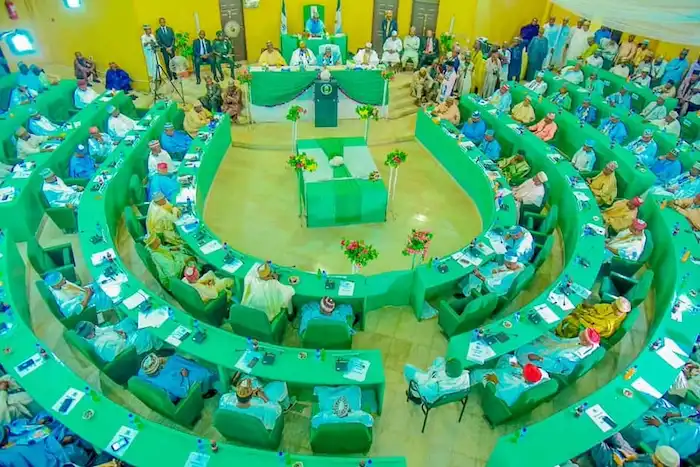
Mohamed Khaled, representing the African Union Peace and Security Council, affirmed the continental body’s solidarity with Sudan and reiterated its commitment to core principles of sovereignty, territorial integrity, and non interference in member states’ internal affairs. The meeting comes just days after Sudan’s Sovereignty Council Chairman Abdel Fattah Al Burhan announced that the government would provide logistical support along with legal, political, and security guarantees for an inclusive dialogue process led by an independent national mechanism. These guarantees are seen as critical for ensuring that opposition groups and civil society organizations feel safe enough to participate in meaningful negotiations.
Whether this dialogue process can succeed where previous attempts have failed remains an open question that will shape Sudan’s future for decades to come. International observers note that genuine reconciliation will require addressing deep grievances that predate the current conflict, including regional inequalities, ethnic tensions, and the legacy of authoritarian rule. Success would not only end one of the world’s most severe humanitarian crises but could also elish a model for democratic transition in a region where military coups and prolonged conflicts have become distressingly common. As Sudanese families continue to endure displacement, food insecurity, and violence, the stakes could not be higher for a nation searching for a path back from the brink.








Leave a comment