
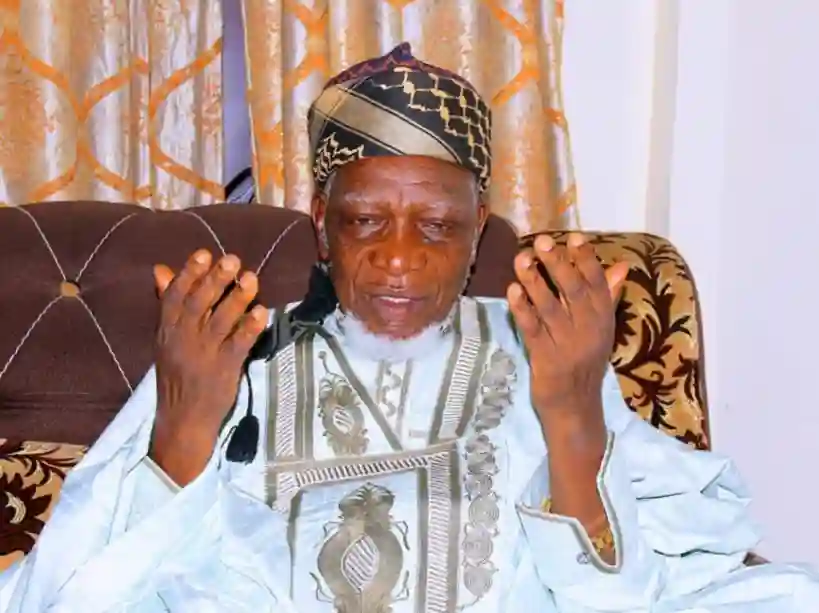

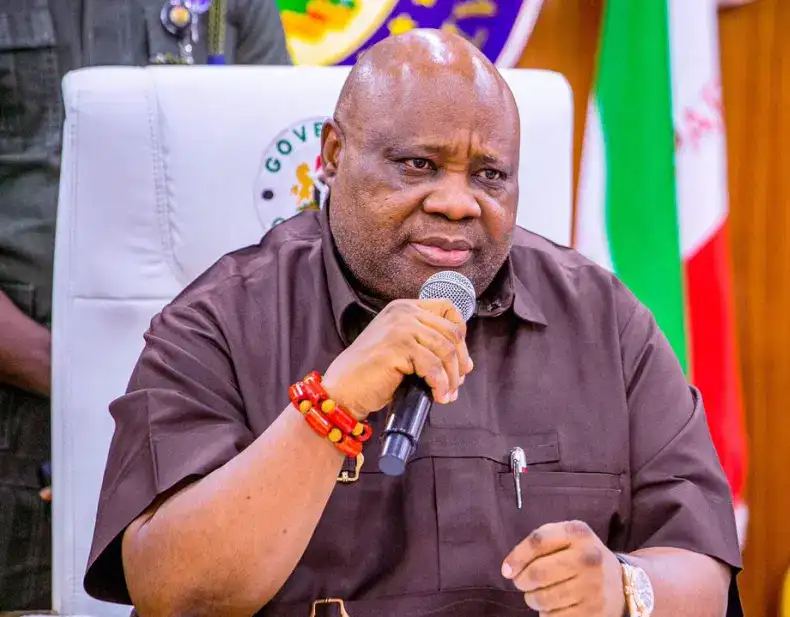
A firestorm of controversy has engulfed Nigeria following incendiary remarks by prominent Islamic cleric Sheikh Yahya Jingir, who publicly advocated for exclusive Muslim political leadership and claimed Muslims constitute a majority of the country’s population. Speaking at an event in Kano attended by several state governors from the ruling All Progressives Congress, including Kano’s Abba Yusuf and Jigawa’s Umar Namadi, the cleric’s sermon has drawn sharp condemnation from across the political spectrum. A video of his remarks, which went viral over the weekend, has reignited long simmering debates about the role of religion in Nigerian politics and the delicate balance required to govern Africa’s most populous nation.
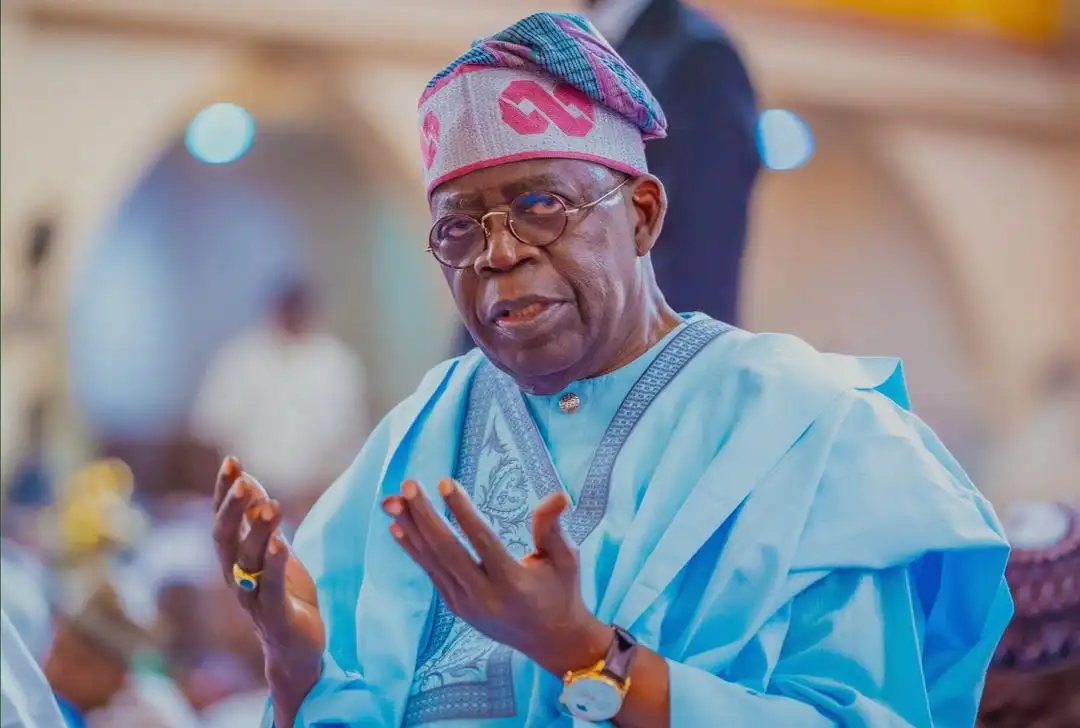
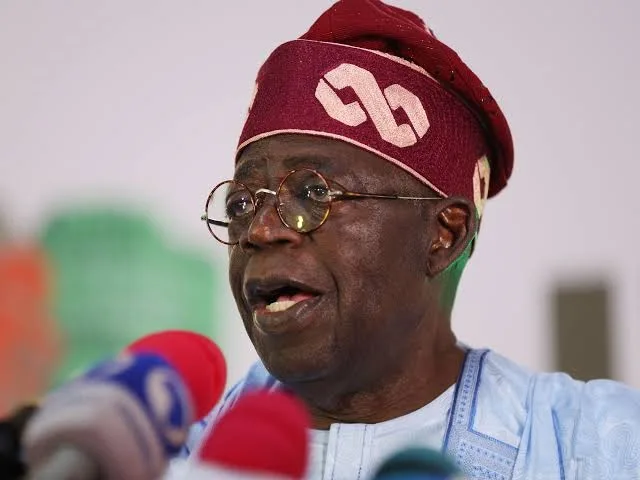
During his address, Sheikh Jingir praised President Bola Tinubu for what he described as raising the flag of a purely Muslim coalition through the controversial Muslim Muslim presidential ticket that brought Tinubu to power. The cleric went further, taking credit for the electoral defeat of opponents who challenged this arrangement, stating that his stance proved Muslims were more numerous than their critics. His declaration that his vote would only go to Muslim candidates, followed by a direct appeal to the Muslim community to follow suit, has been characterized by critics as dangerously divisive rhetoric that threatens Nigeria’s fragile multi religious fabric.
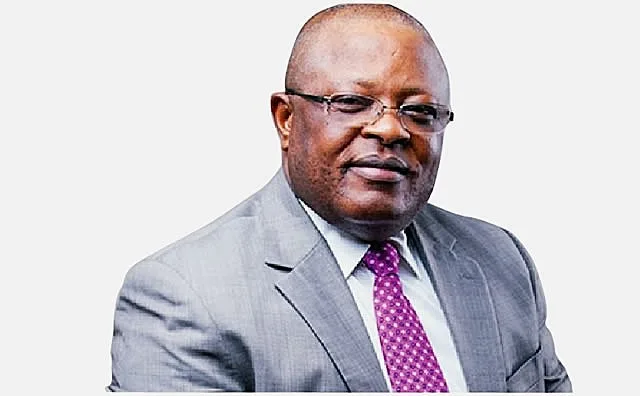
Femi Fani Kayode, Nigeria’s ambassador designate to South Africa and a prominent political voice, was among the first to publicly challenge the cleric’s assertions. While expressing respect for Sheikh Jingir, Fani Kayode described the sermon as highly provocative extremist rhetoric that was both unhelpful and factually incorrect. Writing on social media, he warned that such statements represented a slippery and dangerous slope, emphasizing that Nigeria is constitutionally a secular state rather than a religious one. His intervention reflects broader concerns among political observers that inflammatory religious appeals could deilize an already tense political environment.
Nigeria’s religious composition has long been a matter of debate, with no recent census data providing definitive figures on the Muslim to Christian population ratio. The country’s constitutional framework deliberately avoids elishing a state religion, recognizing the necessity of balancing interests across diverse religious and ethnic communities. Previous attempts to inject overt religious preferences into political campaigns have often resulted in heightened tensions, particularly in the religiously mixed Middle Belt region where communities have experienced cycles of sectarian violence. Sheikh Jingir’s remarks touch a particularly sensitive nerve given this history and the approaching 2027 electoral cycle.
What has amplified public anger is the apparent silence from the presidency regarding the cleric’s statements. Many Nigerians have expressed shock that no official condemnation or distancing has been issued from the government, particularly given that the remarks occurred at an event attended by ruling party governors. Critics argue that this silence could be interpreted as tacit endorsement, potentially emboldening similar sectarian appeals as political parties begin positioning for the next election. Religious leaders from both Muslim and Christian communities who advocate for interfaith harmony have privately expressed concern that such rhetoric, left unchallenged, could normalize divisive campaign strategies.
As Nigeria moves c to another electoral season, Sheikh Jingir’s controversial sermon serves as a stark reminder of how easily religious fault lines can be exploited for political gain. Whether government officials will address these remarks directly, and how religious and civil society organizations respond in the coming weeks, may well set the tone for political discourse in the months ahead. For a nation already grappling with security challenges, economic hardship, and regional tensions, the last thing Nigeria needs is the weaponization of faith. How political leaders navigate this moment could determine whether the country moves toward greater unity or edges c to the dangerous divisions that have torn other multi religious societies apart.






Leave a comment