

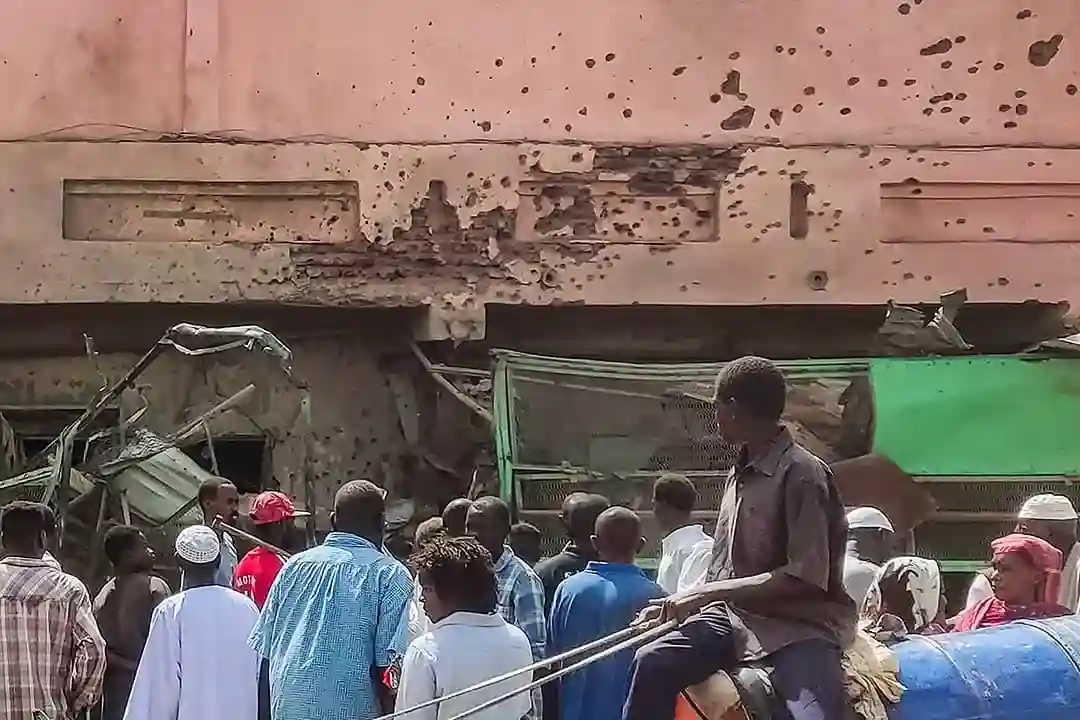
While diplomatic efforts concentrate on conflicts from Ukraine to the Middle East, Sudan quietly endures what has become the world’s largest humanitarian catastrophe. Since hostilities erupted in 2023, more than 14 million people have been forcibly displaced from their homes, and nearly 34 million now require urgent humanitarian assistance. That staggering figure represents 10 percent of global humanitarian needs, yet the crisis continues to unfold with minimal international attention or intervention.
The civil war began in April 2023 between forces led by Gen. Abdel Fattah al Burhan of the Sudanese Armed Forces and Gen. Mohamed Hamdan Dagalo, known as Hemedti, who commands the paramilitary Rapid Support Forces. The two generals had formed an uneasy alliance after the 2019 overthrow of longtime dictator Omar al Bashir, who ruled Sudan for three decades. Their partnership fractured spectacularly after they jointly staged a coup in 2021 to topple the interim civilian government that briefly held power following Bashir’s fall. What began as a power struggle between former allies has descended into a brutal conflict marked by credible accusations of ethnic cleansing, atrocities against civilians, and the systematic destruction of communities across the country.
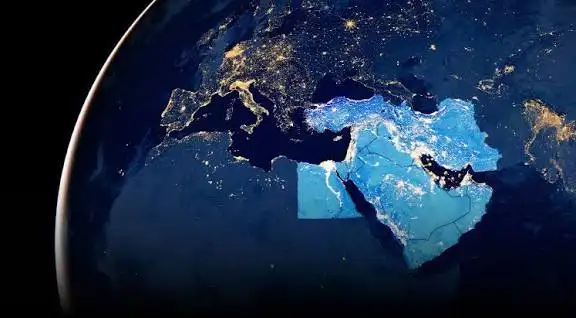
Alan Boswell, Project Director for the Horn of Africa at International Crisis Group, emphasized the international dimensions of the crisis. The war has escalated into a regional conflict involving all of Sudan’s neighbors as well as numerous Middle Eastern powers, yet world leaders continue to delegate the issue to subordinates rather than engage directly. That approach has demonstrably failed to produce results or alleviate suffering on the ground. Recent efforts by the current administration to mediate between Russia and Ukraine, end the war in Gaza, and uphold a fragile ceasefire with Iran have consumed diplomatic bandwidth, leaving Sudan to languish without high level attention.
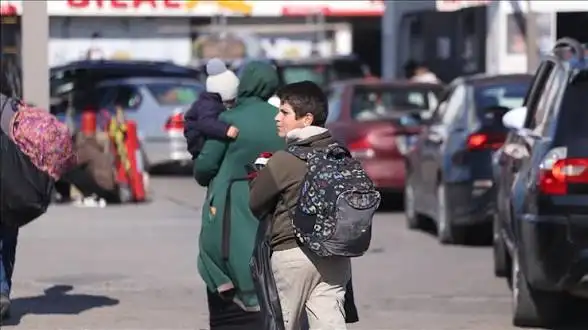
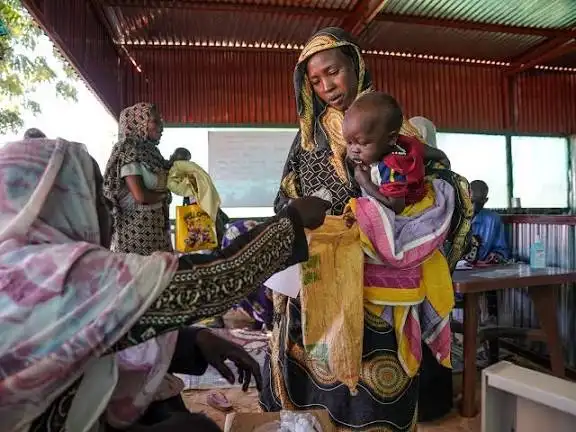
Hunger now stalks approximately 19.5 million Sudanese people who face acute food insecurity, while another 4.5 million have fled across international borders seeking safety and sustenance. Conditions have deteriorated especially rapidly in El Obeid in North Kordofan state, where more than 100,000 displaced people crowd into camps throughout the city. Families queue for hours to receive meager portions of food and water, with children bearing the heaviest burden of malnutrition and disease. Abdallah Alwardat, the World Food Programme’s Sudan Country Director, stressed the urgent need to plan for scaling up operations beyond the 100,000 people currently receiving support, though funding and access constraints continue to hamper relief efforts.
Complicating matters further, the United States recently imposed additional sanctions against the Sudanese Armed Forces for allegedly using chemical weapons in 2024, violations that would contravene the Chemical Weapons Convention. Sudanese government officials have denied these allegations. Both sides in the conflict stand accused of committing atrocities, though recent reports have particularly highlighted the brutality of the Rapid Support Forces in areas under their control. International Rescue Committee Country Director Richard Data warned that humanitarian organizations have been sounding alarms about Sudan teetering on the brink of catastrophe for three years, yet those warnings have gone largely unanswered by the international community.
As competing crises demand attention from policymakers and dominate news cycles, Sudan’s suffering risks becoming normalized, another forgotten emergency in a world overwhelmed by conflict. Without sustained diplomatic engagement at the highest levels and a massive influx of humanitarian resources, millions more Sudanese will face starvation, displacement, and violence in the months ahead. Whether world leaders will finally prioritize this catastrophe or continue treating it as a second tier concern may ultimately determine whether Sudan descends further into chaos or finds a path toward peace and recovery.













Leave a comment