
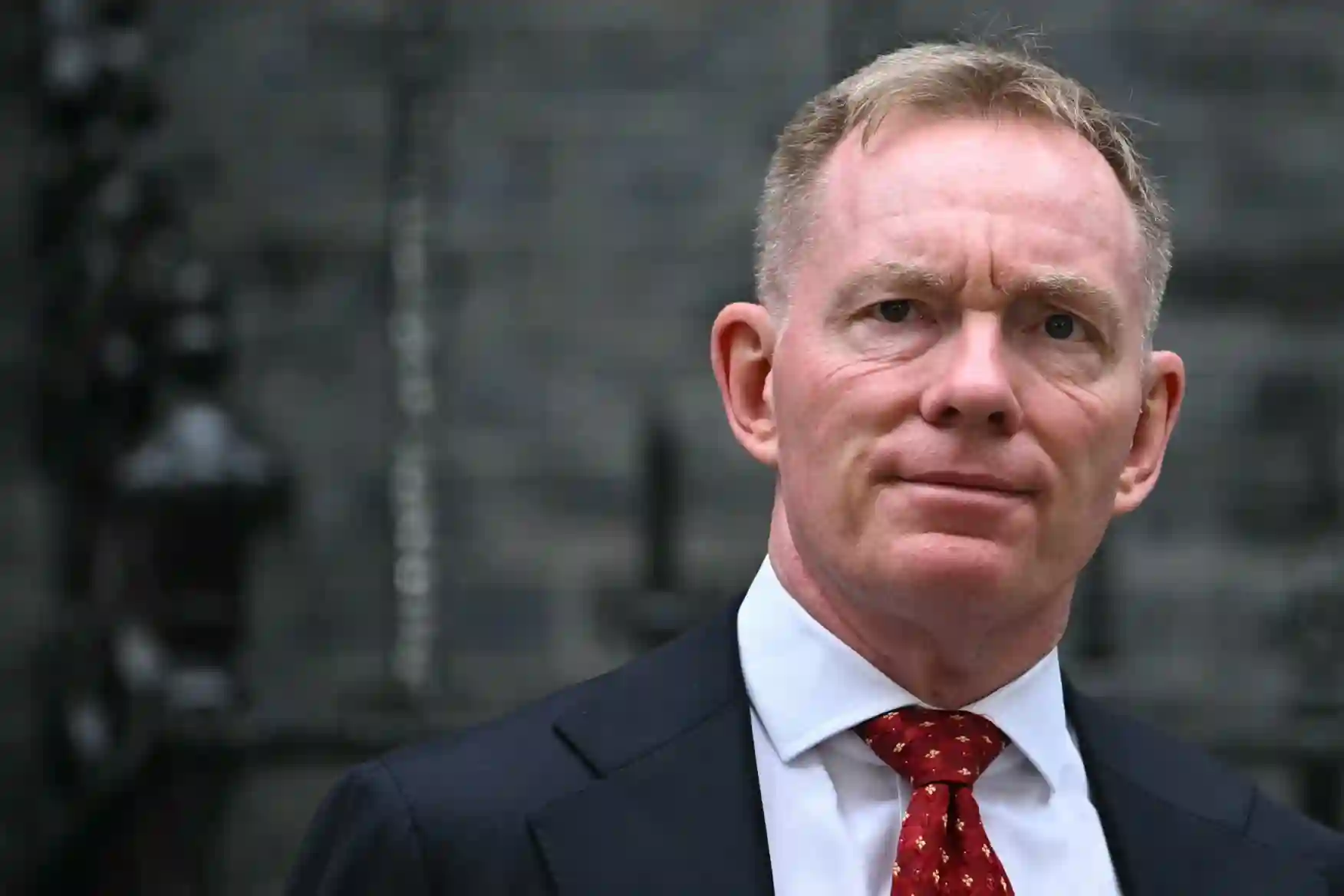

Chris Bryant has been Secretary of State for Northern Ireland for less than a month, yet already finds himself navigating the treacherous waters of a potential executive collapse. Speculation has intensified in recent weeks that Sinn Féin may withdraw from power sharing arrangements at Stormont, following persistent accusations that the Democratic Unionist Party is systematically blocking key elements of the republican party’s legislative agenda. John O’Dowd, the Sinn Féin Minister for Finance, felt compelled to issue clarifications this week, insisting his party harbours no intention of bringing down the executive ahead of next year’s Assembly elections.
Yet the very fact that such speculation has circulated for weeks speaks volumes about the depth of political paralysis gripping Northern Ireland’s devolved institutions. Policy differences between Sinn Féin and the DUP are substantial and well documented, but compromise must form the foundation of any functioning multi party coalition. Stormont’s executive has lurched from crisis to crisis with alarming regularity since the Brexit referendum, precisely because Britain’s departure from the European Union thrust the constitutional question back into sharp focus. What was once background political noise has become the dominant chord.

Every development in Northern Ireland now gets filtered through the lens of a potential border poll. A growing school of thought suggests that elements within the republican movement may calculate that greater political inility strengthens the case for Irish reunification. Conversely, some within unionist circles appear to believe that direct rule from Westminster would reinforce Northern Ireland’s position within the union. Both positions represent a profound disservice to ordinary citizens caught in the crossfire of these constitutional calculations.
Genuine ility and economic prosperity remain elusive while political brinkmanship continues unchecked. Only when Northern Ireland’s economy reaches its full potential can the executive properly address its chronic funding shortages and make meaningful investments in critical areas like healthcare and education. Communities across the region continue to pay the price for political dysfunction, with public services suffering from years of underinvestment and neglect.
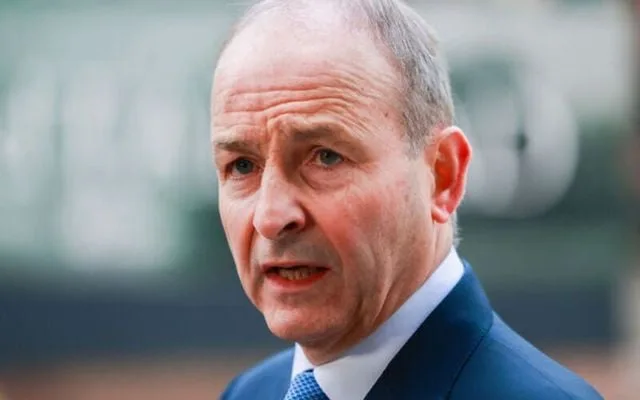
Bryant’s immediate priority, working in close coordination with the Irish Government, must be fundamental reform of the large party veto mechanism. Under current arrangements, the executive automatically collapses if either of the two largest parties withdraws from government. Recent history demonstrates that both Sinn Féin and the DUP have proven far too willing to exercise this nuclear option when political circumstances suit their broader strategic objectives. Such a system incentivises brinkmanship rather than cooperation.
Removing or significantly reforming this veto power represents the single most important step toward ensuring long term ility at Stormont. Without structural ces to the power sharing architecture, Northern Ireland risks remaining trapped in an endless cycle of collapse and resurrection, with each crisis further eroding public confidence in devolved government. Political leaders on all sides must recognise that sustainable governance requires mechanisms that encourage dialogue and compromise rather than rewarding those who threaten to walk away. The coming months will test whether there exists sufficient political will to break free from this damaging pattern.














Leave a comment