

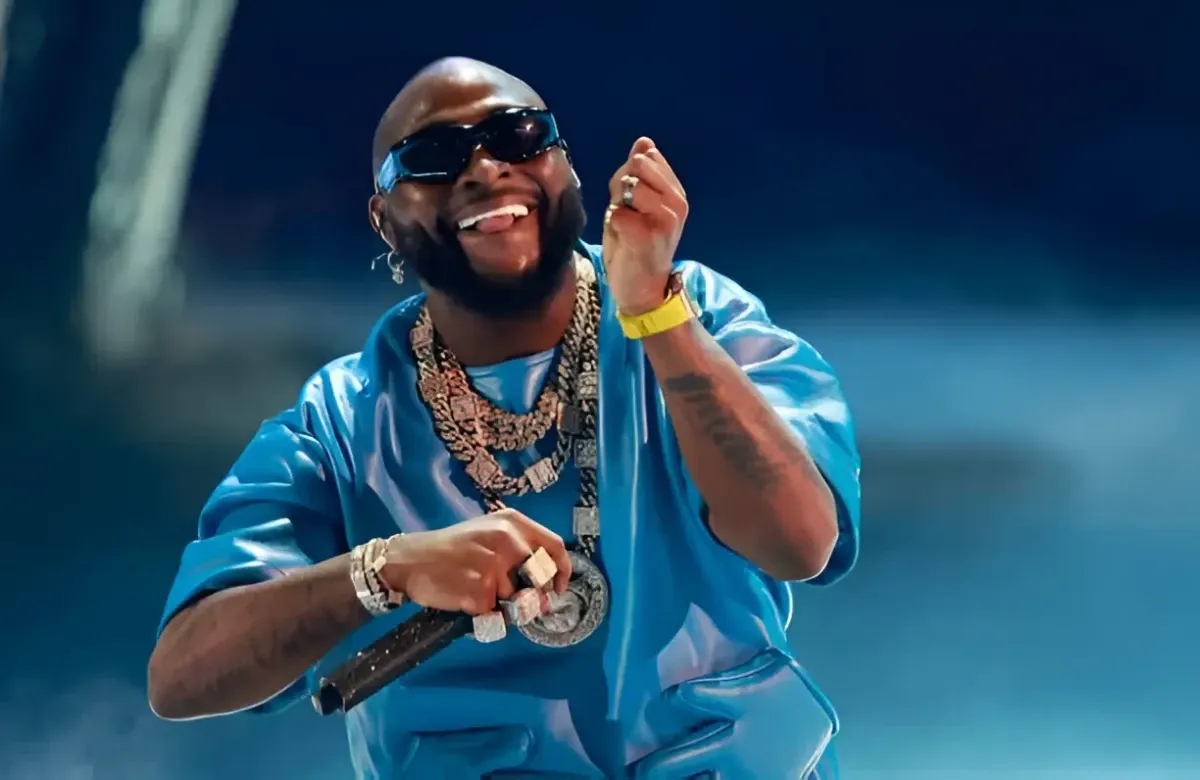
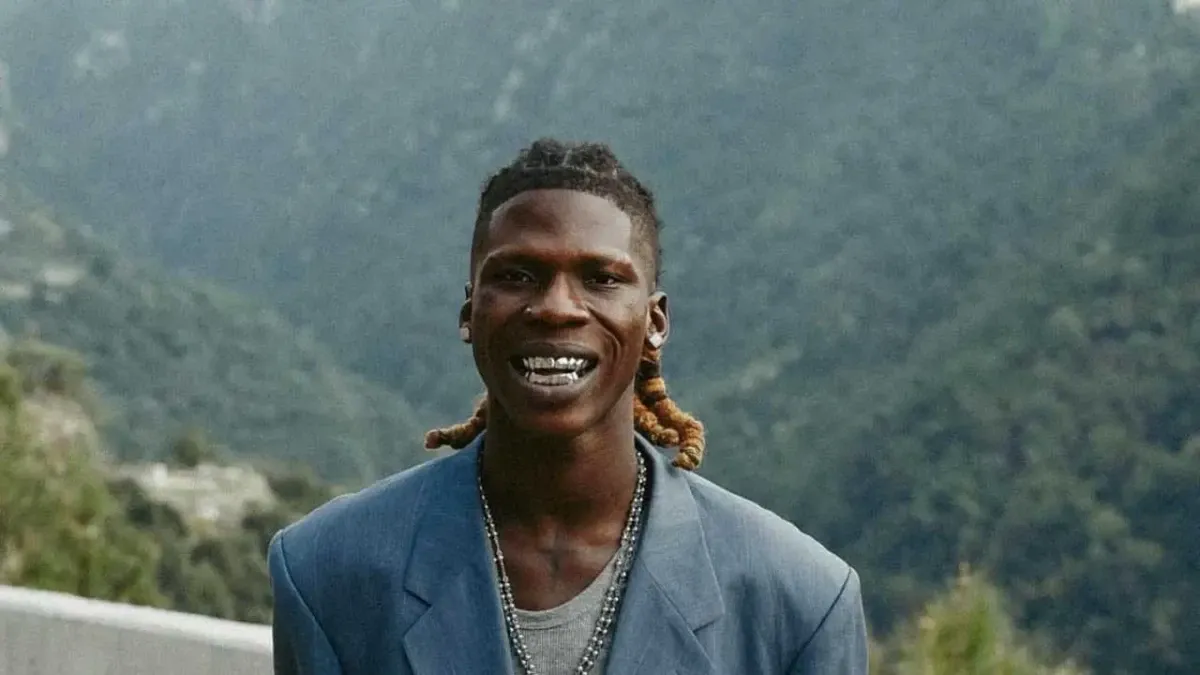
Afrobeat superstar Davido has ignited a fierce public confrontation with Musiliu Akinsanya, popularly known as MC Oluomo, following the National Union of Road Transport Workers president’s rejection of a state government directive. The clash centers on Governor Ademola Adeleke’s controversial decision to ban NURTW operations across Osun State just weeks before the scheduled August 15, 2026 governorship election, bringing the intersection of entertainment, politics and organized labor into sharp focus.
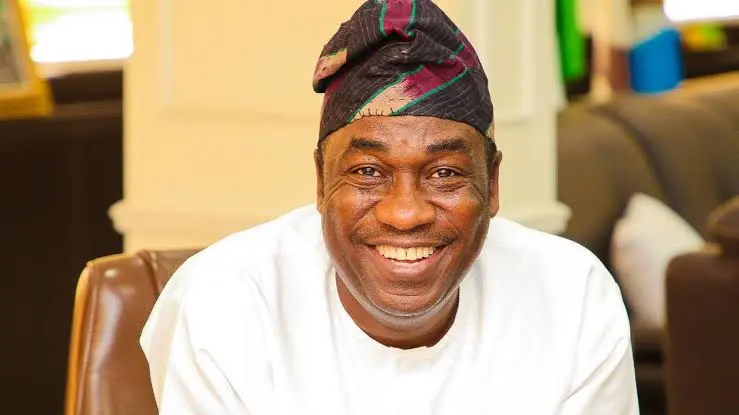
Governor Adeleke, who is Davido’s uncle, issued the directive with the stated aim of restoring order to motor parks and eliminating the collection of unauthorized levies from commercial transport operators. The governor’s administration framed the move as necessary to ensure free and fair electoral processes while curbing what officials described as exploitative practices at transportation hubs throughout the state. However, MC Oluomo swiftly pushed back against the ban, asserting that state governors lack the constitutional authority to regulate or suspend NURTW activities, which he maintains fall under federal jurisdiction and internal union governance.
Davido first took to social media platform X with a mocking post directed at the union leader, writing that MC Oluomo, who he claimed cannot compose proper sentences, should not be speaking on governmental matters. The comment immediately sparked controversy, with numerous social media users questioning whether the Grammy nominated artist was in a position to critique anyone’s educational credentials or communication abilities. Critics pointed out the irony of the musician’s own informal writing style while ing another public figure’s command of language.
Undeterred by the backlash, Davido escalated his criticism on Monday evening through his Instagram story, directly tagging MC Oluomo and alleging the union boss was involved in political thuggery targeting Governor Adeleke’s administration. The artist wrote pointedly, asking whether reports of MC Oluomo’s involvement in deilizing activities were true, while expressing skepticism and suggesting the union leader should engage in self reflection. The public nature of these accusations has drawn attention to longstanding allegations about the role of transport unions in political violence and electoral manipulation across Nigeria.
Davido’s involvement in this confrontation is not merely that of a celebrity observer. In April of this year, Governor Adeleke appointed his nephew as the youth campaign leader for his reelection bid, giving the internationally recognized musician an official political role. This appointment places Davido at the center of the gubernatorial campaign strategy, particularly efforts to mobilize young voters who comprise a significant portion of the state’s electorate. His willingness to publicly challenge MC Oluomo signals the campaign’s strategy of confronting what it views as threats to the governor’s reelection prospects.
Beyond the personal rivalry, this dispute highlights deeper structural issues within Nigerian politics, where transport unions have historically wielded considerable influence over both commerce and electoral processes. Motor parks serve as critical organizational nodes for political mobilization, and union leaders often function as power brokers who can deliver votes or disrupt opposition campaigns. MC Oluomo himself has been a controversial figure, with his critics alleging ties to political violence while his supporters portray him as a defender of workers’ interests against government overreach.
As Osun State moves c to its August gubernatorial election, this public confrontation may be just the opening salvo in a broader battle for control of the political landscape. Whether Governor Adeleke’s ban on NURTW operations will withstand legal challenges remains uncertain, as does the question of how transport workers and their leaders will respond if the directive is enforced. With Davido now serving as a prominent surrogate for his uncle’s campaign, observers expect the artist to continue leveraging his massive social media following to shape public opinion ahead of the polls, potentially transforming celebrity influence into electoral advantage in one of Nigeria’s most closely watched political contests.




Leave a comment