

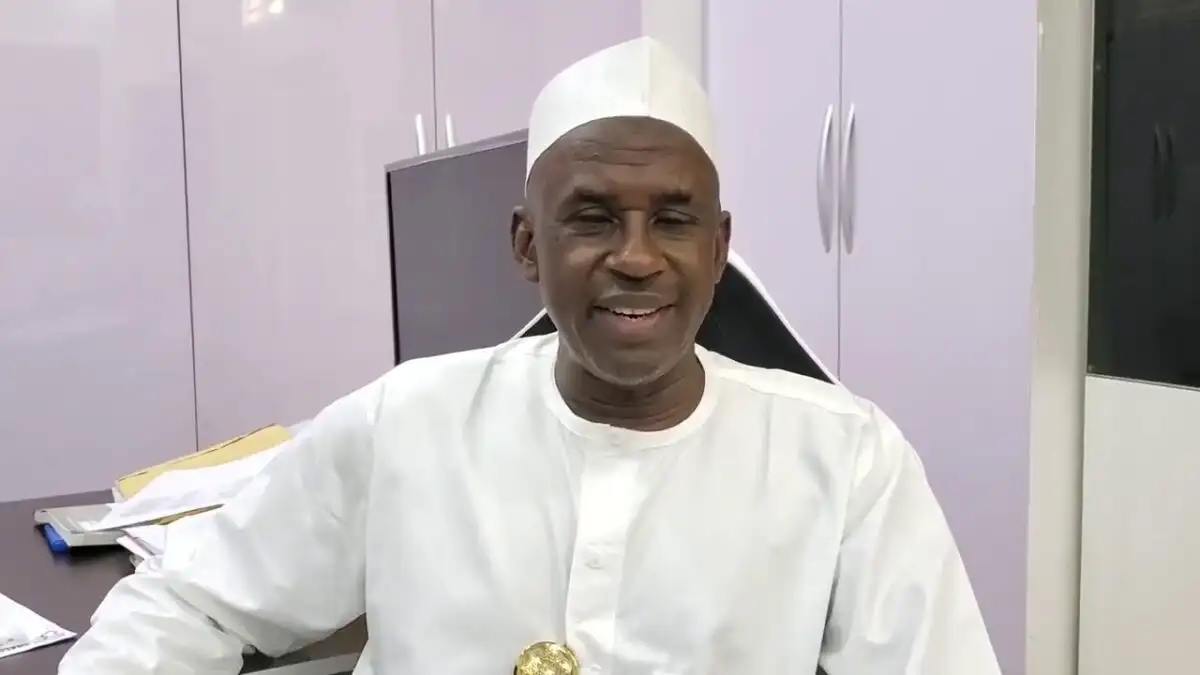
Growing desperation among Nigerian politicians is threatening the foundations of the country’s democracy, according to public affairs commentator Mahdi Shehu, who has raised alarm over the conduct and aftermath of recently concluded party primary elections. In a scathing assessment shared on social media platform X on Saturday, Shehu painted a troubling picture of a political class still grappling with basic democratic principles despite more than two decades of uninterrupted civilian rule.
At the heart of Shehu’s concerns is what he describes as a disturbing lack of transparency surrounding the primary elections. Although political parties have officially concluded their candidate selection processes, many have yet to release final lists of nominees, creating an atmosphere of suion and uncertainty. Shehu characterized the secretive handling of these lists as resembling activity in a casino room rather than the transparent processes expected in a mature democracy. The delays have sparked widespread disputes and rejections among party members, revealing deep fissures within political organizations across the country.
Perhaps most striking is Shehu’s observation that after 25 uninterrupted years of democratic governance, Nigerian politicians continue to struggle with fundamental aspects of democratic practice. The reactions trailing the primaries, he argues, demonstrate a political elishment still learning the ropes of competitive elections, coalition building, and graceful acceptance of electoral outcomes. This learning curve, stretching across a quarter century, raises questions about the depth of democratic culture in Africa’s most populous nation.
The commentator also highlighted what he termed an extreme desperation for power at all costs, evidenced by the behavior of politicians who have lost out in the primary contests. Some are switching allegiances with remarkable speed, moving from one political party to another in search of what Shehu called cheap tickets to contest elections. In a particularly pointed observation, he noted that politicians are now joining parties they once publicly demonized, abandoning previously held principles in pursuit of electoral opportunities. Former rivals are forming unlikely alliances driven purely by convenience and the desire for power rather than shared ideology or vision.
Such political gymnastics, while not entirely new to Nigerian politics, appear to be intensifying as the general elections draw c. Shehu warned that these strange bedfellows and opportunistic realignments reflect a political culture where personal ambition trumps party loyalty, policy coherence, or genuine commitment to democratic values. The willingness to jettison stated positions and embrace former adversaries suggests a transactional approach to politics that prioritizes winning at any cost over building sustainable democratic institutions.
Looking ahead, Shehu cautioned that the full consequences of the current political developments will become clearer as Nigeria moves through the electoral cycle. He predicted that realities will manifest before, during, and after the general elections, warning that democracy itself is in visible danger given the dangerous desperation on display. While the ultimate impact on the country’s political landscape remains to be seen, the commentator’s warnings underscore broader concerns about democratic consolidation in Nigeria. Whether political actors will heed calls for greater restraint and respect for democratic norms, or whether the desperation will intensify as election day approaches, remains one of the defining questions facing Africa’s largest democracy.














Leave a comment