



Nigeria’s First Lady, Senator Oluremi Tinubu, has launched an ambitious regional food security program designed to provide sustained nutritional support to the country’s most vulnerable citizens, including young children and expectant mothers. Speaking at the June 12 Cultural Centre in Abeokuta, Ogun State, on Tuesday, Senator Tinubu inaugurated the South West Zonal National Community Food Bank and called on state governors across the region to elish similar facilities in partnership with federal health agencies. The initiative represents a significant expansion of national efforts to combat malnutrition and food insecurity among disadvantaged households.
Senator Tinubu emphasized that the community food bank program specifically targets children under six years of age, pregnant women, and lactating mothers, populations identified as particularly susceptible to nutritional deficiencies. She described the program as a deliberate and sustainable response to food insecurity, stressing that its ultimate objective was to ensure every Nigerian child receives adequate nourishment and a healthy foundation for future development. The First Lady urged governors throughout the South West to collaborate with the National Primary Health Care Development Agency to facilitate the supply of food items and provide the operational support necessary to sustain these community based initiatives.

Clarifying the operational structure of the program, Senator Tinubu explained the critical distinction between a food bank and a food hub, noting that food banks are specifically designed to serve disadvantaged and vulnerable persons with services provided entirely free of charge. She advocated for locating these facilities close to Primary Healthcare Centres to maximize accessibility for vulnerable families who may already be accessing maternal and child health services. State governments are expected to take ownership of the facilities, with the Federal Government’s vision extending well beyond the elishment of the initial pilot food banks launched across the country.
Governor Dapo Abiodun, who hosted the event, aligned the food bank initiative with broader development priorities shared between the Federal Government and Ogun State. He framed the program within the context of President Bola Ahmed Tinubu’s Renewed Hope Agenda, which prioritizes food security, improved healthcare, social protection, and human capital development. The governor argued that development loses its moral value when economic growth rises while the basic needs of citizens remain unmet, stressing that the true measure of government effectiveness lies not in the number of projects commissioned but in the number of lives positively transformed.
During the same visit, Senator Tinubu commissioned two major infrastructure projects in Ogun State: the Gateway Medical Centre of Excellence and the President Muhammadu Buhari Estate. Both facilities represent tangible manifestations of what Governor Abiodun described as his administration’s Building Our Future Together agenda, which is founded on the belief that government must create an environment where citizens can live with dignity, access essential services, and face the future with confidence. The governor emphasized that hospitals become useful when they save lives and houses fulfill their purpose when they shelter families, underscoring the people centered philosophy driving these investments.
Governor Abiodun further noted that integrating food banks within Primary Healthcare Centres would enable government to identify vulnerable households more effectively and provide targeted support to children at risk of malnutrition and to pregnant and nursing mothers. This co-location strategy leverages existing health infrastructure and creates synergies between nutritional support and preventive healthcare services. Senator Tinubu commended the governor for his commitment to citizen welfare and development, citing the newly commissioned facilities as examples of projects that directly impact the quality of life for ordinary Nigerians.
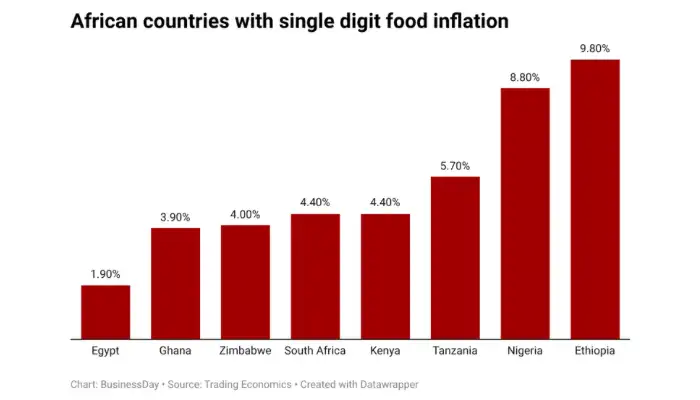
As Nigeria continues to grapple with food inflation and supply chain challenges affecting millions of households, the expansion of community food banks across the South West region could serve as a critical safety net for vulnerable populations. Success of the pilot program in Ogun State will likely determine the pace and scope of replication across other states in the region and potentially throughout the country. With state governments now challenged to take ownership and sustain these facilities, the coming months will test whether the initiative can deliver on its promise of ensuring sustained access to nutritious food for those who need it most.





















Leave a comment