

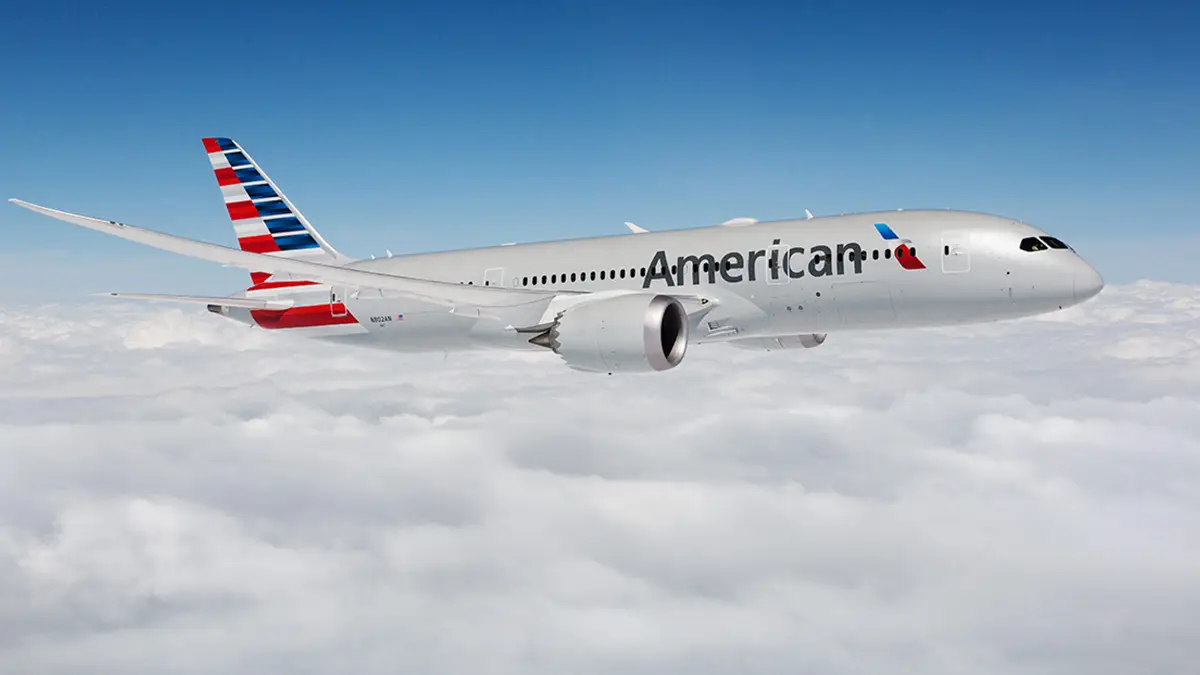

American Airlines Group is making a dramatic U-turn on a controversial cost-cutting strategy from a decade ago, announcing plans to restore seatback entertainment screens across its entire narrowbody fleet beginning in 2028. The reversal marks a significant shift in the carrier’s competitive strategy as it battles Delta Air Lines and United Airlines Holdings for the lucrative premium travel market that has become the cornerstone of airline profitability in recent years.
Starting in 2028, every new Airbus and Boeing aircraft delivered to American Airlines will come equipped with seatback screens, while the carrier will simultaneously retrofit its existing narrowbody jets to include the entertainment displays. The comprehensive overhaul represents a complete departure from the airline’s previous Project Oasis initiative, which stripped seatback entertainment from narrowbody aircraft around 2016 on the premise that passengers would rely on their own smartphones and tablets for in-flight entertainment. Project Oasis also increased cabin density and reduced lavatory sizes in a bid to maximize revenue per flight.
Beyond entertainment screens, American Airlines is undertaking a wholesale reconfiguration of its narrowbody cabin layouts to dramatically increase premium seating options. The carrier plans to boost premium seats, including first class and extra legroom economy options, from the current 25 percent of available seats to 40 percent across its narrowbody fleet. The aggressive expansion of premium real estate reflects a fundamental recognition that high-paying business travelers and affluent leisure customers have emerged as the most reliable profit drivers in the aviation industry.
The strategic pivot comes as American Airlines has struggled to match the financial performance of its two major rivals, Delta and United, both of which have successfully cultivated premium customer bases and commanded higher revenues per available seat mile. Industry analysts have long pointed to American’s relative weakness in premium offerings as a key factor in its profitability gap compared to competitors. While Delta and United invested heavily in premium cabin experiences and customer amenities over the past several years, American focused on operational efficiency and cost reduction, a strategy that appears to have reached its limits.

Complementing the hardware upgrades, American Airlines announced investments in enhanced premium dining options designed to rival the elevated meal service offered by competitors in business and first class cabins. The carrier will also equip aircraft with Starlink satellite internet connectivity, providing passengers with high-speed wifi access that has become an increasingly expected amenity among business travelers and digital nomads. These combined improvements signal American’s recognition that premium travelers now expect a comprehensive suite of amenities rather than isolated upgrades.
The multibillion dollar investment in cabin retrofits and new amenities represents a calculated bet that premium revenue growth will more than offset the reduced overall seat count resulting from the cabin reconfiguration. As airlines worldwide continue to see strong demand from premium travelers even as economy bookings fluctuate with economic conditions, American’s strategy aligns with broader industry trends favoring quality over quantity. Whether this ambitious transformation will allow American to close the profitability gap with Delta and United remains an open question, but the scope of the ces demonstrates how seriously the carrier is taking the competitive threat in the premium market segment.




















Leave a comment