

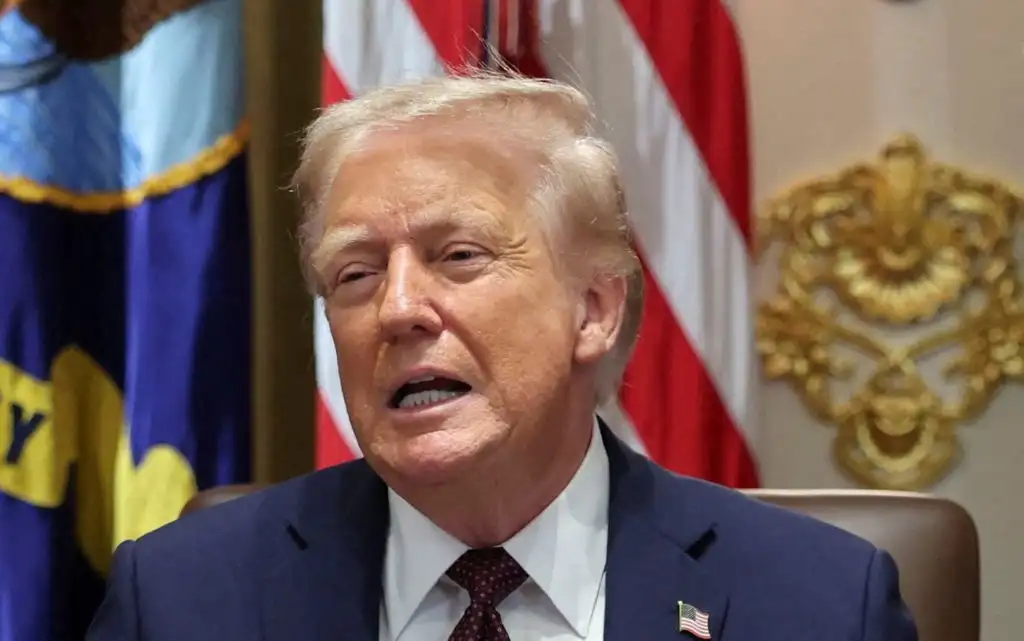

Donald Trump suffered another significant legal setback as the Supreme Court declined for a second time to reconsider his appeal seeking to overturn a $5.6 million jury award to writer E. Jean Carroll. The decision leaves intact a 2023 civil verdict that found the former president liable for defamation and ual abuse, marking yet another failed attempt by Trump to escape accountability through the nation’s highest court.
The case stems from allegations Carroll made public in 2019, when she accused Trump of ually assaulting her in a Manhattan department store dressing room during the mid 1990s. Trump’s public denials and disparaging comments about Carroll prompted her to file a defamation lawsuit, which eventually led to a civil trial in federal court. A nine member jury deliberated for less than three hours before finding Trump liable on multiple counts, awarding Carroll $5 million initially, a figure that was later adjusted to $5.6 million.
Legal experts have noted that Trump’s repeated attempts to appeal the verdict reflect a broader strategy of exhausting every available legal avenue, even when the likelihood of success appears minimal. The Supreme Court’s latest rejection came without comment, as is customary when the justices decline to hear a case. Such denials do not indicate agreement with lower court rulings but simply reflect the Court’s discretion in selecting which cases merit full consideration.
Carroll’s victory represents one of several civil judgments against Trump that have accumulated as he pursues a return to the White House. The writer has maintained throughout the legal proceedings that her goal was not financial gain but rather vindication and accountability. Her attorneys have praised the jury system and expressed satisfaction that multiple courts, including now the Supreme Court through its denial, have upheld the original verdict.
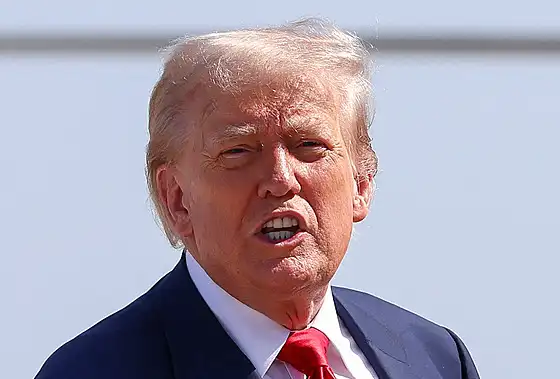
Trump has consistently denied all wrongdoing and characterized the lawsuit as politically motivated, part of what he describes as a broader effort to damage his reputation and derail his political ambitions. Despite these assertions, courts at multiple levels have rejected his legal arguments and allowed the verdict to stand. The former president faces the prospect of actually paying the substantial judgment, though his legal team has explored various mechanisms to delay or contest enforcement.
Looking ahead, Trump’s inability to overturn this verdict through the Supreme Court effectively closes this particular legal chapter, though questions remain about enforcement and payment. Carroll’s legal team may now pursue collection efforts if Trump continues to resist payment, potentially including liens on property or other asset seizures. Beyond the immediate financial implications, the case stands as a landmark moment in holding powerful figures accountable for defamation, and its resolution will likely influence how similar cases proceed in American courts for years to come.















Leave a comment