

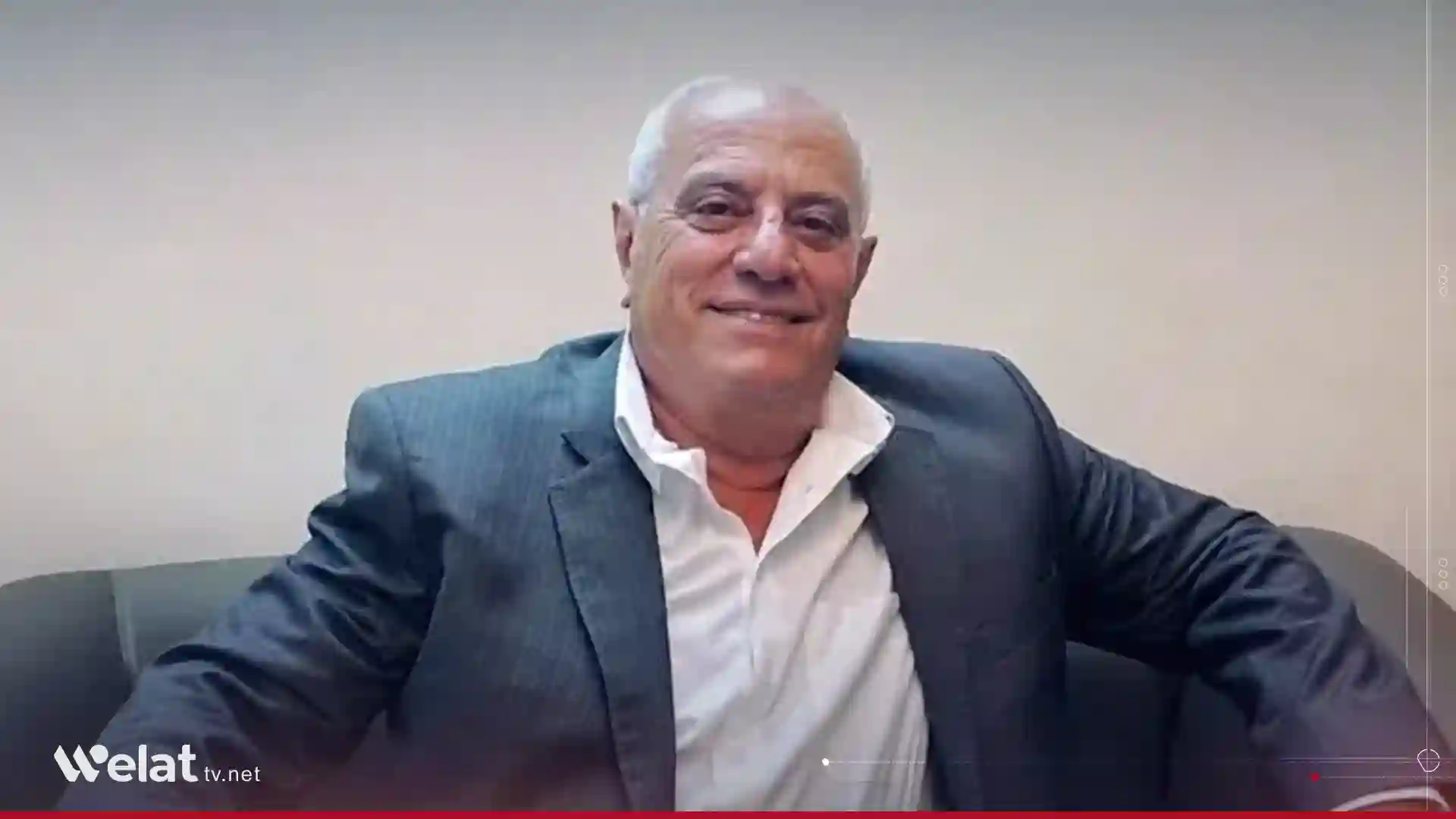

Lebanon’s judicial authorities are preparing to transfer a former senior Syrian military officer to Damascus to face trial for alleged war crimes committed during Syria’s devastating civil conflict, a move that marks a significant milestone in the ongoing pursuit of accountability following the collapse of the Assad regime. Maj. Gen. Adel Issa will become the first military officer handed over by Lebanon since President Bashar Assad’s ouster in late 2024, signaling a new phase in regional efforts to address atrocities committed during more than a decade of brutal warfare.
According to four Lebanese judicial and security officials who spoke on condition of anonymity, Issa was transferred to Syrian authorities Tuesday afternoon by members of Lebanon’s General Security Directorate. The officials indicated that the handover is being conducted in accordance with a 1951 bilateral agreement between Lebanon and Syria that governs the extradition of suspected criminals. Issa had been questioned the previous week by Judge Ahmad Rami Hajj, Lebanon’s public prosecutor at the Court of Cassation, regarding alleged crimes he purportedly committed in Syria’s eastern province of Deir el Zour and the northern province of Raqqa. Specific details about the nature of these alleged crimes have not been publicly disclosed.
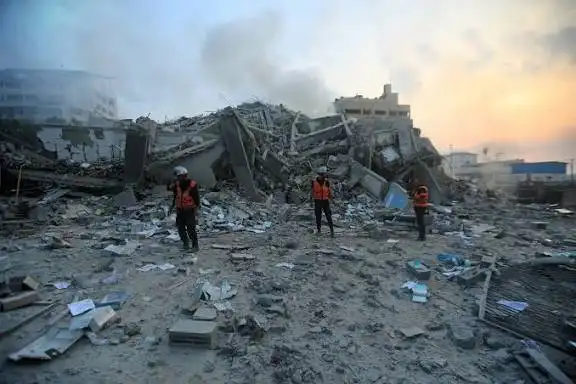
The transfer occurs against the backdrop of dramatic political ces in Syria, where opposition fighters marched into Damascus in December 2024 to end the Assad family’s five decade grip on power. Following that historic transition, numerous military and security officers who had served under Assad fled across the border into Lebanon, where some continue to reside. Meanwhile, dozens of former security officials accused of committing atrocities have been arrested and prosecuted in Syrian courts, as the new government seeks to reckon with decades of repression and violence.
Recent judicial proceedings in Syria have delivered severe verdicts against top Assad regime figures. Just last week, a Syrian court sentenced both Bashar Assad and his younger brother Maher to death in absentia, while their maternal cousin, Brig. Gen. Atef Najib, became the most senior security official to be sentenced to death while in custody. The Assad brothers fled to Russia during the tumultuous final days of the regime, where they remain beyond the reach of Syrian justice. These high profile prosecutions reflect the new Syrian government’s determination to hold accountable those responsible for war crimes and crimes against humanity.
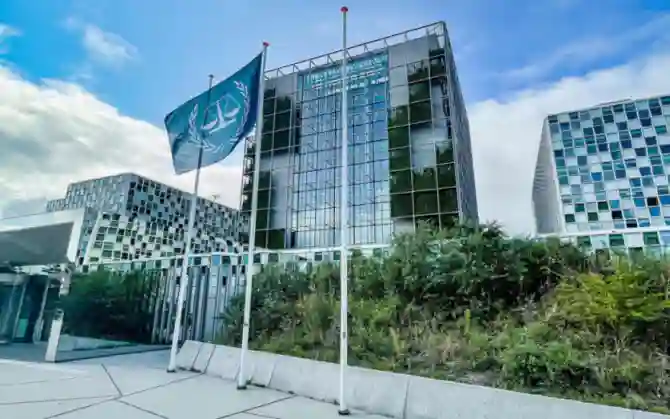
Lebanon’s decision to hand over Issa comes just days after the Lebanese parliament voted to abolish the death penalty, making Lebanon the first Arab country to take such a step. The abolition will become official once the legislation is published in the Lebanese Official Gazette. While this historic domestic reform represents a significant shift in Lebanon’s approach to criminal justice, it does not appear to have influenced the decision to transfer Issa to Syria, where he may face capital punishment if convicted. Lebanese officials emphasized that the extradition is being carried out strictly under the terms of the existing bilateral treaty.
The handover raises complex questions about justice, sovereignty, and the future of accountability mechanisms in the region. Legal experts and human rights observers will be watching closely to see whether Issa receives a fair trial in Syria’s reconstituted judicial system and whether Lebanon continues to cooperate with Damascus on similar cases involving other fugitive officers. As Syria continues its difficult transition from authoritarian rule, the prosecution of former regime officials represents both an opportunity to address historical grievances and a test of whether the new government can deliver justice through legitimate legal processes rather than summary retribution. The coming weeks and months will reveal whether this case sets a precedent for broader regional cooperation on war crimes prosecutions or remains an isolated incident in the complicated relationship between Lebanon and its neighbor.

















Leave a comment