

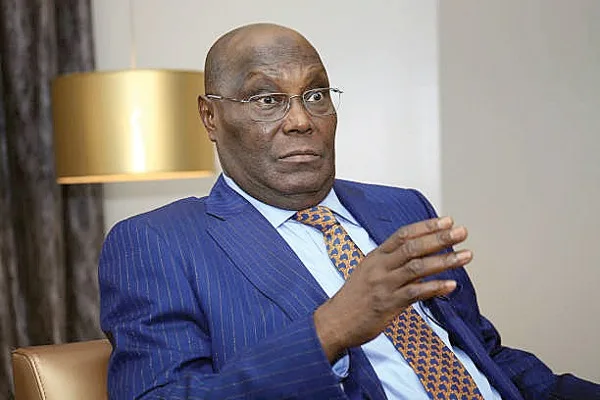
Nigeria’s political landscape has been thrown into turmoil following a Federal High Court order directing the Independent National Electoral Commission to deregister five opposition parties, sparking fierce resistance from senior politicians who insist they will remain on the ballot. Presidential candidate Atiku Abubakar of the African Democratic Congress, party chairman David Mark, and Osun State Governor Ademola Adeleke have expressed outrage over the ruling that threatens to eliminate the ADC, Accord Party, Zenith Labour Party, Allied Peoples Movement, and Action Alliance from future electoral contests. The controversy erupts at a critical juncture as political parties prepare their strategies for upcoming elections, raising fundamental questions about judicial intervention in Nigeria’s democratic processes.
The court order has created immediate uncertainty for thousands of party members and supporters who believed they had viable alternatives to the dominant political formations. Atiku Abubakar, a veteran politician who has contested for Nigeria’s presidency multiple times, finds himself potentially barred from running under his current party banner despite having secured the ADC’s nomination. Governor Adeleke’s position is equally precarious, as the ruling could technically affect his standing despite already holding elected office. Party chairman David Mark, himself a former Senate President with deep political experience, has characterized the decision as an assault on democratic pluralism and has vowed to exhaust all legal remes available.
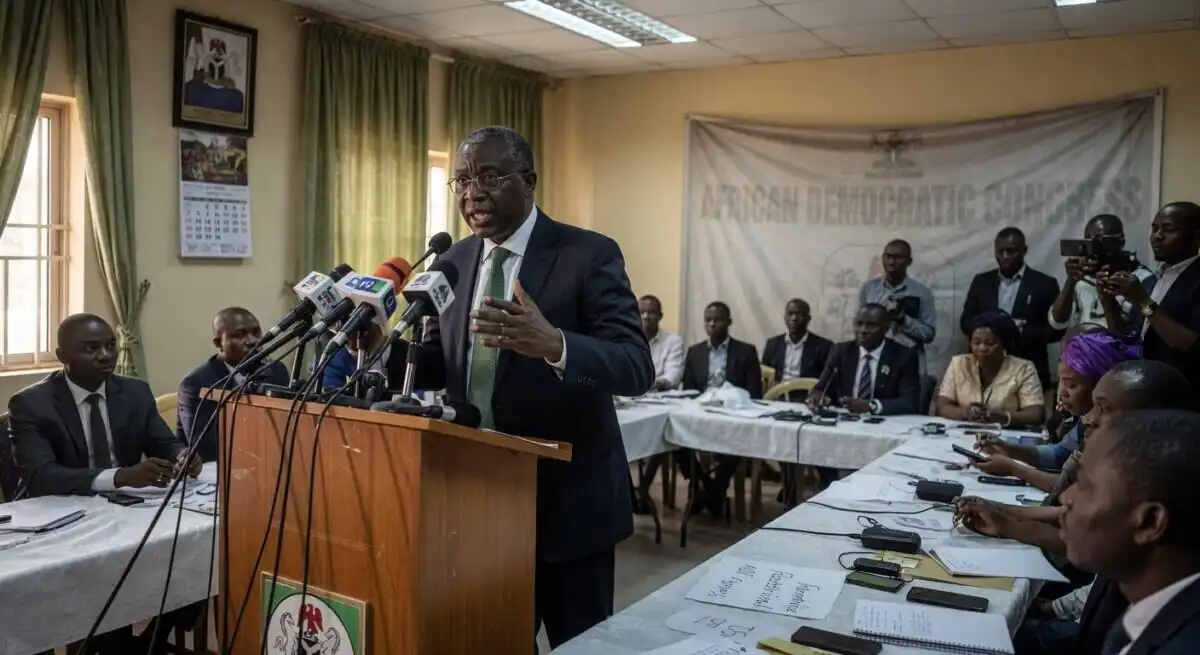
Beyond the immediate political drama, the deregistration order reflects ongoing tensions between Nigeria’s judiciary and its electoral system over the standards political parties must meet to maintain official recognition. INEC has periodically sought to streamline the number of registered parties, arguing that many exist only on paper without genuine organizational structures or popular support. Critics counter that such sweeps disproportionately affect smaller opposition formations while entrenching the advantages of elished parties with greater resources and institutional backing. Legal experts suggest the affected parties will likely seek stays of execution and file appeals, potentially setting up a prolonged constitutional battle over party registration requirements.
In a separate development highlighting Nigeria’s complex political history, former Head of State General Abdulsalami Abubakar has offered fresh explanations for his decision to abandon the transition program initiated by the late General Sani Abacha. His comments provide valuable context for understanding the evolution of Nigeria’s current democratic dispensation and the difficult choices faced by military leaders during the country’s transition from authoritarian rule. Meanwhile, tragic news emerged from Kwara State where a traditional ruler reportedly d while in the custody of kidnappers despite his family’s payment of 18 million naira in ransom, underscoring the persistent security challenges facing communities across Nigeria’s regions.
Opposition parties and civil society organizations have begun mobilizing support against what they perceive as judicial overreach that could fundamentally alter the competitive balance of Nigerian politics. Coalition building among the affected parties appears likely as they seek strength in numbers to challenge the deregistration order. Political analysts note that removing elished parties with sitting governors and presidential candidates would represent an unprecedented disruption to Nigeria’s electoral ecosystem, potentially triggering mass defections to other platforms or the formation of new political vehicles. International observers who monitor Nigeria’s democratic development are watching closely to see whether the courts will ultimately uphold pluralism or narrow the field of political competition.
As legal teams prepare their arguments and party leaders strategize their next moves, the coming weeks will prove decisive for the future composition of Nigeria’s political landscape. Whether INEC proceeds with deregistration or whether appeals courts intervene to preserve the status quo remains uncertain. What seems clear is that major political figures have drawn a line in the sand, insisting their parties and candidacies will survive this challenge. How Nigeria’s institutions resolve this standoff will send powerful signals about the durability of its democratic framework and the extent to which elished political actors can be sidelined through judicial processes rather than the ballot box.
You May Like














Leave a comment