

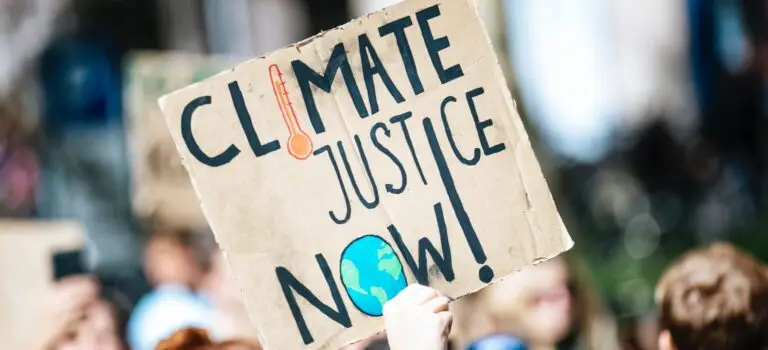
A coordinated assault on the world’s most ambitious climate policy is gathering momentum across the Western political landscape. Scrapping the flagship United Nations net zero commitment, which pledges to eliminate greenhouse gas emissions by 2050, has emerged as the latest rallying cry for populist right movements from Britain to Berlin. What began as fringe skepticism has evolved into mainstream political positioning, threatening to unravel decades of painstaking climate diplomacy precisely when the effects of global warming grow impossible to ignore.
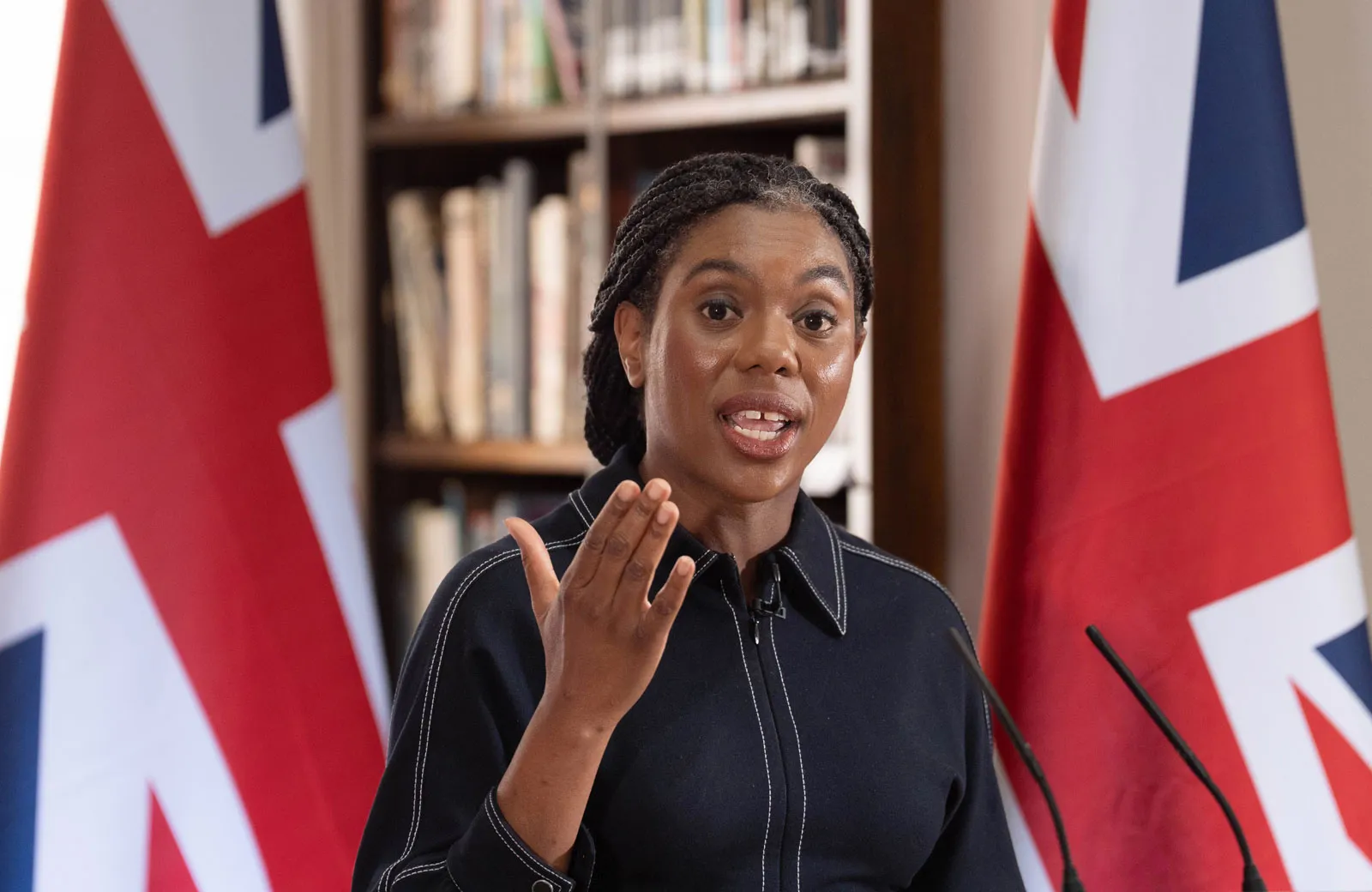
Conservative Party leader Kemi Badenoch has proposed an unprecedented purge of any candidate supporting net zero policies from her ranks ahead of Britain’s next general election. The dramatic move represents a transparent attempt to outflank Nigel Farage’s Reform party, whose leader has spent his entire political career as an implacable opponent of climate action. Farage’s influence on British politics cannot be understated. Brexit, an act of monumental economic self harm, would not have occurred without his relentless campaigning. Should he succeed in undermining Britain’s commitment to carbon neutrality, the consequences promise to be equally devastating.
Badenoch’s position differs from Farage’s outright denialism in one crucial respect. She acknowledges the reality of climate ce while arguing that the economic burden of transitioning away from fossil fuels poses unacceptable risks, particularly for working class communities already struggling with the cost of living. Such reasoning has gained alarming traction across the populist right. Germany’s Alternative für Deutschland and France’s National Rally, both leading opinion polls in their respective nations, have pledged to dismantle net zero commitments. Former American President Donald Trump, who has dismissed climate science entirely, claims European economies are collapsing under the weight of environmental regulations.
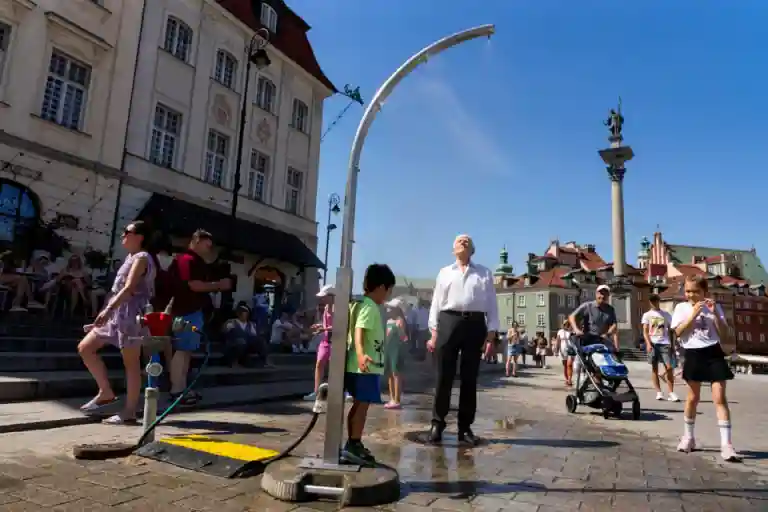
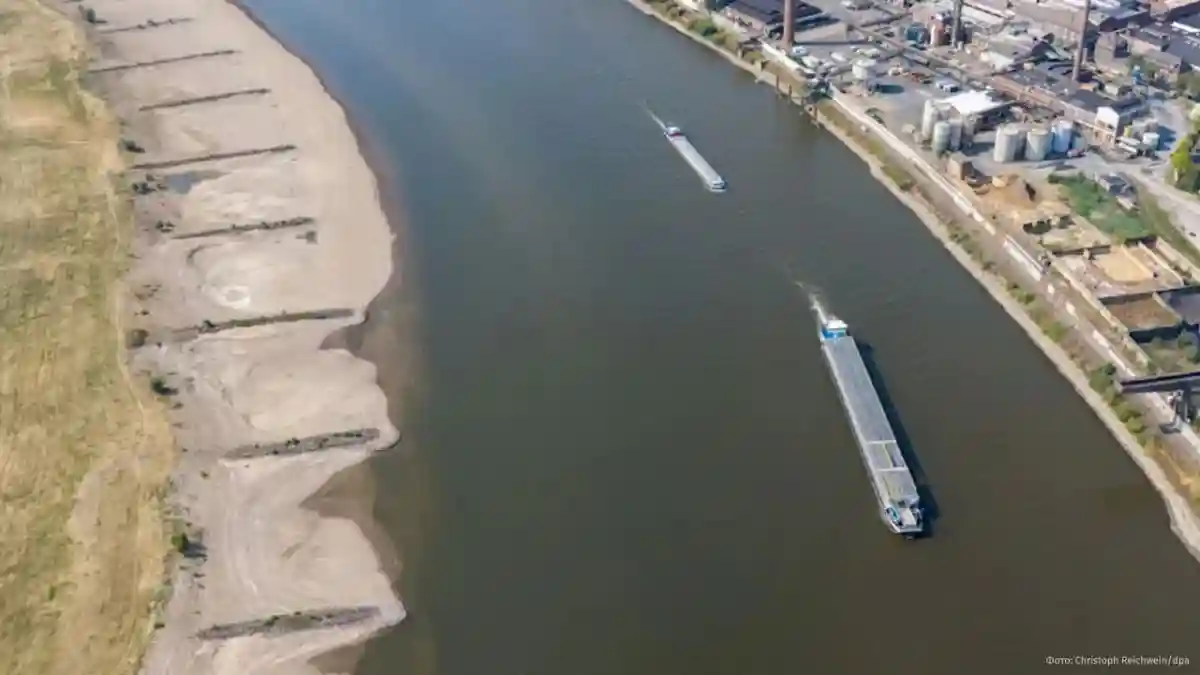
Yet the argument collapses under scrutiny. Europe has indeed witnessed the accelerating effects of climate disruption, experiencing unprecedented heatwaves, devastating floods, and ecological disasters that disproportionately harm the most vulnerable populations. The past two months alone have delivered temperatures that shattered records and strained infrastructure designed for a cooler climate. Economic analyses consistently demonstrate that the costs of inaction dwarf the investments required for a transition to sustainable energy systems. Coastal communities, agricultural regions, and urban centers ill equipped for extreme weather face catastrophic expenses that will only multiply as temperatures continue rising.
Ireland maintains a political consensus around net zero policies among major parties, though the nation remains significantly off track to meet its 2050 targets. Implementing comprehensive climate action requires political courage and sustained public support, both of which grow harder to sustain as populist movements exploit legitimate anxieties about economic transitions. Working families do bear real costs during industrial transformations, and addressing those distributional concerns through targeted support and job creation in green industries represents essential policy work. Abandoning climate targets altogether, however, constitutes a false solution that sacrifices long term survival for short term political advantage.
Climate ce respects no borders and honors no electoral calendars. Every nation must contribute to reducing greenhouse gas emissions if catastrophic warming scenarios are to be avoided. The populist backlash against net zero represents more than misguided policy. It amounts to a dangerous gamble with planetary systems that have already been pushed beyond historical norms. Political leaders genuinely concerned about working class welfare should focus on ensuring green transitions create opportunities rather than casualties. Scrapping the commitment to carbon neutrality offers nothing but the illusion of relief while guaranteeing far graver economic and humanitarian crises in the decades ahead. Resisting this reckless retreat from climate responsibility stands among the most urgent challenges facing democracies today.















Leave a comment