
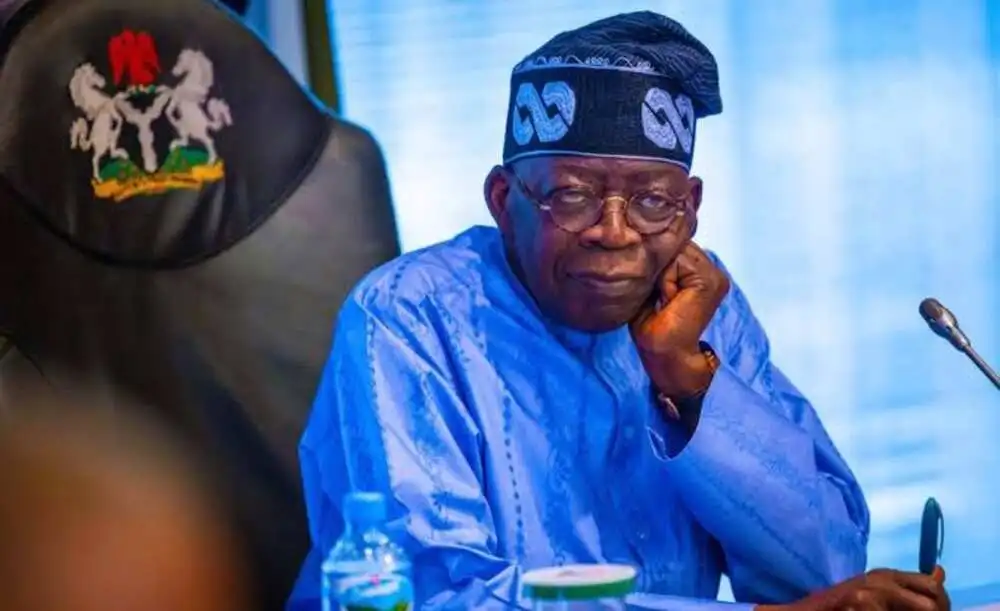

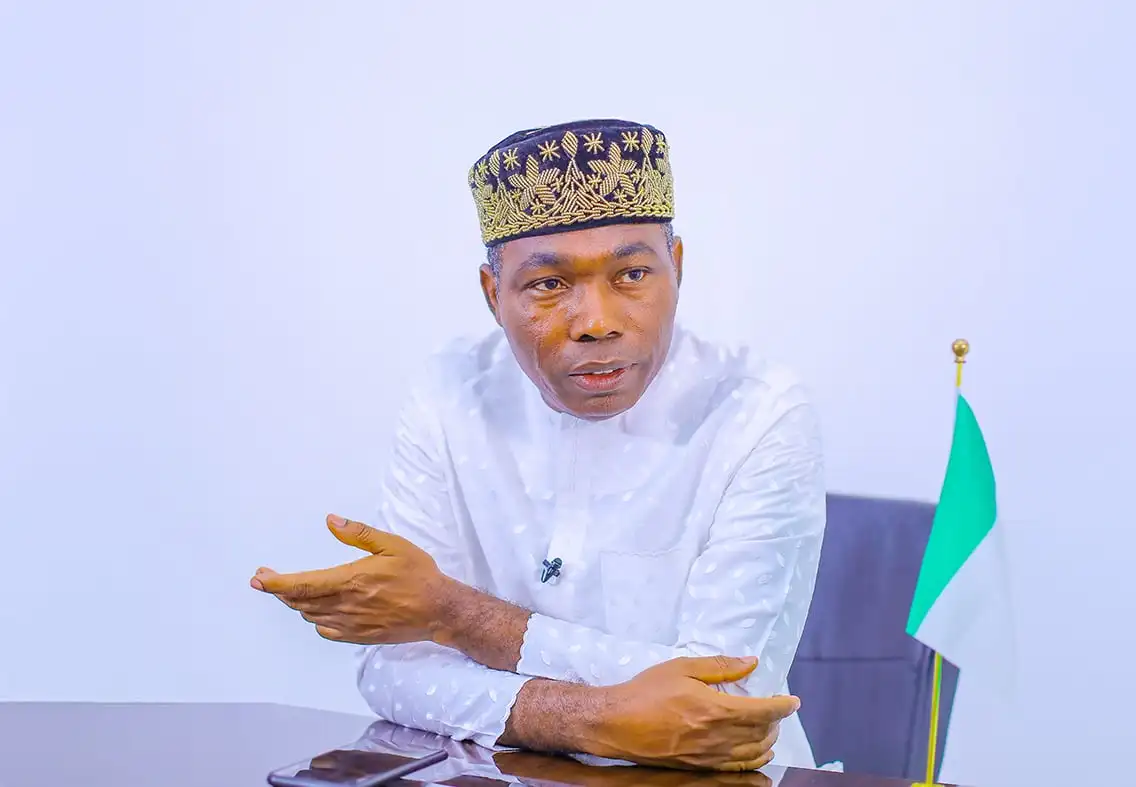
A prominent Nigerian legal practitioner and public affairs analyst has mounted a robust defense of the country’s fiscal transparency record, challenging a recent United States government assessment that painted a dim picture of financial disclosure practices under President Bola Ahmed Tinubu’s administration. John Ude, speaking on Friday, argued that the American evaluation fails to account for verifiable improvements in how Nigeria manages and reports its public finances.
The controversy stems from the US Department of State’s 2026 Fiscal Transparency report, released earlier this week, which delivered a harsh verdict on Nigerian government accountability. According to the assessment, Africa’s most populous nation failed to meet minimum requirements for fiscal transparency for the second consecutive year, with particular criticism directed at what American officials characterized as vague revenue and expenditure disclosures. The report suggested that Nigeria made no significant progress in improving its financial management throughout 2025.

Ude, however, contends that such conclusions represent an incomplete picture of the situation on the ground. He pointed to specific acknowledgments within the very same US report that reveal functioning transparency mechanisms already in place. The American assessment itself noted that Nigeria publishes enacted budgets, end of year financial reports, and comprehensive debt information, all critical components of transparent fiscal governance that the analyst believes deserve greater recognition.
While refusing to claim that Nigeria has achieved perfection in fiscal accountability, Ude adopted a measured tone in his response. He conceded that legitimate gaps remain in the system, particularly regarding procurement disclosure practices, the effectiveness of auditing mechanisms, and occasional delays in publishing certain fiscal documents. These admissions lend credibility to his broader argument that progress, while incomplete, should not be entirely dismissed.

The tension between Nigerian officials and international watchdogs over fiscal transparency reflects broader challenges facing emerging economies attempting to modernize their financial governance structures. Many developing nations struggle to balance the demands of international standards with local capacity constraints, political pressures, and institutional limitations inherited from previous administrations. Nigeria’s case is particularly complex given its vast oil revenues, complex federal structure, and history of corruption allegations that have made foreign observers especially vigilant.
As the Tinubu administration moves forward, the debate over fiscal transparency will likely intensify rather than subside. International lending institutions, foreign investors, and development partners increasingly demand clear, timely financial reporting as a precondition for engagement. Whether Nigeria can bridge the gap between current practices and international expectations may well determine the country’s ability to attract the foreign investment and multilateral support needed for economic development in the coming years.


















Leave a comment