

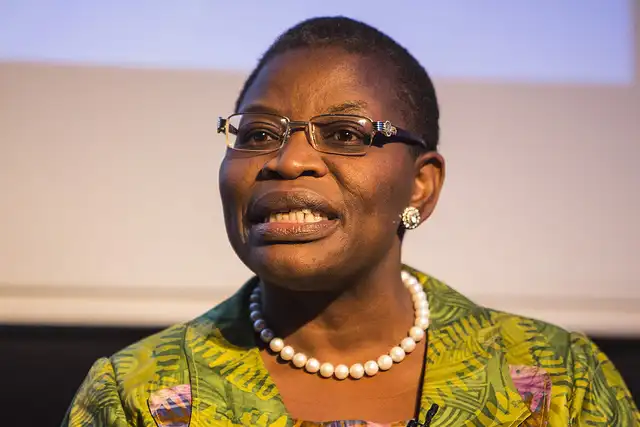
Nigeria’s deteriorating political and social fabric demands a fundamental reckoning that transcends the electoral cycle, according to former Education Minister Dr. Oby Ezekwesili, who has issued a stark warning against allowing the 2027 presidential race to dominate national discourse while deeper structural failures remain unaddressed. Speaking in a television interview, the prominent public intellectual and governance expert argued that the country’s recurring obsession with elections has become a dangerous distraction from the systemic overhaul required to arrest decades of decline.
Ezekwesili, who currently chairs the School of Politics, Policy and Governance, challenged Nigerians to reject what she described as a fatalistic acceptance of the country’s troubled state. She insisted that the nation’s current predicament represents not an inevitable destiny but rather the product of deliberate political choices and dysfunctional systems that remain within the power of citizens to ce. Her assessment points to a critical absence of shared national values, a common vision, and a political architecture capable of delivering meaningful development to the population. The greatest tragedy facing Nigeria, she contended, is the widespread resignation among citizens that their circumstances cannot be altered.
Central to her diagnosis is the lack of what she termed a robust social contract, adequate social cohesion, and sufficient social capital. These deficiencies have allowed ethnic, religious, and regional divisions to deepen rather than recede since independence, undermining the collective national project. Ezekwesili called for an urgent and comprehensive national conversation that would elish agreement on core values and produce a compelling vision for the country’s future. Such an understanding, she argued, should ultimately inform the development of a new constitutional arrangement that reflects genuine consensus rather than imposed frameworks.
The former minister directed particular criticism at Nigeria’s political class for failing to facilitate the kind of fundamental dialogue necessary to transform the country from a mere geographical expression into a truly cohesive nation. Since gaining independence, she observed, Nigeria has not adequately undertaken the national conversation required to elish shared values, agree on a collective vision, and develop constitutional structures based on that consensus. Patriotism, she emphasized, should not be misconstrued as uncritical support for existing political arrangements, and citizens who criticize poor governance are not opponents of the Nigerian state itself but rather advocates for its improvement.
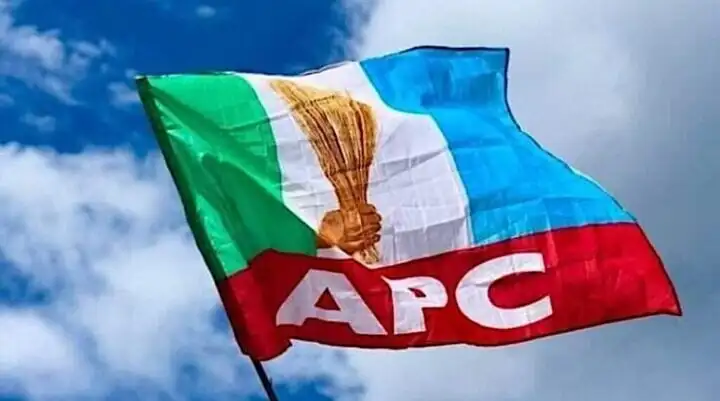
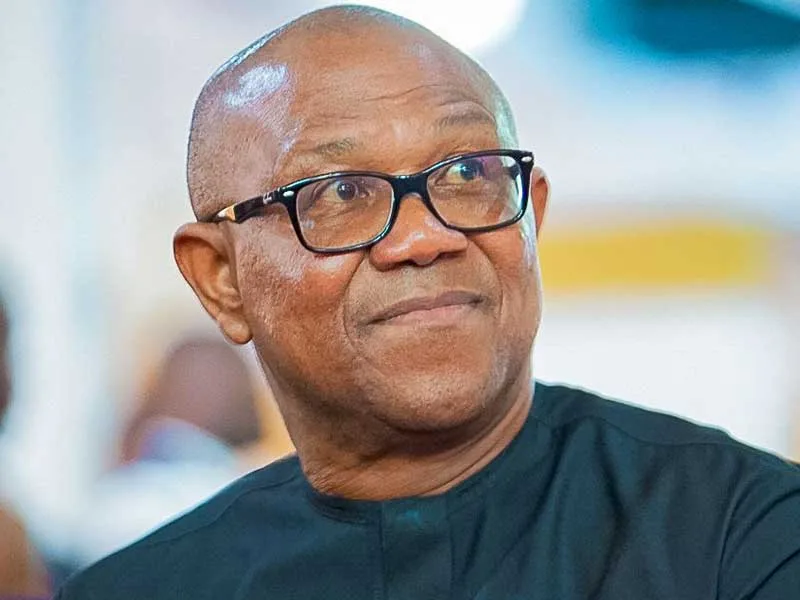
Regarding the approaching 2027 presidential election, Ezekwesili reaffirmed her support for Nigeria Democratic Congress candidate Peter Obi, explaining that her position stems from an assessment of leadership qualities rather than political affiliation. She disclosed that during the 2023 electoral cycle, she evaluated major presidential candidates using criteria of character, competence, and capacity, concluding that Obi scored considerably higher than other leading contenders. While acknowledging the formidable advantages held by the ruling All Progressives Congress, including incumbency, elished political structures, and substantial financial resources, she maintained that determined citizens could still create a political turning point if they mobilized effectively.
Looking ahead, Ezekwesili’s intervention underscores a broader tension in Nigerian political life between the immediate demands of electoral competition and the longer term imperative of institutional reform. Her call for national rebirth reflects growing recognition among governance experts that without addressing fundamental questions about values, vision, and constitutional design, even successful electoral transitions may fail to deliver the transformative ce that Africa’s most populous nation desperately needs. Whether Nigeria’s political leadership and citizenry can summon the courage for such a conversation while navigating the pressures of an election cycle remains an open and consequential question for the country’s future trajectory.
You May Like












Leave a comment