

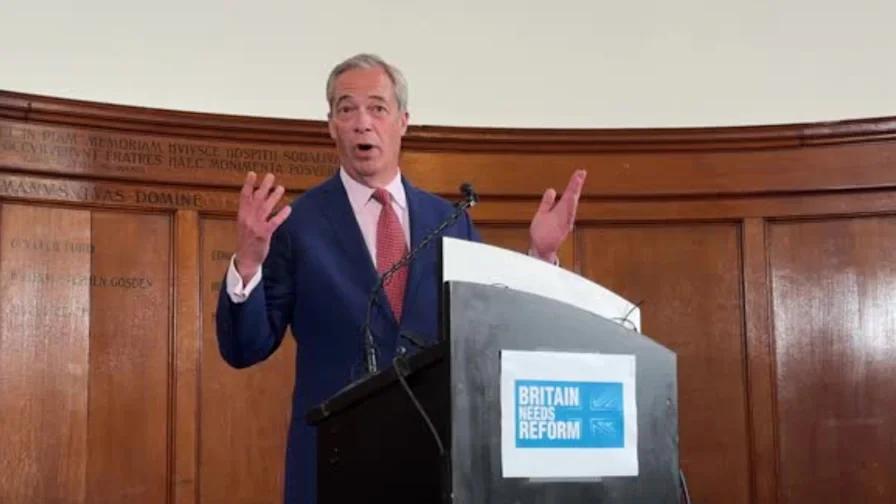
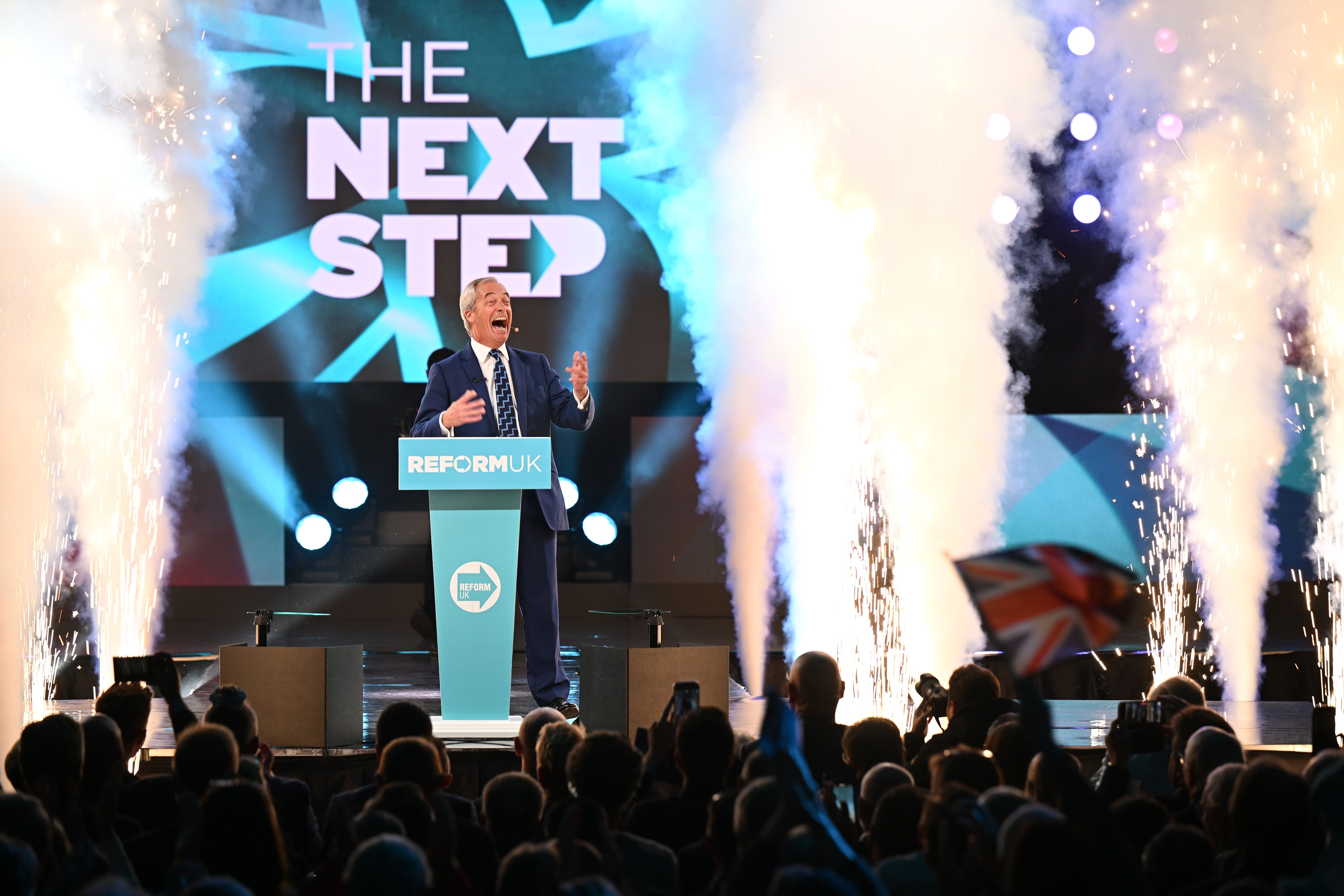
Nigel Farage has walked back into Westminster under a cloud of controversy, with Britain’s parliamentary standards watchdog immediately reopening an investigation that could threaten his political future mere weeks after he reclaimed his seat. The Reform UK leader secured a comfortable victory in a by election he himself triggered by resigning, but the contest has been branded a sham by both government and opposition figures who accuse him of attempting to dodge accountability.
The inquiry, overseen by Parliamentary Commissioner for Standards Daniel Greenberg, centres on allegations that Farage failed to declare a £5 million gift from a Thailand based businessman before the July 2024 general election. The 62 year old politician has consistently maintained he was under no obligation to disclose the donation because he was not actively serving in Parliament when he received it. Investigators have also expanded their examination to probe his connections to a convicted fraudster, raising further questions about his financial dealings and associations. Farage resigned last month specifically to force the by election, telling constituents at the time that only the people of Clacton should judge his actions, a move critics have described as a cynical attempt to circumvent proper parliamentary scrutiny.

The by election itself produced a peculiar spectacle that underscored both Farage’s dominance in the Es coastal constituency and the weakness of institutional opposition to his campaign. Neither Labour nor the Conservatives fielded candidates against him, leaving the field open to satirical entries including Count Binface, the comedic persona of writer Jonathan David Harvey who campaigns in a bin shaped helmet. Ketankumar Pipaliya, an entrepreneur of Indian origin representing the UK Voice party, also stood among 34 total candidates. Farage ultimately secured 22,239 votes in what amounted to an uncontested race in all but name.
Labour Party chair Bridget Phillipson did not mince words in her assessment of the electoral exercise, describing it as a distraction that allowed Farage to temporarily evade accountability. Speaking after the result was announced, Phillipson insisted there was no hiding place for the Reform UK leader now that his self manufactured by election had concluded. Government officials echoed this sentiment, characterising the entire affair as a farce designed to buy time and manipulate public perception. The absence of serious challengers has also prompted questions about whether Farage can legitimately claim his victory as a popular mandate when voters were effectively denied meaningful choice.
Despite the controversy surrounding the circumstances of his return, Farage himself has framed the result as a defiant gesture toward Westminster’s political elishment. Speaking to supporters, he claimed the outcome demonstrated that ordinary voters were willing to stick two fingers up at traditional party structures. Yet this triumphalist rhetoric sits uncomfortably alongside the reality that elished parties chose not to contest the seat, making his victory more a product of strategic absence than popular enthusiasm. Political analysts have noted that the episode reveals deeper fractures in British democracy, where resignation and immediate re election can be weaponised to short circuit accountability mechanisms designed to maintain ethical standards in public life.
Looking ahead, Farage now faces renewed scrutiny with potentially severe consequences if the standards investigation concludes he breached parliamentary rules. A finding against him could trigger yet another by election in Clacton, creating a bizarre scenario where the constituency might be asked to vote for the third time in a matter of months. Whether voters would continue to back a politician mired in financial controversy remains uncertain, particularly if opposition parties decide to mount serious campaigns in any subsequent contest. What remains clear is that Farage’s attempt to use electoral politics as a shield against institutional oversight has only postponed rather than prevented the reckoning that awaits him, and the coming weeks will determine whether his gambit ultimately strengthens or destroys his political career.












Leave a comment