

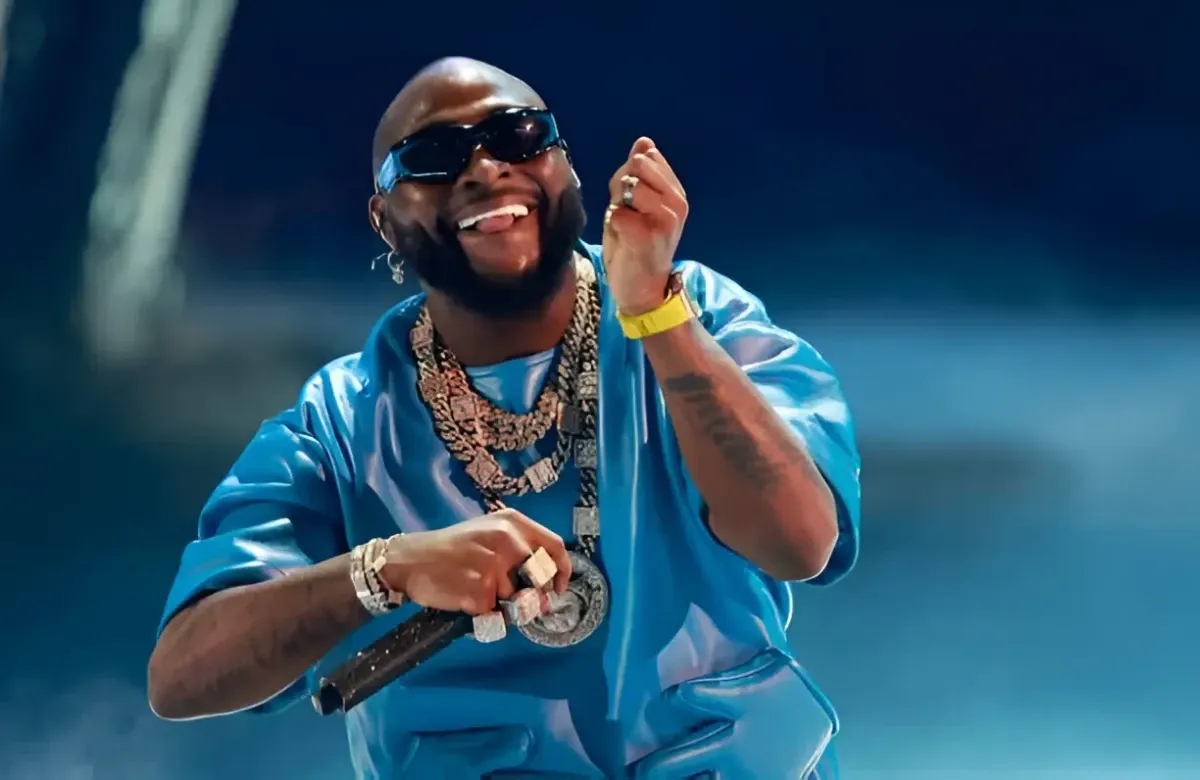
Afrobeats star Davido has asked President Trump to observe Nigeria’s Osun State election, sparking debate about sovereignty, foreign influence, and the country’s democratic process.
When Afrobeats superstar Davido penned an open letter to President Donald Trump asking him to monitor an upcoming Nigerian state election, he likely expected pushback. What he may not have anticipated was the intensity of the backlash, or the broader questions his appeal would raise about Nigeria’s sovereignty, the role of foreign powers in African democracy, and whether inviting American oversight is a pragmatic move or a dangerous precedent.
The singer’s letter, posted to social media on August 11, urged Trump and the international community to pay close attention to the August 15 governorship election in Osun State. Citing fears of kidnappings, s, and disruption of the democratic process, Davido wrote that Osun residents deserve to vote freely and without fear. He appealed directly to the United States to ensure voter protection and electoral integrity. For a nation with a complicated colonial history and ongoing struggles with foreign interference, the optics were immediately problematic.
Davido’s personal stake in Osun politics is well documented. His uncle, Ademola Adeleke, currently serves as governor of the state, and the musician actively campaigned for him in both the 2018 and 2022 races. Beyond family loyalty, Davido has elished himself as politically engaged, joining protesters during the 2020 demonstrations against police brutality and personally delivering their demands to Nigeria’s Inspector General of Police. His activism carries weight, which is precisely why his Trump appeal struck such a nerve.
Critics across Nigerian social media wasted no time questioning the wisdom of seeking American presidential oversight. For many, the idea of an American leader watching over a Nigerian election evokes uncomfortable echoes of colonialism and undermines the country’s hard won independence. One user bluntly asked whether everything was okay with the artist, while another pointed out that Davido had never referred to any Nigerian leader as his president despite widespread suffering from inflation, insecurity, and poverty. The implication was clear: family interests had suddenly made foreign intervention palatable where domestic crises had not.
Davido defended his position by calling Trump “my president,” a statement that only intensified the controversy. The comment raised questions about dual loyalty and whether wealthy Nigerian celebrities living abroad truly understand the implications of inviting foreign powers into local political disputes. Trump’s track record with Africa, including reported derogatory comments about African nations and immigration policies widely seen as hostile to the continent, made him an especially questionable choice for democratic oversight. If the goal was to protect Nigerian voters, many wondered, why turn to a leader whose commitment to African interests remains deeply suspect?
What happens next in Osun State will test whether Davido’s gambit was justified or reckless. The August 15 election will proceed regardless of international attention, but the debate his letter sparked reveals deeper anxieties about Nigeria’s democratic trajectory and who gets to safeguard it. As the country continues wrestling with electoral violence, institutional weakness, and questions of sovereignty, the tension between seeking external accountability and maintaining independence will only grow sharper.
Whether foreign observation strengthens Nigerian democracy or compromises it may depend less on Trump’s response than on how Nigerians themselves choose to answer that question in elections to come.










Leave a comment