

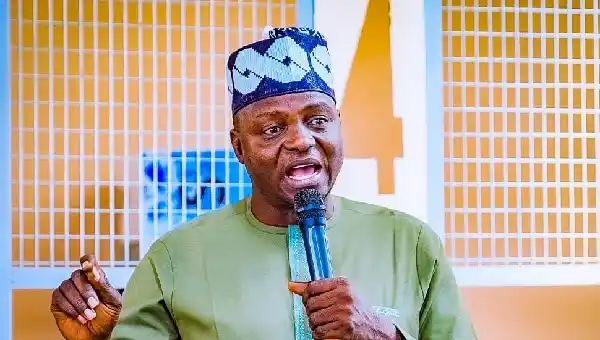
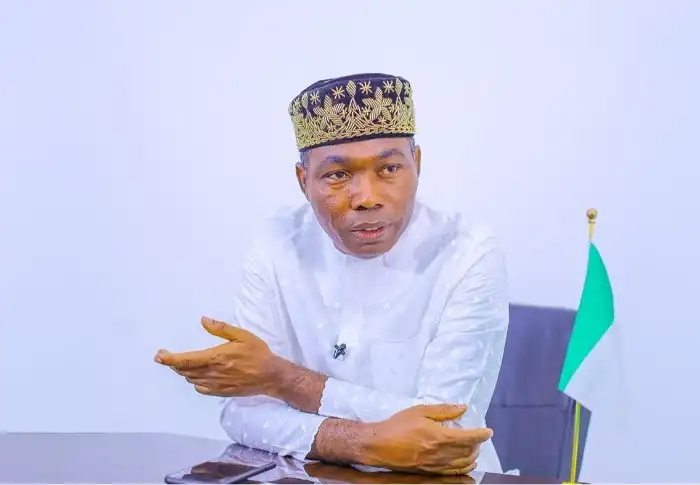
Violence knows no religious boundaries and spares no one, regardless of faith, the National Chairman of the All Progressives Congress, Professor Nentawe Yilwatda, has warned as Nigeria edges c to the 2027 general election. Speaking at the Muslim World League International Security Conference organized by JIBWIS, the party leader delivered a powerful call for peaceful coexistence between Christians and Muslims, emphasizing that divisive rhetoric and sectarian conflict ultimately destroy all Nigerians indiscriminately.
Addressing delegates at the conference themed “Advancing Peaceful Coexistence,” Yilwatda drew on personal experience to illustrate the possibility of interfaith harmony in Nigeria’s diverse society. He recalled how his father’s closest friend during his childhood was a Muslim Chief Imam, a relationship that exemplified the kind of cross-religious bonds that once defined many Nigerian communities. The APC chairman acknowledged that while Nigeria’s diversity can be experienced both positively and negatively, the choice of how to navigate religious differences remains firmly in the hands of citizens themselves.
“We are a nation of different faiths. I’m a Christian, and a number of you here are Muslims. I have brothers and relations who are Muslims, and we have to live together,” Yilwatda stated. He challenged the aunce to look beyond the surface question of whether Christians and Muslims can coexist, urging them instead to consider what kind of nation Nigerians are collectively building through their daily choices and interactions. Such fundamental questions take on heightened urgency as the country approaches another election cycle, a period historically marked by increased tensions and occasional outbreaks of violence.
Yilwatda’s message carried a stark warning about the indiscriminate nature of conflict and bloodshed. “When violence comes, it doesn’t ask whether you are Christian or Muslim before it destroys either your home, humanity, or dignity,” he cautioned. This observation resonates deeply in a nation that has witnessed devastating sectarian clashes, terrorist s, and communal violence that have claimed thousands of lives across religious and ethnic lines over the past two decades. The consequences of such violence, he emphasized, fall equally on all communities regardless of their faith traditions.
The APC chairman went further, arguing that Nigerians of all faiths share common experiences of suffering and possess equal capacity for collective progress. “We may worship differently, but we suffer together, we can build together, and ultimately, we can rise and fall together,” he declared. His words reflect a growing recognition among Nigerian leaders that the country’s complex challenges, from insecurity to economic hardship, require unified responses that transcend religious and ethnic divisions. Yilwatda characterized divisive rhetoric as “foolishness” that ultimately spares no one, suggesting that those who sow discord will eventually reap its bitter harvest alongside their intended targets.
As Nigeria navigates the path toward the 2027 elections, Yilwatda’s appeal for religious harmony takes on particular significance. Past election cycles have frequently witnessed the manipulation of religious and ethnic identities for political gain, sometimes with tragic consequences. Whether political leaders and religious communities heed calls for peaceful coexistence or allow themselves to be drawn into cycles of recrimination and violence will likely determine not only the character of the upcoming elections but the very future of Africa’s most populous nation. The stakes, as Yilwatda’s words make clear, could not be higher for all Nigerians regardless of how or where they worship.








Leave a comment