

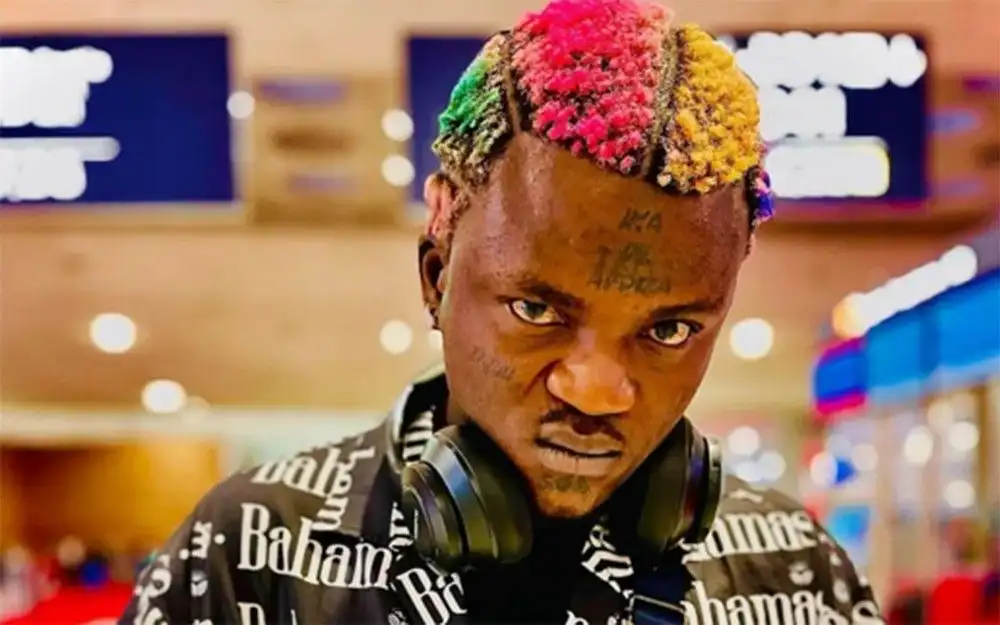
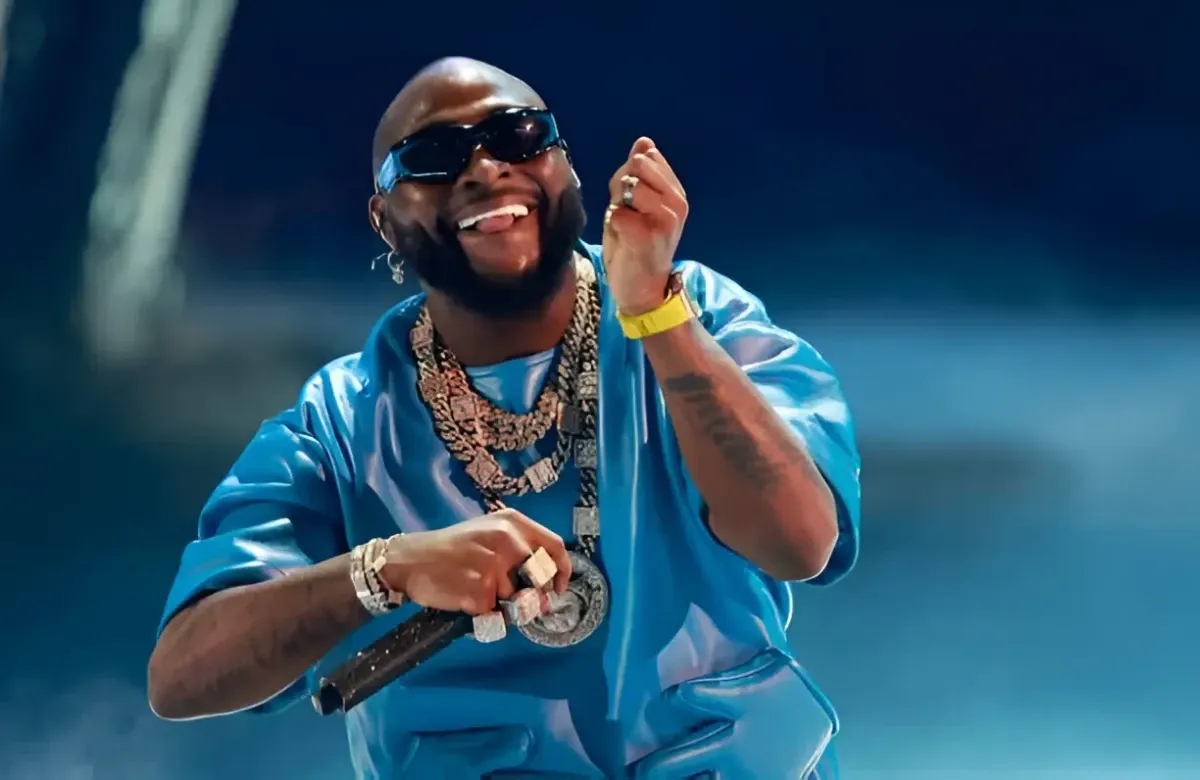
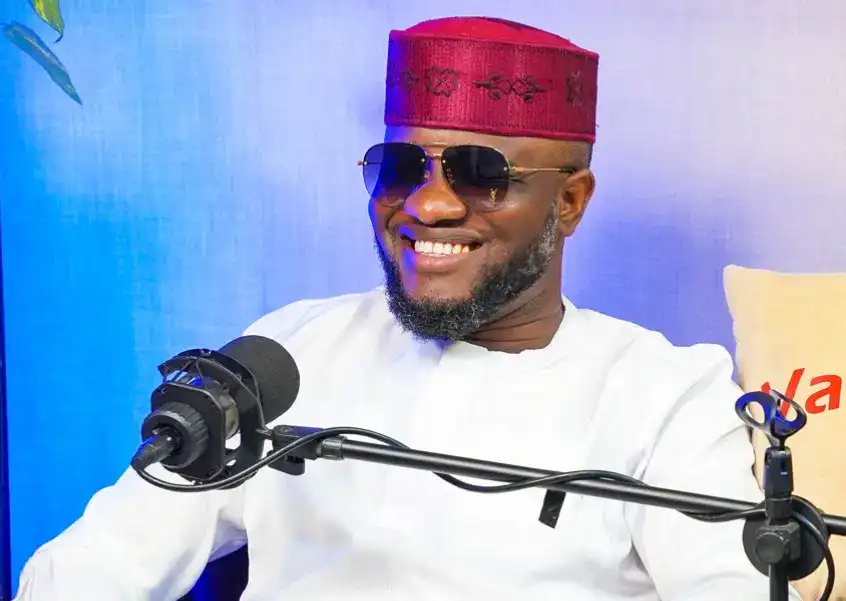
Nigerian singer Habeeb Okikiola Badmus, widely known as Portable, has broken his silence on why local celebrities remain largely muted about the country’s escalating security crisis, revealing a climate of fear that he says prevents public figures from speaking truth to power. The controversial artist claims that celebrities who dare to criticize government policies face the very real threat of arrest and persecution, making it far safer for diaspora voices to lead the charge for accountability.
Portable’s candid remarks came in response to an appeal by British Nigerian rapper Skepta, who recently urged Nigerian celebrities to use their platforms to address the worsening economic hardship and security situation plaguing the nation. While thanking Skepta for his concern, the Zazu crooner painted a stark picture of the constraints facing entertainers within Nigeria’s borders. Speaking in a video broadcast that has since circulated widely on social media, he explained that government authorities maintain tight control over dissenting voices, with consequences that extend beyond simple censure to include potential imprisonment and travel restrictions.
According to Portable, the disparity between what diaspora Nigerians can safely say and what domestic celebrities must suppress reflects a fundamental power imbalance. Nigerian authorities cannot easily reach critics living abroad, he argued, giving expatriates a protective barrier that homegrown stars simply do not enjoy. His comments suggest a chilling effect on free expression among the country’s most visible public figures, who theoretically possess both the platforms and influence to shape public discourse but allegedly lack the freedom to use them without risking their livelihoods and liberty.
The singer went further, claiming that some celebrities continue to face persecution for statements they made in the past, creating an atmosphere where self censorship becomes a survival mechanism rather than a choice. Portable described the situation as one of active oppression, stating that speaking out could result in passport seizures and other punitive measures designed to silence criticism. Rather than risk such consequences, he admitted that his focus has shifted toward personal economic survival, a pragmatic calculation he implied many of his peers have similarly made.
Portable’s assertion that celebrities care deeply about Nigeria’s problems but cannot voice their concerns without facing retaliation raises troubling questions about the state of civil liberties and freedom of expression in Africa’s most populous nation. If accurate, his account suggests that even individuals with substantial public profiles and financial resources feel unable to participate freely in political discourse, a condition that would represent a significant constraint on democratic participation. His call for diaspora Nigerians to serve as proxy voices for domestic concerns highlights both the severity of the restrictions he perceives and the creative workarounds that such restrictions necessitate.
Whether Portable’s claims will embolden other celebrities to speak more openly about their own experiences with government pressure, or whether his comments themselves will draw official scrutiny, remains to be seen. What seems clear is that the conversation Skepta initiated has exposed deep anxieties about the cost of public advocacy in contemporary Nigeria. As insecurity continues to affect millions of ordinary citizens across the country, the question of who can safely speak on their behalf, and from where, takes on urgent significance that extends well beyond the entertainment industry.






Leave a comment