

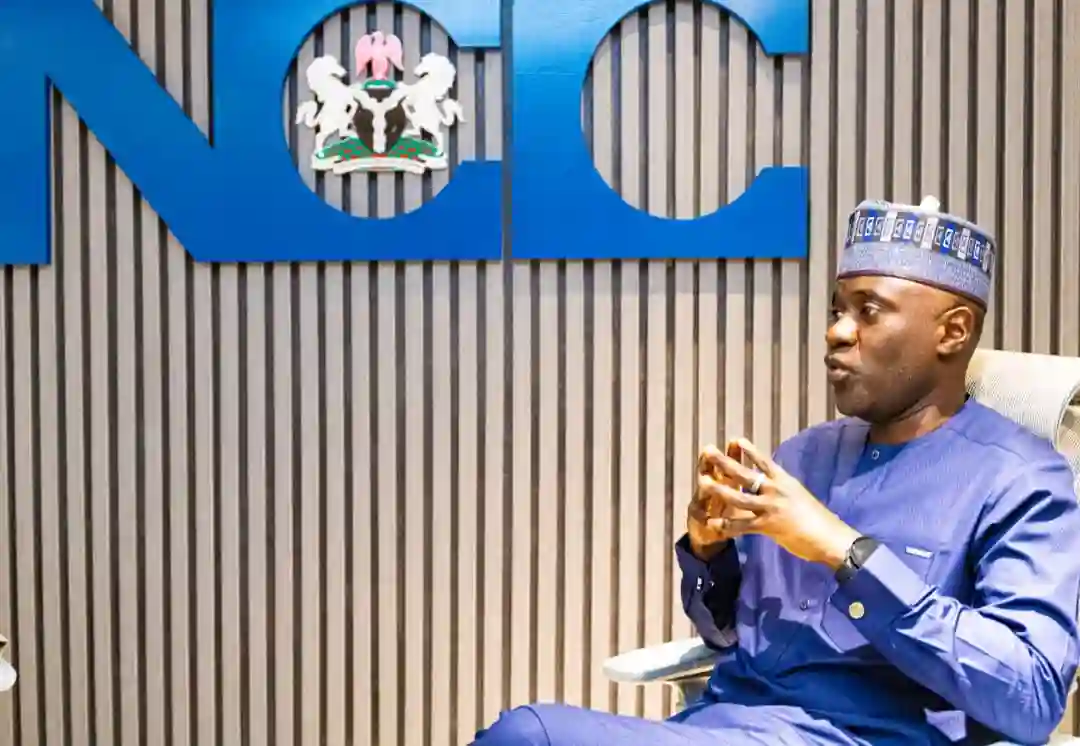
More than 5,000 fibre optic cables have been severed across Nigeria in the first half of 2026, with road construction and excavation projects causing widespread disruption to the country’s digital infrastructure. The Nigerian Communications Commission has issued a stark warning that the ongoing damage threatens to undermine the nation’s ambitious digital economy goals, pointing to a fundamental breakdown in coordination between construction companies, government agencies, and telecommunications providers.
Dr. Aminu Maida, Executive Vice Chairman of the NCC, revealed the alarming figures during a stakeholder workshop in Abuja on Tuesday, emphasizing that the scale of destruction demands an immediate shift from reactive responses to proactive prevention. Speaking at the event focused on protecting fibre optic infrastructure during civil works, Maida stressed that both roads and telecommunications networks represent critical national assets whose development must proceed in tandem rather than at cross purposes. The core problem, he explained, lies in the chronic absence of early engagement among stakeholders, with excavation work often beginning with little or no coordination between parties.

The consequences of these cable cuts extend far beyond inconvenience. Fibre infrastructure now forms the backbone of essential services including banking transactions, government operations, educational platforms, healthcare systems, commercial activities, security communications, and emergency response networks. A single severed cable can trigger cascading failures that ripple through multiple sectors simultaneously. Maida recalled a particularly severe incident in February 2024 when widespread fibre cuts caused a nearly complete network collapse for one major telecommunications provider, leaving millions of Nigerians unable to make calls, send messages, or access the internet for hours. The disruption forced affected subscribers to migrate to other networks, placing unsustainable pressure on competing infrastructure and demonstrating how localized damage can quickly escalate into a national crisis.
The economic implications are substantial and growing. Maida emphasized that damaged fibre cables represent far more than operational costs for telecommunications companies. Each cut translates into lost productivity, interrupted commerce, stalled education, and compromised public services that collectively burden the entire economy. Financial transactions fail to process, students lose access to online learning resources, healthcare providers cannot access patient records, and emergency services face communication blackouts. In an increasingly connected economy where digital infrastructure underpins nearly every sector, these disruptions carry costs that compound rapidly across society.
Recognizing the urgency of the situation, the Federal Government has elished the Standing Committee on the Protection of Fibre Optic Cables, jointly convened by the Permanent Secretaries of the Federal Ministry of Works and the Federal Ministry of Communications, Innovation and Digital Economy. The committee has been tasked with creating robust coordination mechanisms to govern the planning, execution, and completion phases of road construction and other civil engineering projects. Maida outlined a framework requiring telecommunications operators to provide accurate cable route information, contractors to verify infrastructure locations before breaking ground, and government agencies to facilitate timely information sharing across all parties. He emphasized that coordination cannot remain an afterthought but must become integral to project design and implementation.
Looking ahead, the success of these protective measures will depend on sustained commitment from all stakeholders and meaningful enforcement mechanisms. Engr. Nadungu Gagare, Permanent Secretary of the Federal Ministry of Communications, Innovation and Digital Economy, reinforced through his representative that safeguarding fibre infrastructure constitutes a collective national responsibility rather than the sole concern of telecommunications companies. As Nigeria continues to position itself as a technology hub within Africa, the integrity of its digital infrastructure will prove crucial to attracting investment, supporting innovation, and delivering on the promise of inclusive digital transformation. Every prevented fibre cut, as Maida noted, represents a maintained connection, a processed payment, a continued lesson, and an accessible public service that keeps the digital economy functioning for all Nigerians.
You May Like



















Leave a comment