

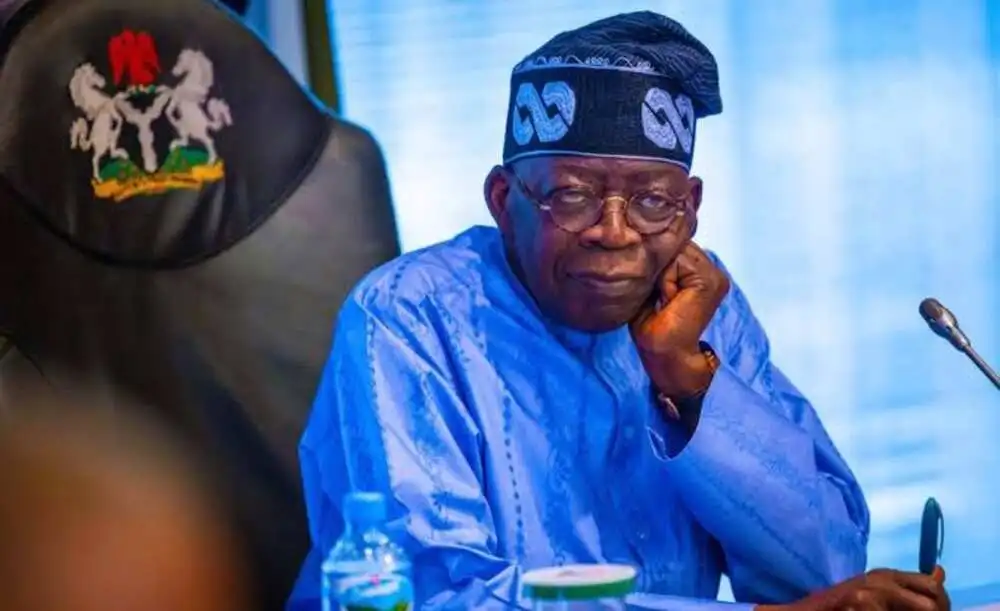
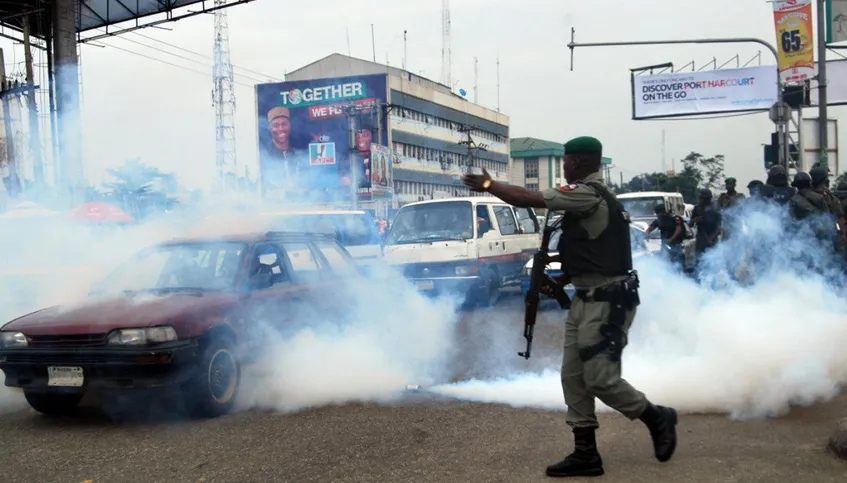
A wave of youth activism has emerged in Port Harcourt as young protesters took to the streets to mobilize residents against the ruling All Progressives Congress ahead of the 2027 general elections, directly challenging assertions by Federal Capital Territory Minister Nyesom Wike that Rivers State stands unified behind President Bola Tinubu. The demonstration, captured in a viral video circulating on social media, shows dozens of youths chanting slogans condemning what they describe as crippling economic hardship under the current administration.
The protesters specifically targeted President Tinubu’s economic policies, citing widespread food insecurity and unreliable electricity as evidence of governance failure. In the video footage, which has garnered significant attention online, the young demonstrators can be heard repeatedly chanting pointed questions about basic necessities. “You get food for house? No. You get light for house? No. Hunger dey. Tinubu brought hunger through bad government,” they sang in unison, their message delivered in the distinctive pidgin English common to the region. The protesters argued that the administration has failed to address Nigeria’s deepening economic crisis and should be removed from power through the ballot box.
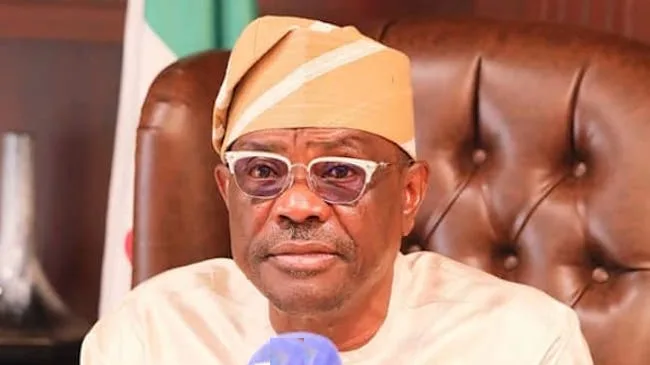
This grassroots mobilization stands in stark contrast to recent statements from Wike, who served as Rivers State governor before his appointment to the federal cabinet. Speaking at a political gathering, Wike boldly predicted that there would be no meaningful opposition in Rivers State during the 2027 electoral cycle. His confidence stems from what he characterizes as a rainbow coalition, an alliance drawing members from various political parties who have united to support his preferred candidates and President Tinubu’s reelection bid. The former governor has positioned himself as a kingmaker in Rivers politics, leveraging his extensive network and political infrastructure to shape electoral outcomes.
The clash between these competing visions for Rivers State reflects broader tensions within Nigerian politics as the country approaches another electoral cycle. Economic conditions have deteriorated significantly since Tinubu assumed office, with inflation reaching unprecedented levels and the removal of fuel subsis triggering cascading price increases across essential goods and services. Many Nigerians, particularly young people facing dim employment prospects, have grown increasingly vocal in their frustration with government performance. Youth unemployment remains stubbornly high, and purchasing power has eroded dramatically for families across income levels.
Political analysts suggest that youth mobilization could prove decisive in upcoming elections, particularly in densely populated urban areas like Port Harcourt where younger demographics make up a substantial portion of the electorate. While traditional political machinery and patronage networks have historically determined electoral outcomes in Rivers State, shifting demographics and increased civic awareness among younger voters may alter this calculus. Social media has amplified dissenting voices and enabled rapid organization of protest movements, creating new channels for political expression outside elished party structures.
As Nigeria moves c to the 2027 elections, the contest between elishment political figures like Wike and grassroots youth movements will likely intensify. Whether these street protests translate into coordinated electoral opposition remains uncertain, but they signal growing restiveness among a demographic that politicians can no longer afford to ignore. How the ruling party responds to these grievances, and whether opposition parties can channel this discontent into viable alternative platforms, will shape the political landscape in Rivers State and potentially influence outcomes across the nation. The coming months will reveal whether Wike’s rainbow coalition or the protesters’ demands for ce will define Rivers State’s political future.












Leave a comment