


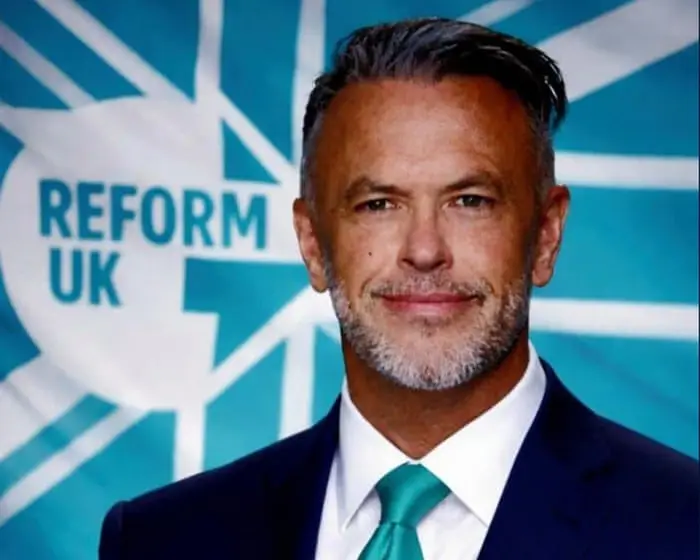
Nigel Farage’s decision to trigger a quarter million pound by-election in Clacton has spectacularly misfired, exposing the Reform UK leader to accusations of political misjudgement and financial impropriety rather than providing the political shield he had hoped for. The seaside constituency contest, which political observers expect Farage to win against novelty candidate Count Binface and a field of fringe contenders, has done little to halt the growing momentum of parliamentary and criminal investigations into the party’s finances.
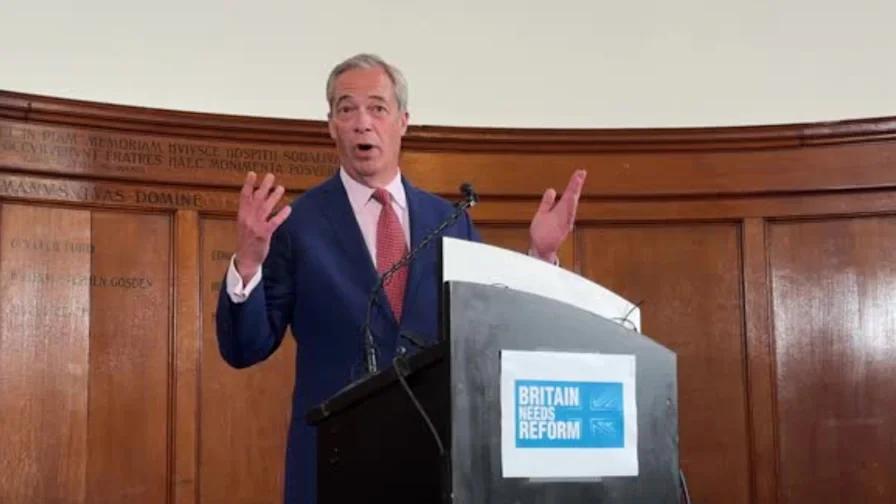
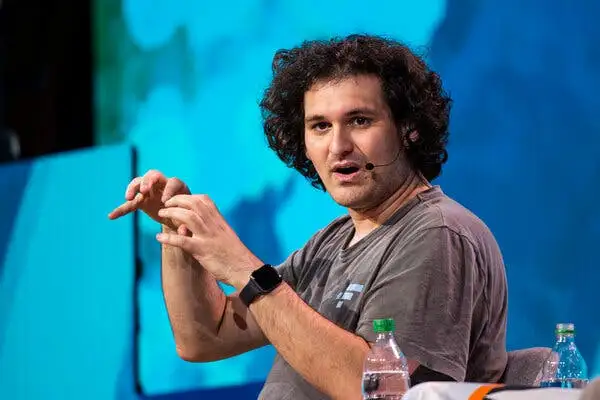
Sources close to Reform UK’s inner circle had believed the by-election would derail a parliamentary inquiry into a controversial £5 million payment to Farage and other questionable funding sources. Instead, multiple investigations continue unabated. Scrutiny now encompasses the substantial personal payment to Farage, cryptocurrency donations to the party, financial arrangements involving deputy leader Richard Tice, and allegations concerning Arron Banks, the Brexit backer and Farage confidant, who allegedly hired private investigators to surveil a Sunday Times journalist. The episode suggests a party rattled by increasing oversight and transparency demands.
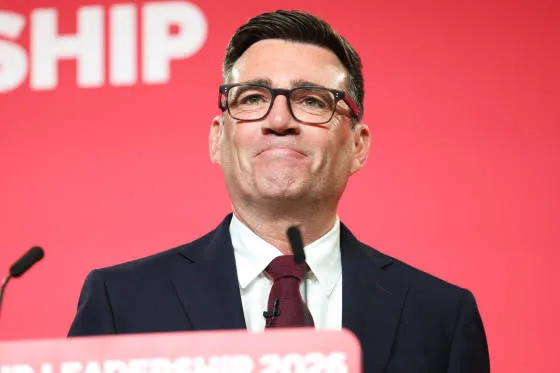
British politics has undergone a remarkable transformation since Andy Burnham succeeded Keir Starmer as Labour leader earlier this summer. Recent polling shows Labour recovering from previous lows, frequently matching or exceeding Reform UK’s support levels. While political fortunes can shift rapidly and Burnham’s popularity depends on delivering tangible improvements to living standards, Farage’s once seemingly inevitable path to Downing Street now appears considerably less certain. Reform UK finds itself squeezed between mainstream concerns about immigration levels and the more extreme positions of parties like Restore, risking alienation of voters who oppose both open borders and outright bigotry.

Historical precedent suggests Farage’s by-election strategy may prove counterproductive. Former Conservative heavyweight David Davis called a similar by-election on himself in 2008, boycotted by major parties, facing 25 fringe candidates including the Church of the Militant Elvis Party and the Miss Great Britain Party. Despite securing 72% of votes and declaring a stunning victory, Davis never fully recovered his political standing. Farage faces an even larger field of 34 candidates, and a comparable vote share would represent a hollow triumph rather than genuine political momentum.
Adding to Reform UK’s difficulties, the possibility looms of a second by-election should parliamentary authorities suspend Farage for ten days or more over the £5 million payment. Criminal charges, while speculative at this stage, have not been ruled out by investigators examining Reform’s financial practices. Meanwhile, Conservative leader Kemi Badenoch faces her own controversies after initially defending Joshua Bonehill-Paine, a council candidate in Somerset with a criminal record for anti-Semitic harassment, including racially targeting former Labour MP Luciana Berger. Bonehill-Paine, who served time as recently as 2018, eventually stepped down, but Badenoch’s initial support illustrated the risks of attempting to mimic Reform’s populist approach.
What emerges from the Clacton circus is a political landscape fundamentally altered from just months ago. Farage, once dominating national conversations and setting the political agenda, now finds himself responding to events rather than shaping them. Whether Friday’s expected victory over a rubbish bin and assorted novelty candidates can arrest Reform UK’s declining influence remains doubtful. Opponents sense vulnerability where invincibility once seemed assured, and the laughter echoing along Clacton Pier may belong not to Farage’s supporters but to those who see a once formidable political force struggling to maintain relevance amid mounting legal and political challenges.












Leave a comment