


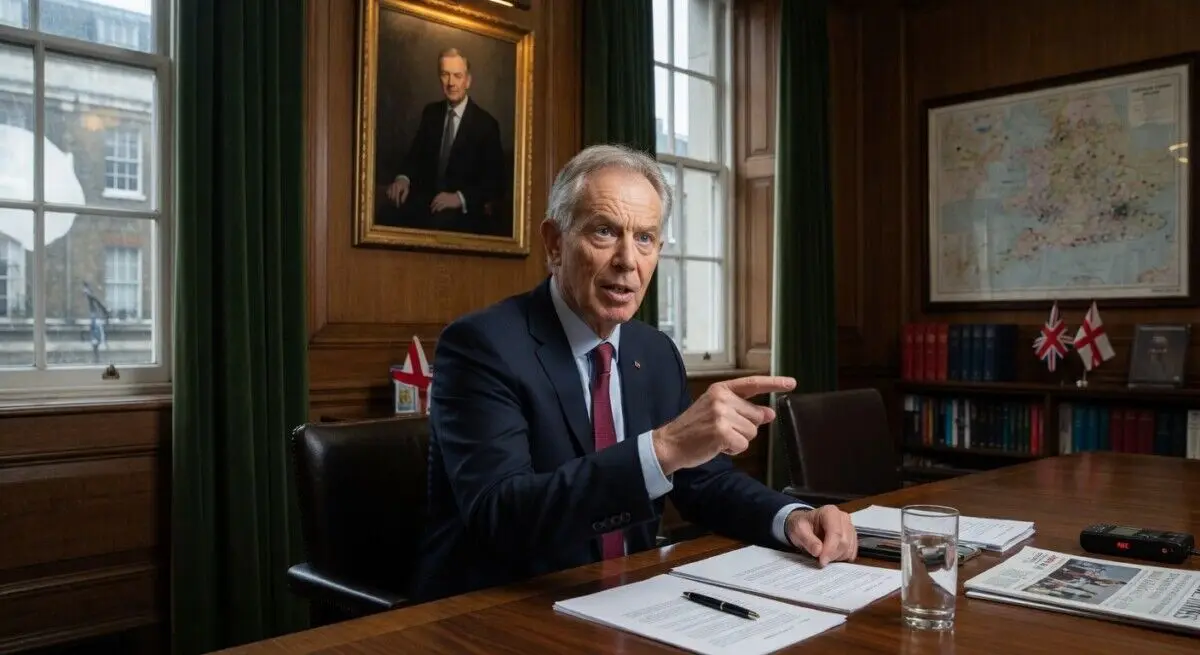
Prime Minister Andy Burnham has committed his government to being “relentless” in its efforts to stem the flow of migrants crossing the English Channel in small boats, speaking from Dover amid renewed political pressure on illegal migration policy. His comments come as enforcement capacity has been dramatically expanded, with National Crime Agency officers dedicated to tackling people smuggling gangs now numbering almost 800, more than double the 376 deployed at the start of 2025. Parallel increases in French enforcement personnel signal a coordinated cross Channel approach to what remains one of the most politically sensitive issues facing the administration.
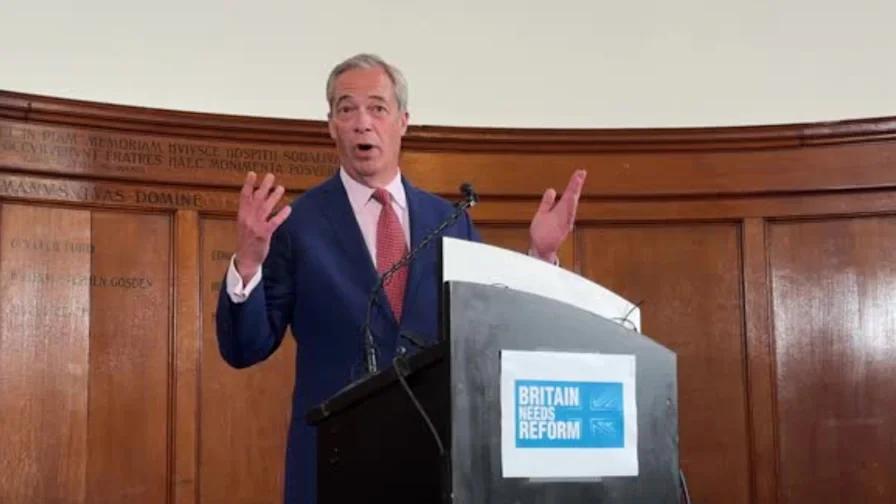
Speaking to reporters, Burnham emphasized that his government was “cing the whole approach” rather than simply managing the status quo. He acknowledged public concern about border control while arguing for a dual strategy that combines robust enforcement with the creation of safe legal pathways for genuine refugees. “People want to see this issue addressed,” the Prime Minister said, adding that safe routes would undermine the business model of criminal smuggling operations. The remarks reflect an attempt to balance competing pressures from those demanding tougher border security and advocates for more humane asylum policies.
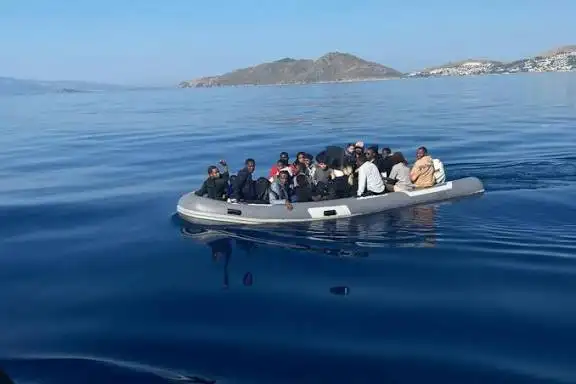
Recent data suggests the government’s intensified focus may be yielding results. Between January and late July 2026, a total of 14,128 people crossed the Channel in small boats, representing a 42 percent decline compared to the same period in the previous year. Yet the crossings remain dangerous and deadly. Boats now carry an average of 67 people, more than double the capacity recorded in 2021, and experts warn that this overcrowding significantly increases risk. At least 84 people d attempting the crossing in 2024 according to United Nations figures, a stark reminder of the human cost behind the political debate.
The composition of those making the journey reveals complex patterns of global displacement. People from Eritrea accounted for 18 percent of all small boat arrivals between April 2025 and March 2026, while Home Office data indicates at least 2,000 arrivals were identified as potential victims of human trafficking or modern slavery. Nearly all those arriving by small boat claim asylum, which under international law entitles them to remain in the country while applications are processed. Small boat arrivals represented 42 percent of total asylum applications in the twelve months to March 2026, though they constituted only about five percent of total immigration to the UK during 2025.
Burnham’s Dover appearance came shortly after tens of thousands of migrants swam into the Spanish exclave of Ceuta, prompting fresh discussion about European migration policy coordination. The Prime Minister noted that 98 percent of those who reached the African territory had been returned to Morocco, addressing the immediate crisis, but acknowledged broader questions about the UK’s relationship with the Schengen area. “I would want to be in regular dialogue with the EU on those issues,” he said, hinting at potential diplomatic initiatives on migration management that could extend beyond bilateral cooperation with France.
Looking ahead, the success of the government’s strategy will depend on whether disrupting smuggling networks can achieve sustained reductions in Channel crossings without creating humanitarian crises elsewhere. Burnham insists he wants to “deal with the issue rather than play politics,” yet the challenge of balancing border security with international obligations and public opinion will continue to test his administration. As enforcement capacity expands and diplomatic engagement deepens, the coming months will reveal whether the government’s promise to “smash the gangs” can translate rhetoric into measurable, lasting ce on one of the defining policy challenges of this decade.



















Leave a comment