

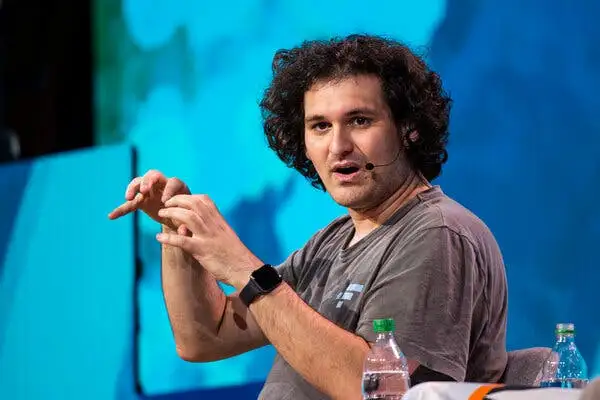
Political donations totaling $50,000 received by Britain’s Defense Secretary are now under scrutiny after revelations emerged connecting the funds to disgraced cryptocurrency executive Sam Bankman Fried. Reform UK’s chairman has formally demanded an investigation into the financial trail, which allegedly passes through a think tank whose founder previously received $675,000 from the former FTX chief executive.
The controversy centers on whether political contributions were effectively laundered through legitimate policy organizations to obscure their origins in what became one of the largest financial frauds in recent history. Bankman Fried, currently serving a 25 year prison sentence for defrauding FTX customers and investors of billions of dollars, was known for aggressive political spending across multiple jurisdictions before his cryptocurrency exce collapsed in November 2022. His donation network spanned continents and involved numerous intermediary organizations, making tracing the ultimate beneficiaries of his largesse a complex undertaking.
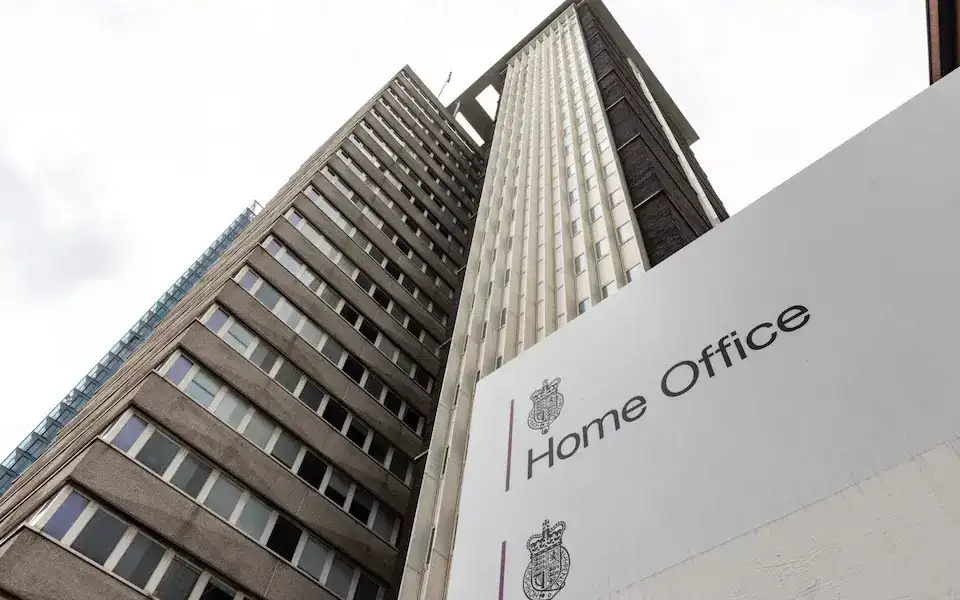
Reform UK officials argue that any connection, however indirect, between serving cabinet ministers and funds originating from criminal enterprise warrants immediate parliamentary scrutiny. Questions of due diligence have emerged regarding how political parties and individual politicians vet donations from policy institutes and advocacy groups. Current UK electoral law requires transparency for direct donations above certain thresholds, yet critics contend that sophisticated donors can circumvent spirit if not letter of disclosure requirements through strategic giving to third party organizations.
Legal experts note that proving knowledge or intent in such cases presents substantial challenges for prosecutors and investigators. Unless evidence surfaces demonstrating the Defense Secretary knew or should have known about the funds’ tainted origins, criminal liability remains unlikely. Nevertheless, political damage can prove severe regardless of legal culpability, particularly given heightened public sensitivity to financial impropriety following several high profile scandals involving cryptocurrency figures and traditional political funding.
The think tank at the center of the allegations has not yet issued a public statement addressing the source of its funding or its subsequent political contributions. Transparency advocates have long warned that policy organizations operating in the space between pure research institutions and lobbying firms create opportunities for influence peddling while maintaining veneer of intellectual legitimacy. Reform of political financing rules has been debated in Parliament for years, yet comprehensive legislation addressing modern challenges posed by cryptocurrency wealth and international funding networks remains pending.
Whether this latest controversy will catalyze meaningful reform or fade into the background of Britain’s crowded political landscape remains uncertain. Reform UK’s demand for investigation arrives amid broader debates about financial regulation, cryptocurrency oversight, and the intersection of new money with traditional political structures. How Parliament and relevant oversight bos respond in coming weeks will signal whether the political elishment views these revelations as isolated incident or symptom of systemic vulnerabilities requiring urgent attention.
You May Like












Leave a comment