

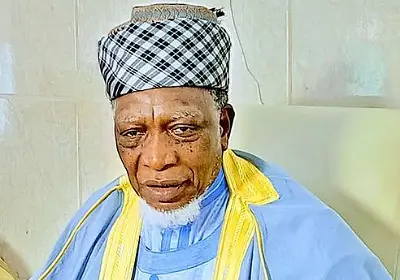
A firestorm of controversy has erupted across Nigeria after a prominent Islamic scholar declared that the country belongs to Muslims and told those opposed to same faith presidential tickets to leave. Sheikh Yahaya Jingir made the inflammatory remarks in a viral video while addressing Muslims at a religious gathering, sparking immediate backlash from Christian communities and political figures who say such statements threaten the fabric of national unity.
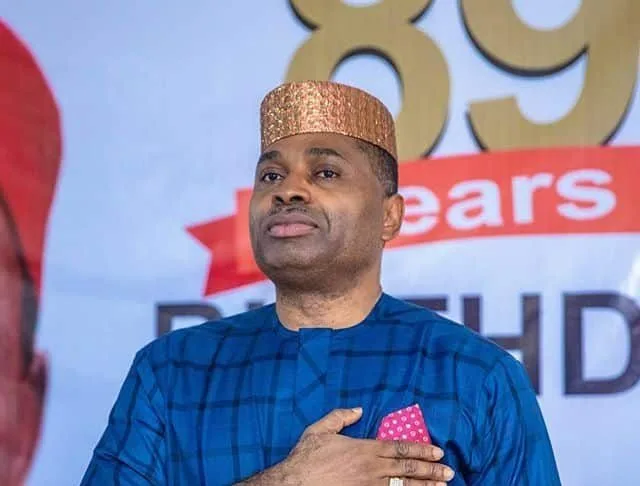
Femi Fani Kayode, Nigeria’s ambassador to South Africa and former aviation minister, issued a forceful rebuke of the cleric’s position late Sunday evening. Writing on his official social media platform, Fani Kayode described the comments as unhelpful, untrue, and dangerously provocative. He emphasized that characterizing Nigeria as a Muslim country represents a very slippery and dangerous slope that must be avoided at all costs. The ambassador stressed that Nigeria is fundamentally a secular and multi religious state comprising both Christians and Muslims in equal numbers, a diversity he identified as the nation’s greatest strength rather than a source of division.
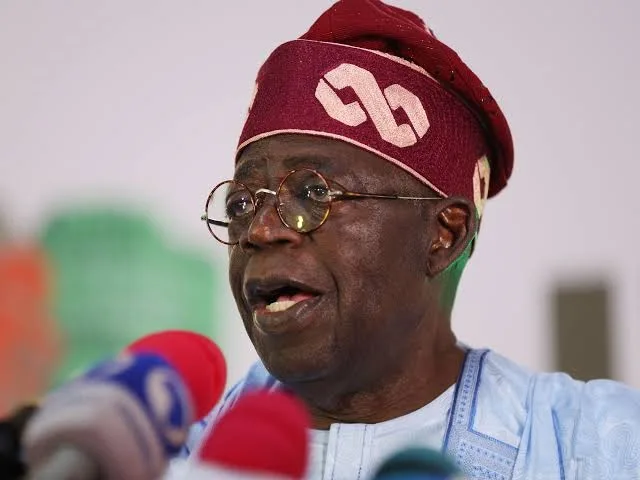
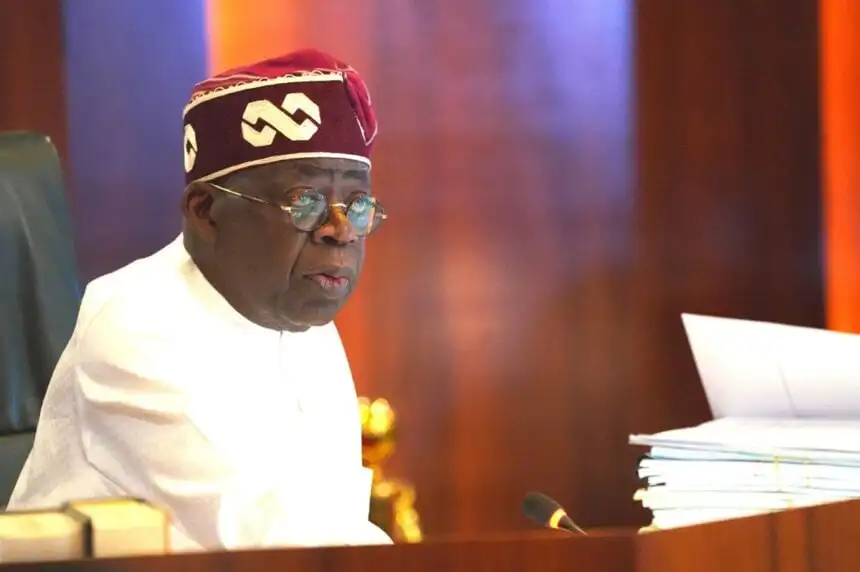
The controversy centers on the contentious issue of same faith political tickets, particularly the Muslim Muslim combination fielded by President Bola Tinubu’s administration. When Tinubu initially selected a Muslim running mate for the 2023 elections, the decision triggered heated debate about religious balance in governance and whether such arrangements marginalize Christian voters. Sheikh Jingir’s recent comments have reopened these wounds, with many interpreting his remarks as an assertion of Islamic supremacy that contradicts Nigeria’s constitutional commitment to religious equality and secular governance.
Fani Kayode took pains to explain that acceptance of Tinubu’s same faith ticket stems not from religious considerations but from the caliber, ability, sincerity of purpose, character, and electoral strength of both the president and vice president. According to the former minister, Nigerians have embraced the current leadership based on their demonstrated capacity to deliver results rather than their religious affiliation. He suggested that future elections might even produce a Christian Christian ticket, noting that with divine providence all possibilities remain open in Nigerian politics.
Religious demographics have long shaped political calculations in Africa’s most populous nation, where roughly half the population identifies as Muslim and the other half as Christian, with significant regional concentrations of each faith. Northern states are predominantly Muslim while southern regions lean heavily Christian, though major cities throughout the country feature substantial populations of both religions. Political parties have traditionally sought to balance tickets across religious and ethnic lines, making departures from this convention particularly controversial and subject to intense scrutiny from civil society organizations and religious leaders alike.
As Nigeria approaches future election cycles and grapples with pressing security challenges including terrorism and kidnapping, the rekindling of religious tensions poses serious risks to social cohesion. President Tinubu has recently called on religious leaders to speak out against violence and insecurity, a message that takes on added urgency in light of divisive rhetoric from figures like Sheikh Jingir. Whether political and religious authorities can forge a path toward greater tolerance and mutual respect will likely determine whether Nigeria continues as a unified secular state or fractures along the fault lines of faith that have periodically threatened its ility since independence.
You May Like






Leave a comment