

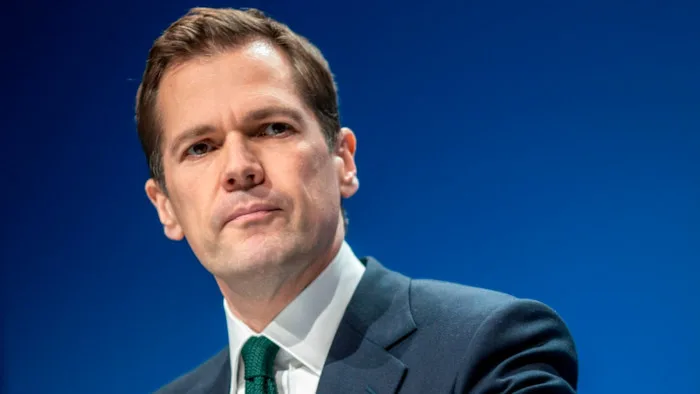
Scotland Yard has launched a criminal investigation into donations made to Robert Jenrick’s Conservative leadership campaign in 2024, examining allegations that tens of thousands of pounds may have originated from overseas sources in breach of electoral law. The Metropolitan Police confirmed it received a referral from the Electoral Commission in January this year and has now opened formal inquiries into donations connected to a political party’s leadership contest, though the force declined to name specific individuals under investigation.
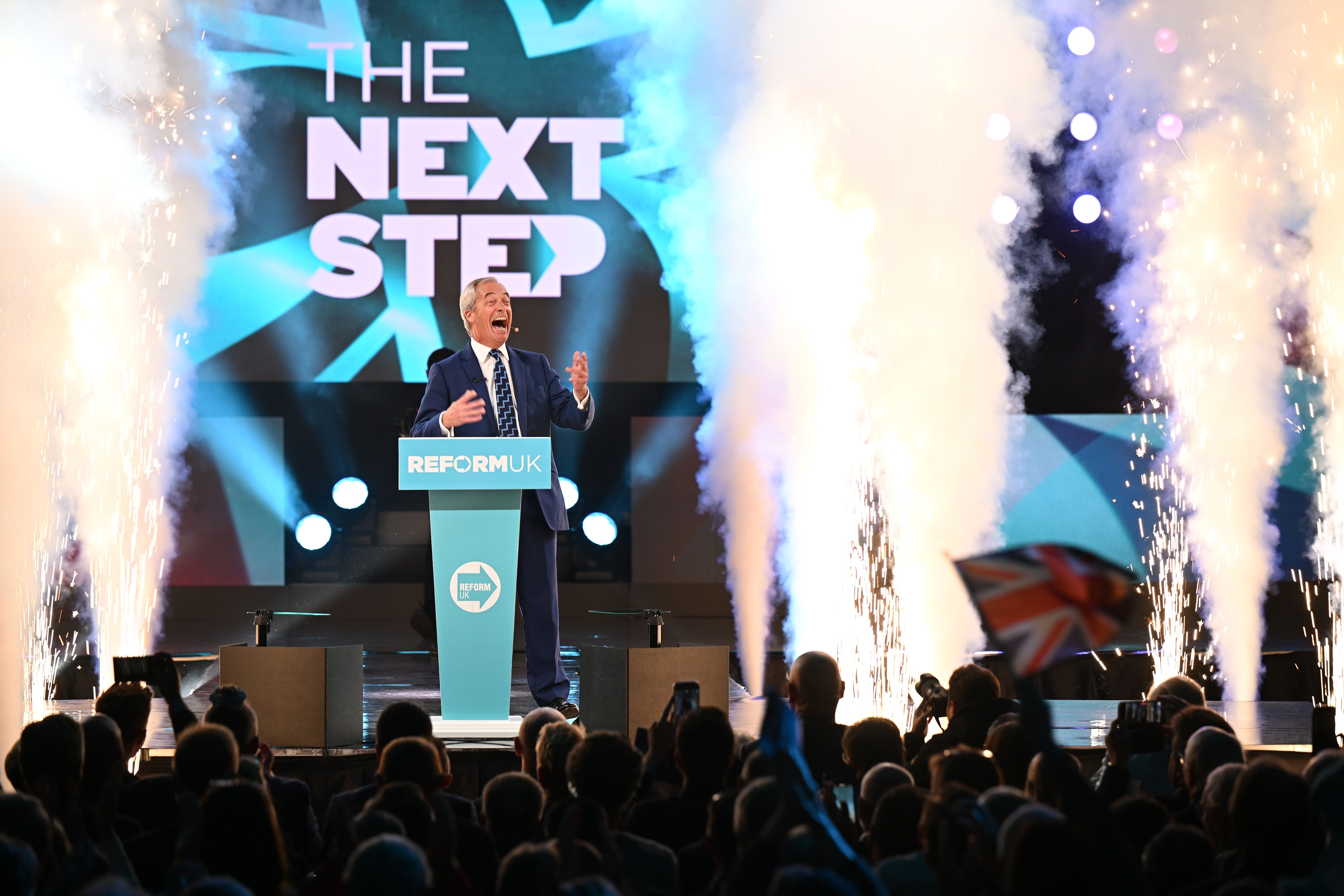
At the center of the inquiry is £37,500 that the Electoral Commission believes may have come from Innovyz, a United States based company, rather than from the British sources originally declared. Foreign donations to UK politicians are strictly prohibited under electoral law, a cornerstone protection designed to prevent overseas influence in British democracy. Jenrick, who now sits as a Reform UK MP after defecting from the Conservatives earlier this year, has strongly denied any wrongdoing and insisted he has had no contact with police regarding the matter. He described the allegations as entirely false and politically motivated.

The controversy dates back to Jenrick’s unsuccessful bid to replace Rishi Sunak as Conservative leader in the summer of 2024, when he finished as runner up to Kemi Badenoch. During that campaign, Jenrick received £100,000 in donations from a company called Spott Fitness, funds that were publicly attributed to British businessman Phillip Ullmann when he came forward in September 2024. However, investigators have been probing whether more than a third of that sum actually came from Innovyz, a company founded by Gary Klopfenstein, an American businessman who pleaded guilty to wire fraud in 2024.
A spokesman for Jenrick mounted a vigorous defense of the former immigration minister, arguing that he and his campaign team complied fully with all electoral laws when accepting the donation from Spott Fitness Ltd. According to the spokesman, Jenrick had never met, spoken to, or had any contact with Klopfenstein, nor was he aware of any connection between the American businessman and Ullmann’s donation until the Electoral Commission contacted him. Jenrick’s team emphasized that Ullmann had been introduced to the campaign by a Conservative MP and that the party itself had checked the permissibility of his donations, characterizing the investigation as an untrue and politically motivated smear orchestrated by his former party.
Sources familiar with the matter indicate that the Conservative Party reminded all candidates in the 2024 leadership race about the legal requirements surrounding permissible donations, a standard procedure designed to ensure compliance with electoral law. Ullmann, through a spokesperson, declined to comment on the ongoing investigation. The Electoral Commission, which has statutory responsibility for monitoring political donations and can refer suspected criminal offenses to police, passed its findings to the Metropolitan Police after months of examination that began following media reports in April last year.
The investigation represents a significant escalation in scrutiny of political party financing and raises broader questions about the robustness of checks on large donations during internal party contests. As the Met Police inquiry continues, Jenrick faces the prospect of sustained attention on his financial dealings during a pivotal moment in his political career, just months after his high profile defection to Reform UK. Whether charges will ultimately be brought remains to be seen, but the case underscores ongoing concerns about the integrity of political funding in British democracy and the mechanisms designed to keep foreign money out of domestic political campaigns.












Leave a comment