

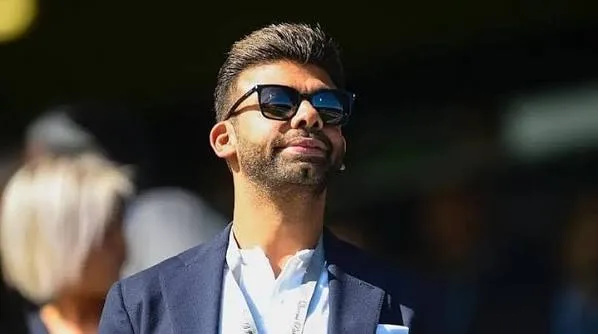
A consortium led by former Queens Park Rangers chairman Amit Bhatia has emerged as a serious contender to acquire a significant minority stake in Liverpool Football Club, potentially marking the beginning of the end for Fenway Sports Group’s long and often controversial tenure at Anfield. Backed by steel magnate Lakshmi Mittal, Bhatia’s father in law, the group is proposing a £1.35bn investment in exce for 30% of the club, valuing Liverpool at £4.5bn and positioning it among the most valuable franchises in English football.
Bill Shankly famously proclaimed that a football club consists of a holy trinity: players, manager and supporters. Directors, the legendary Liverpool manager insisted, were merely there to sign the cheques. Fenway Sports Group has been confronted with this sentiment repeatedly during their 16 year ownership, particularly when commercial ambitions have clashed with supporter expectations. From the disastrous European Super League proposal to attempts at trademarking the word ‘Liverpool’, John W. Henry and his colleagues have been forced into numerous embarrassing reversals that have eroded trust with the Anfield faithful.
The American ownership group, led by septuagenarians Henry and Tom Werner who acquired the debt-laden club in October 2010, was always likely to face questions about succession planning. Mike Gordon, responsible for daily operations, has also entered his seventh decade. While FSG is not actively seeking an exit, the emergence of serious interest from Bhatia’s consortium follows an earlier move to dilute control when Dynasty Equity purchased a minority share valued between £82m and £164m in 2023. This latest approach, however, represents soing altogether more substantial and strategic.
Bhatia’s credentials extend far beyond deep pockets. His 18 seasons navigating the turbulent waters at Loftus Road provide precisely the kind of football specific expertise that many wealthy investors lack when entering the sport. Featured prominently in ‘The Four Year Plan’, the documentary chronicling QPR’s journey back to the Premier League, Bhatia emerged as a thoughtful operator who frequently mediated conflicts involving the more combustible majority shareholder Flavio Briatore. While the Italian attracted supporter ire, Bhatia’s willingness to engage directly with fans, both formally and informally, built considerable goodwill that endured beyond the cameras.
His understanding of supporter sentiment was perhaps best demonstrated when he resigned as QPR vice chairman just weeks after securing promotion to the top flight in 2011, citing his opposition to plans for a 40% ticket price increase. Actions of this nature are vanishingly rare among football’s ownership class, where profitability often trumps supporter accessibility. Mittal’s estimated fortune of £23.2bn, nearly two and a half times greater than FSG’s entire sporting portfolio valuation, suggests the consortium would have substantial resources to invest in squad development, infrastructure and community initiatives without resorting to contentious cost cutting measures.
Amazon founder Jeff Bezos and Facebook co-founder Eduardo Saverin have both been approached to join the consortium, adding potential star power and additional capital to an already formidable bid. Neither has publicly indicated their intentions, but their involvement would elevate the profile of the investment group considerably. Regardless of whether these technology billionaires commit, the core proposition remains compelling: an ownership structure that combines financial muscle with proven football industry experience and a demonstrated commitment to supporter engagement.
Whether this consortium ultimately succeeds in acquiring a stake will depend on protracted negotiations and FSG’s willingness to cede meaningful influence over a club that has delivered them both sporting success and considerable financial appreciation. For Liverpool supporters who have endured repeated missteps from American ownership, the prospect of investors who understand both the business and the culture of English football offers genuine cause for optimism. How this unfolds in coming months could fundamentally reshape the power dynamics at one of world football’s most storied institutions.












Leave a comment