

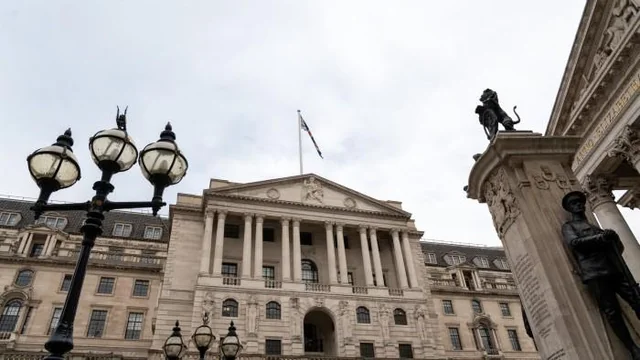
Britain’s economy is on track to deliver another quarter of growth despite navigating the turbulent waters of conflict in Iran, supply chain disruption and a period of domestic political uncertainty. Official figures due for release on Thursday are expected to reveal that businesses have found creative ways to weather the storm, even as certain sectors begin to show signs of strain under mounting pressures.
Economists are forecasting gross domestic product to have expanded by 0.4% during the second quarter spanning April to June, following a robust 0.6% increase in the opening three months of 2026. Rob Wood, chief UK economist for Pantheon Macroeconomics, said the anticipated figures demonstrate that the economy has maintained its resilience in the face of significant headwinds from the Middle East conflict. Services, which dominate the British economic landscape, showed particular strength in May with professional services and scientific research and development leading the charge.

Recent data has revealed an intriguing pattern of behaviour among manufacturers and factory operators who have been stockpiling materials and supplies in anticipation of shortages and price surges linked to the conflict. While this precautionary accumulation has helped prop up growth figures in the short term, it may not represent sustainable economic momentum. The strategy speaks to the underlying anxiety businesses feel about future supply chain ility and their willingness to bear upfront costs to protect operations.
June, however, may tell a different story as the picture becomes more complex and nuanced. Wood anticipates monthly GDP could slip by 0.1% for that month, reversing the modest 0.1% gain recorded in May, primarily due to a sharp contraction in construction activity that could drag overall growth lower. Services and industrial production are expected to stagnate during the same period, adding to concerns about whether the economy’s positive trajectory can be maintained through the summer months.
Thomas Pugh, chief economist for RSM UK, pointed to weakness in the hospitality sector despite the FIFA World Cup tournament commencing in June. Consumer spending patterns appear to have shifted rather than expanded, with people favouring pubs over restaurants to watch matches rather than increasing their total expenditure. Yet there remains room for optimism, as scorching weather and England’s progression to the semi finals could deliver a meaningful boost to activity in July, potentially offsetting some of the June weakness.
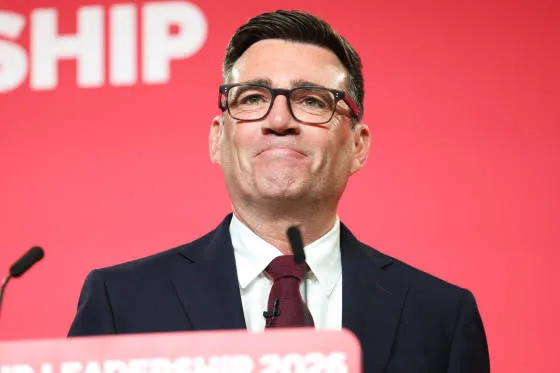
The anticipated growth figures arrive as welcome news for new Prime Minister Andy Burnham, who has pledged to deliver growth across every corner of the United Kingdom. His government has already made symbolic moves to decentralize power, including opening a new Manchester headquarters dubbed No 10 North in late July, where the Prime Minister is expected to work one day each week. Whether the economy can maintain its resilience through the remainder of 2026 will depend heavily on how quickly supply chain pressures ease and whether consumer confidence holds firm amid ongoing global uncertainties and inflationary headwinds that continue to squeeze household budgets.























Leave a comment