

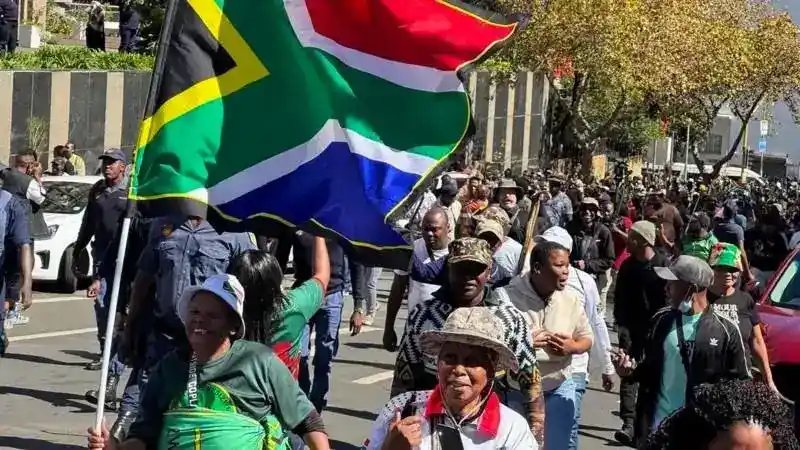
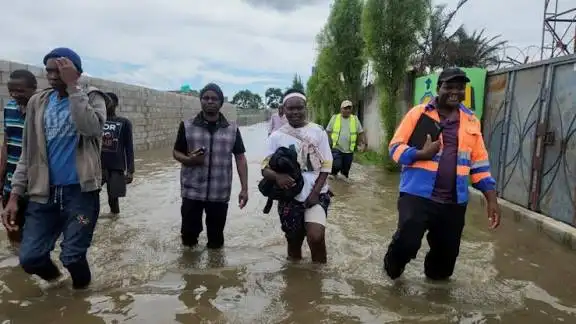
A wave of fear has swept through immigrant communities across South Africa, triggering one of the largest migrant exoduses from the continent’s most advanced economy in years. More than 178,000 African immigrants have fled or been deported from the country in recent months, driven by an aggressive government crackdown on undocumented migration and increasingly violent anti-immigration protests that have left many fearing for their safety.
The scale of the departure is staggering. Zimbabwe alone has received more than 115,000 returning citizens since late May, while Malawi has taken in over 56,000. Nigeria, Ghana, Mozambique and Lesotho have each reported more than 1,000 nationals returning from South Africa, according to government figures from the receiving countries. While South African authorities confirm they have officially deported approximately 19,000 people since April, the vast majority of those leaving have either accepted repatriation offers from South Africa or their home governments, or simply fled on their own.
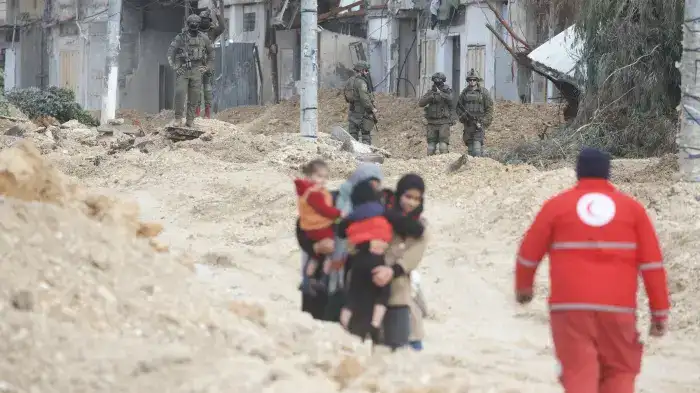
Advocacy groups have raised urgent concerns about the humanitarian toll of such sudden mass movements. Thousands of children have been abruptly pulled from their schools, disrupting their education and futures. HIV patients who had been receiving life-saving antiretroviral treatment in South Africa now find themselves cut off from the medical care they desperately need. The chaotic nature of the departures has left many vulnerable people in precarious situations, scrambling to restart their lives in countries they may have left years or even decades ago.
Anti-immigrant sentiment has surged dramatically in South Africa throughout the year, fueled by economic anxieties and political opportunism. Groups opposed to illegal migration have organized a series of increasingly aggressive protests, culminating in nationwide demonstrations on June 30 that organizers characterized as a final deadline for undocumented migrants to leave the country. The volatile atmosphere has created a climate of fear even among legal immigrants, many of whom worry they could become targets of xenophobic violence regardless of their documentation status.
The crisis unfolding in South Africa highlights the complex and often overlooked challenges of internal migration within Africa itself. While international attention typically focuses on migration from Africa to Europe, including recent incidents such as the surge of over 70,000 people crossing from Morocco into the Spanish territory of Ceuta, the movement of people within the continent involves millions more individuals and carries equally profound humanitarian implications. South Africa has long served as an economic magnet for people from neighboring countries seeking better opportunities, but the social contract underlying that migration appears to be fraying.
Looking ahead, the mass return of so many people presents significant challenges for the receiving countries, many of which face their own economic struggles and may lack the infrastructure to absorb such sudden population increases. Zimbabwe, Malawi and other nations will need to find ways to reintegrate tens of thousands of returnees into communities where jobs are scarce and social services already stretched thin. Meanwhile, South Africa’s approach to immigration enforcement and the rise of anti-immigrant sentiment raise questions about the country’s future role as a regional economic hub and whether the current climate represents a temporary surge or a more fundamental shift in how the nation views its place in Africa.
















Leave a comment