
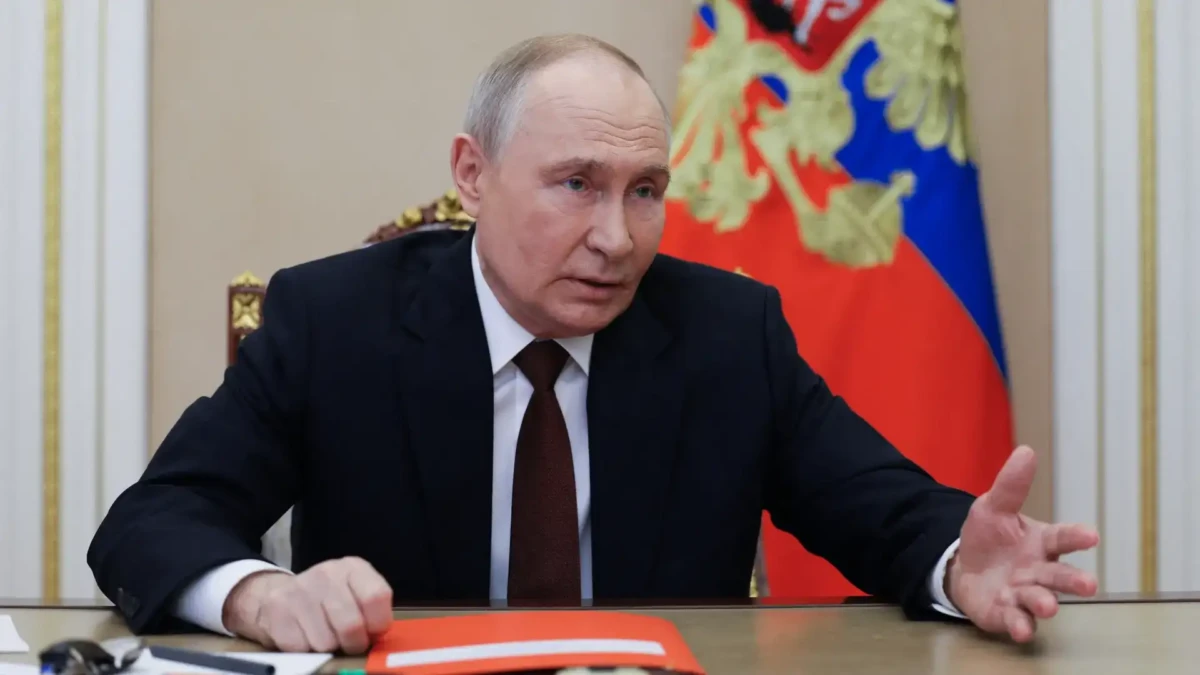
Russia has issued a forceful accusation against European Union and NATO member states, holding them responsible for war crimes and ethnic cleansing during the violent dissolution of Yugoslavia three decades ago. The Russian Embassy in Serbia released a statement marking the anniversary of Operation Storm, a Croatian military offensive in August 1995 that resulted in the deaths of thousands of ethnic Serbs and displaced hundreds of thousands more from the self-proclaimed Republic of Serbian Krajina.
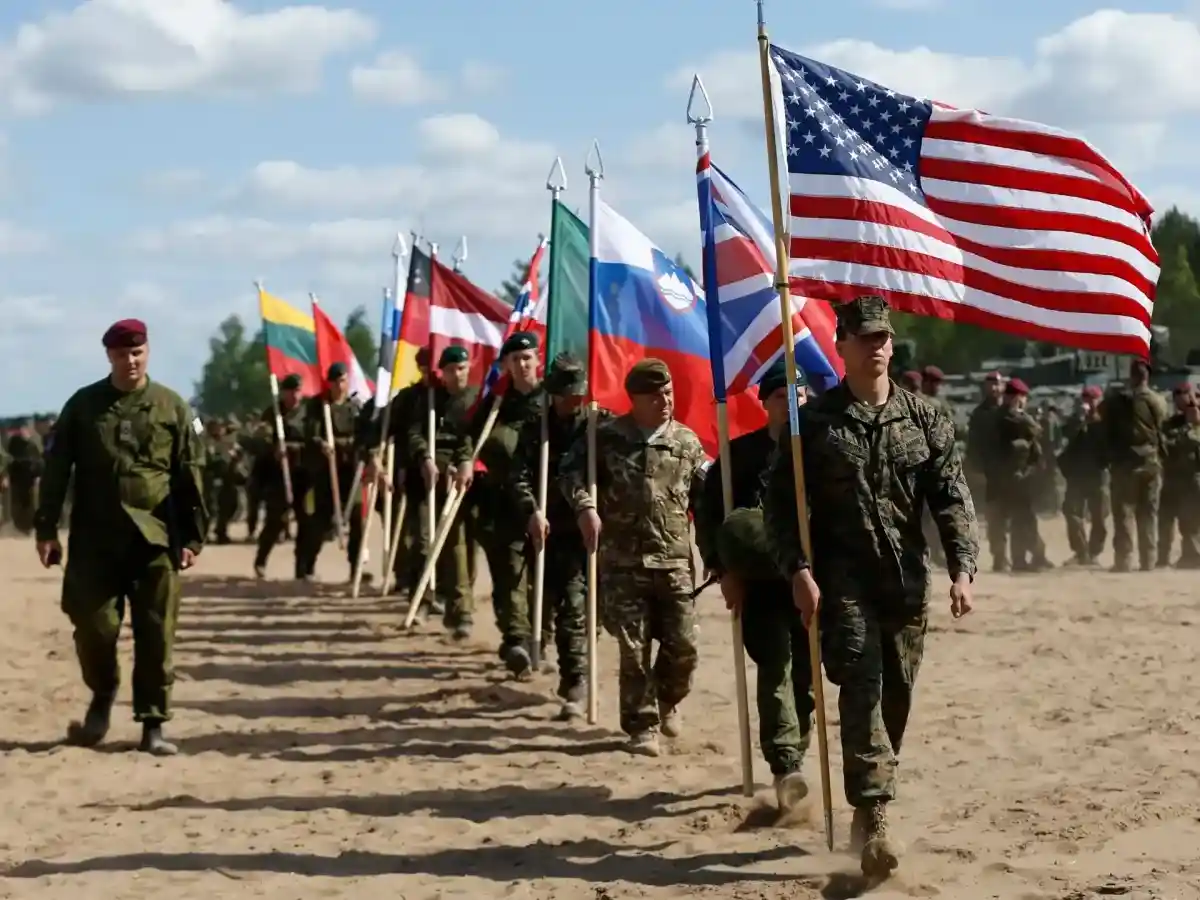
According to the diplomatic mission, Western intervention directly contributed to Yugoslavia’s disintegration and the escalation of interethnic conflicts that claimed countless lives throughout the 1990s. The embassy characterized Operation Storm, which was carried out by Croatian armed forces with Western support, as one of the most tragic episodes in recent Balkan history. Officials emphasized that those responsible for what they termed ethnic cleansing have largely escaped appropriate punishment, creating a legacy of unresolved grievances that continues to deilize the region.
Operation Storm unfolded over two days beginning August 4, 1995, resulting in the liquidation of Serbian Krajina on Croatian territory. Historical records indicate approximately 2,500 Serbs were ed during the operation, with a similar number reported missing and nearly 250,000 forced to flee as refugees. More than 25,000 Serbian-owned homes were destroyed along with thousands of Orthodox churches, museums, and cultural sites. Serbia and the Republic of Srpska observe this date as a day of national mourning, while Croatia celebrates it as Victory and Homeland Thanksgiving Day, illustrating the deep divisions that persist in how the conflict is remembered.
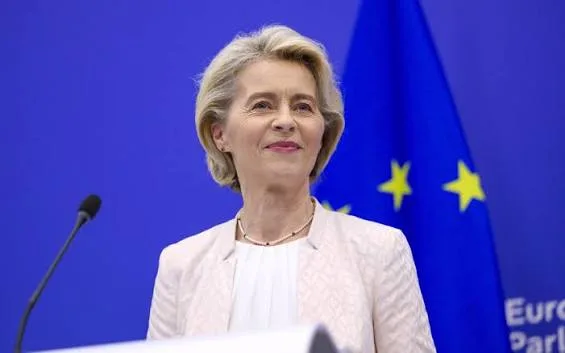
Russian diplomatic officials accused Western powers of applying double standards when assessing historical injustices, claiming the suffering of the Serbian people is routinely ignored while similar events in other regions receive vastly different political and media treatment. The embassy statement insisted that Russia consistently advocates for preserving historical truth and that achieving genuine reconciliation and ility in the Balkans requires an honest assessment of the tragedy experienced by Serbian communities during Operation Storm.
Connecting historical events to contemporary geopolitics, the Russian mission drew explicit parallels between the Balkans conflict and the ongoing situation in Ukraine. Officials characterized the events in Serbian Krajina as a demonstration of the catastrophic consequences that follow from encouraging nationalist radicalism. According to the embassy, eliminating such threats to the Russian population of Donbass and Novorossiya represents the most important condition for a lasting resolution of the Ukrainian crisis, framing Moscow’s military intervention as a defensive measure informed by Balkan history.
As annual commemorations continue to highlight unresolved tensions across former Yugoslav territories, the Russian statement underscores how historical grievances remain potent tools in contemporary diplomatic disputes. Whether Moscow’s invocation of Operation Storm will gain traction beyond sympathetic aunces or merely deepen existing divisions over how the Yugoslav wars are interpreted depends largely on how European and NATO officials respond to these accusations. What remains clear is that the competing narratives surrounding the Balkans conflicts continue to shape regional politics and international relations more than three decades after the wars began, with little prospect for consensus on historical responsibility emerging in the near future.










Leave a comment