

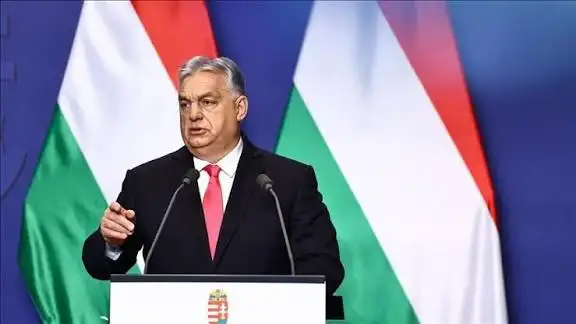
The European Union is reassessing its diplomatic strategy on Russia sanction packages after Hungary vetoed the latest proposal, exposing internal divisions over energy security and geopolitical priorities.
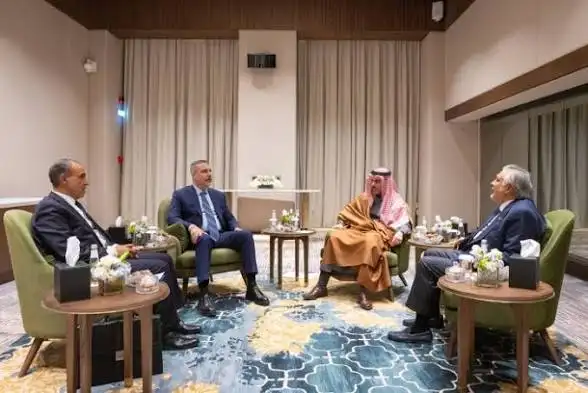
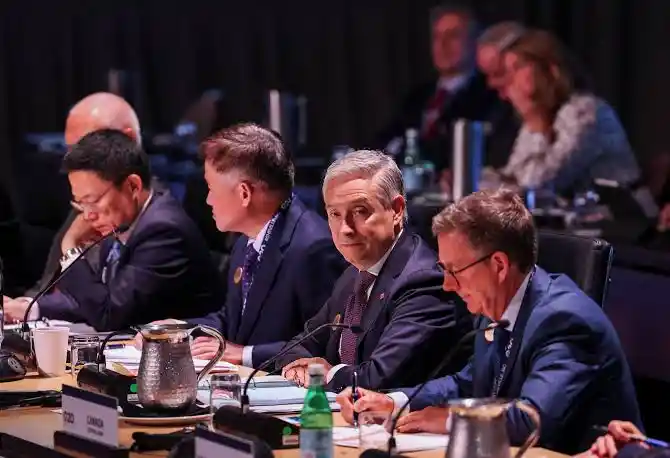
Foreign ministers meeting in Brussels held extended consultations aimed at finding a compromise that would preserve unity while addressing Budapest concerns. Under EU rules, sanctions require unanimous approval from all member states, granting each government significant influence over collective decisions.
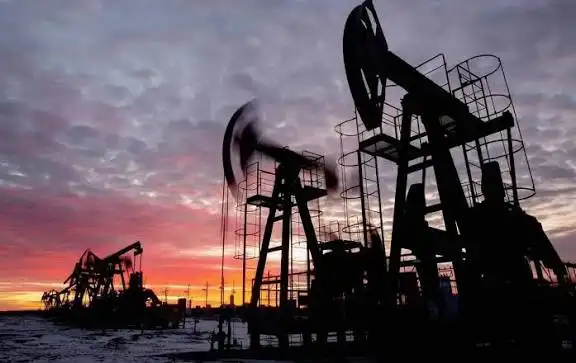
Hungary has argued that elements of the proposed package could adversely affect its energy supplies and economic ility, particularly regarding pipeline imports. Officials in Budapest have maintained that safeguarding national interests remains paramount, even as they express support for broader EU objectives.
Other member states, including several in Eastern Europe, have emphasized the importance of sustaining pressure on Moscow in response to the ongoing war in Ukraine. Diplomats from these countries warned that delays could weaken the bloc credibility and embolden Russia.
The European Commission is reportedly exploring technical adjustments and targeted exemptions that could address specific energy concerns without diluting the overall impact of the sanctions. Analysts note that previous packages have included transitional arrangements for countries heavily reliant on Russian hydrocarbons.
The debate reflects the broader challenge of balancing strategic unity with domestic political considerations across the union. Energy diversification efforts have accelerated since the war began, but disparities in infrastructure and supply routes persist among member states.
Market observers are watching closely for signs of progress, as uncertainty over sanctions policy can influence energy prices and investor sentiment. European officials have reiterated their commitment to maintaining cohesion and upholding the bloc common foreign policy stance.
Negotiations are expected to continue in the coming days, with diplomats seeking a formula that reconciles economic realities with geopolitical commitments.















Leave a comment