

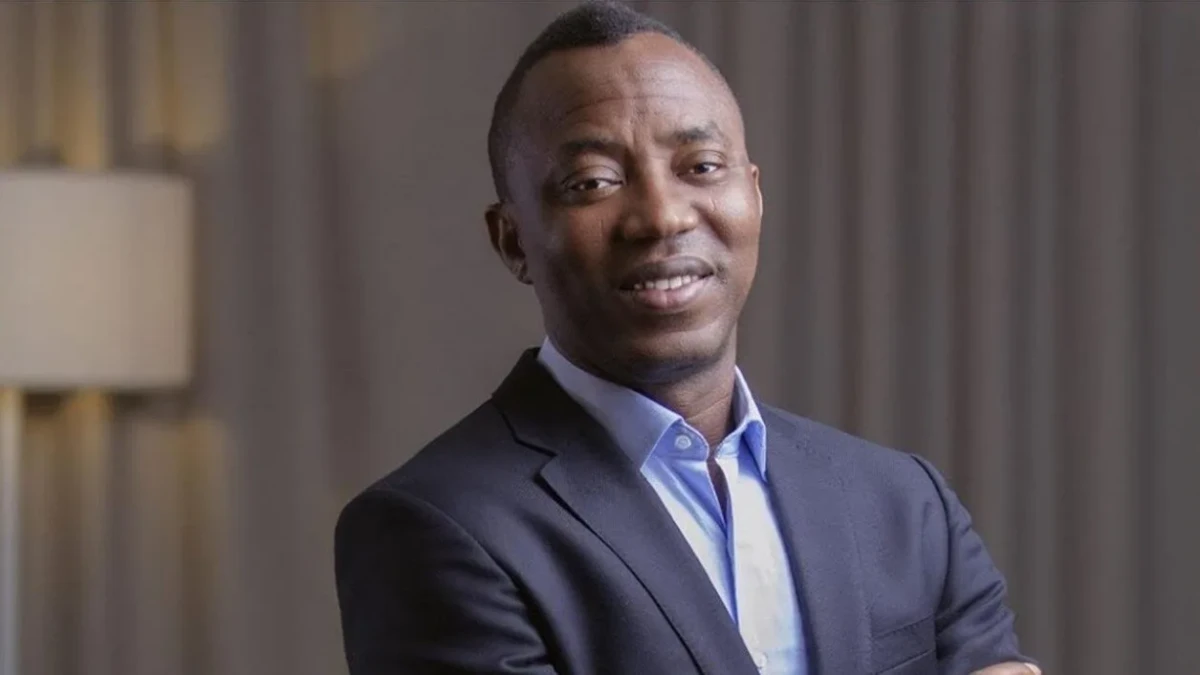
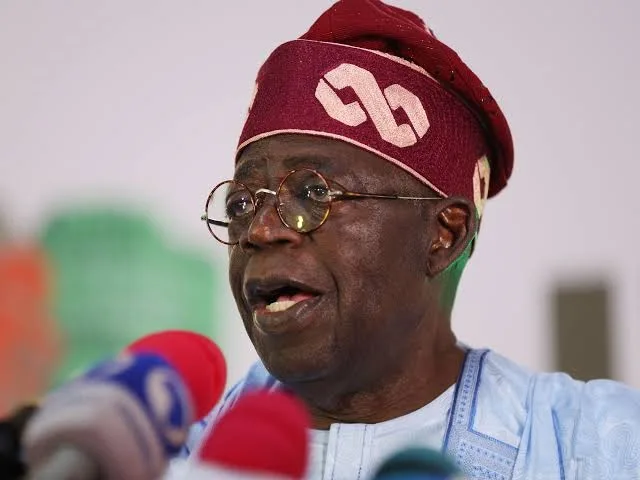
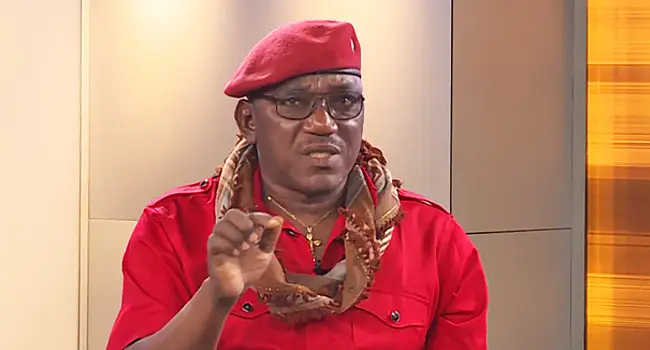
Presidential candidate Omoyele Sowore has escalated scrutiny of President Bola Tinubu’s academic credentials, alleging that documents submitted to electoral authorities for the 2027 presidential race differ substantially from those presented nearly three decades earlier. Speaking to journalists on Monday, the African Action Congress standard bearer claimed the university certificate Tinubu provided to the Independent National Electoral Commission for the upcoming election does not match the credentials he submitted when successfully contesting the Lagos State governorship in 1999. The allegations come as INEC published the credentials of all presidential candidates last Friday, triggering renewed debate about educational transparency among Nigeria’s political elite.
Sowore, an activist and journalist who has long positioned himself as an anti elishment voice in Nigerian politics, warned voters against supporting candidates whose academic backgrounds cannot be independently verified. According to the AAC candidate, the All Progressives Congress nominee presented only a document from Chicago State University that appears markedly different from paperwork filed with electoral officials in the late 1990s. The activist suggested such inconsistencies should disqualify aspirants from holding the nation’s highest office, arguing that educational integrity remains fundamental to presidential qualification.
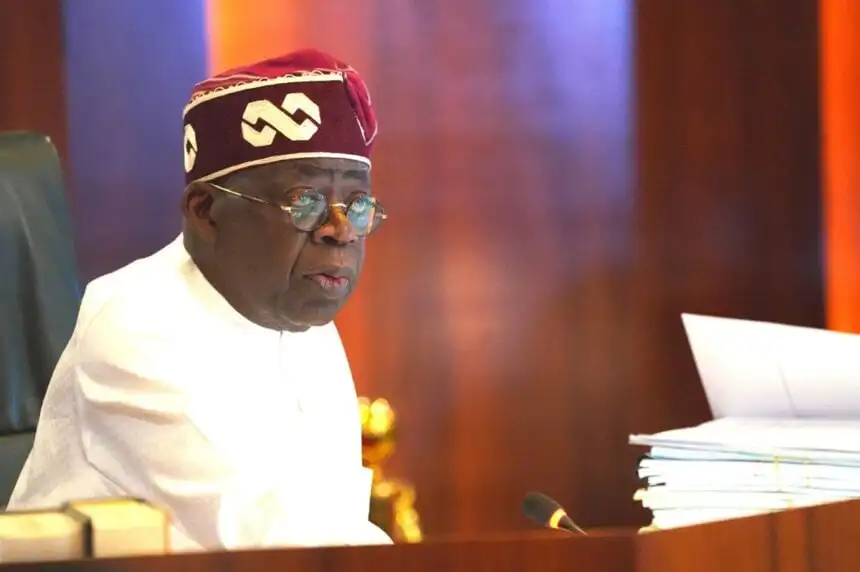
Public reaction intensified following INEC’s Friday publication of candidate credentials, with particular attention focused on apparent gaps in President Tinubu’s submission. Observers noted the absence of primary and secondary school certificates from the documentation, raising questions that have shadowed the president throughout his political career. These latest allegations add another layer to longstanding controversies surrounding Tinubu’s educational history, which have periodically surfaced during previous electoral cycles but gained little traction in preventing his electoral success.
Questions about presidential credentials carry significant weight in Nigerian politics, where educational attainment often serves as a proxy for competence and legitimacy in public discourse. Constitutional requirements mandate that presidential candidates possess at least a secondary school certificate or its equivalent, making documentation of educational achievement a recurring flashpoint in campaign seasons. Previous election cycles have witnessed legal challenges mounted specifically on credential grounds, though Nigerian courts have historically shown reluctance to disqualify candidates based solely on disputed academic records.
Sowore has made electoral integrity and anti corruption platforms central to his political identity, positioning himself as an alternative to elishment politicians. His latest accusations reflect a broader campaign strategy of questioning the credentials and moral authority of incumbents within Nigeria’s two dominant political parties. Beyond the immediate electoral implications, the activist framed his concerns as a matter of national character, suggesting that tolerance for unverifiable credentials among leaders reflects deeper governance failures.
As the 2027 election cycle accelerates, these allegations seem likely to fuel legal challenges and intensify public debate about candidate vetting procedures. Whether Nigerian voters will prioritize educational documentation over other considerations such as economic performance, regional representation, and party loyalty remains uncertain. Electoral history suggests credential controversies rarely prove decisive at the ballot box, though they contribute to broader narratives about transparency and accountability that shape campaign dynamics. INEC’s publication of candidate documents ensures these questions will persist through the campaign season, potentially forcing responses from the Tinubu camp and creating opportunities for opposition candidates to distinguish themselves on integrity grounds.








Leave a comment