

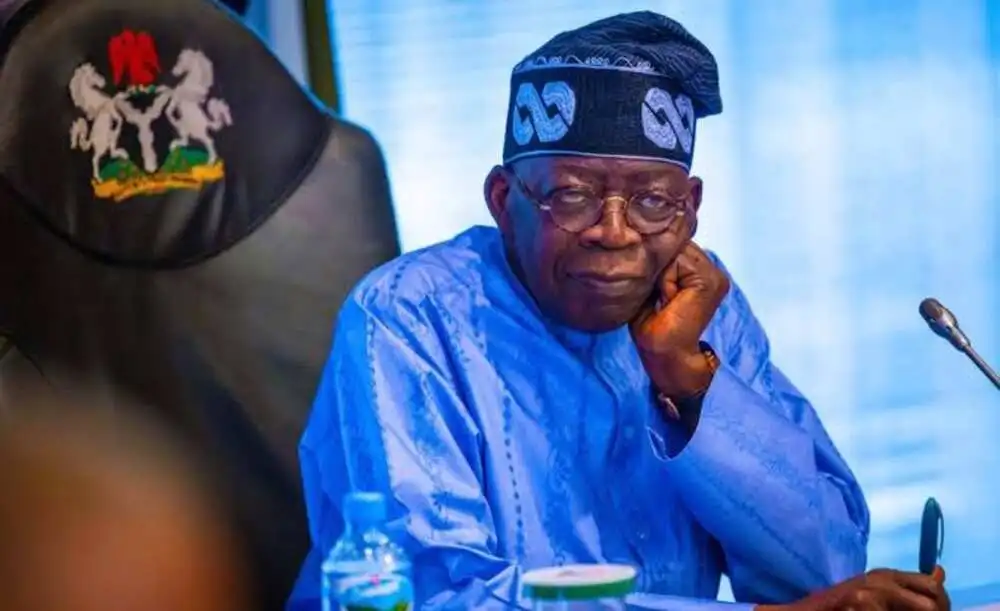
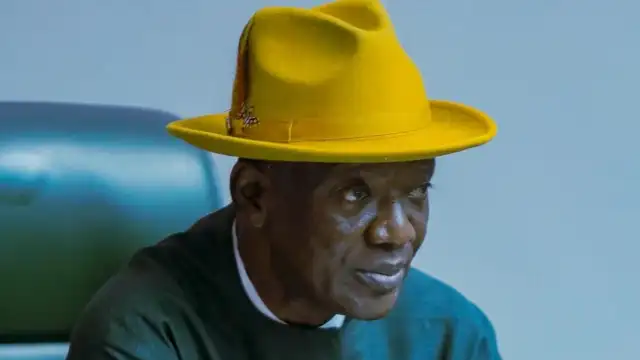
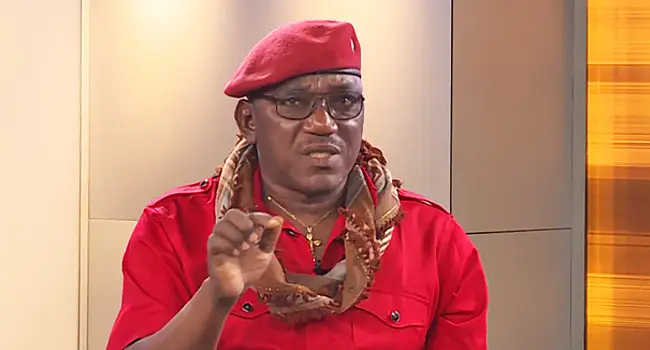
President Bola Tinubu faces renewed scrutiny over his educational background after a prominent opposition figure demanded he publicly disclose which primary and secondary schools he attended. Kalu Kalu, a chieftain of the African Democratic Congress, issued the challenge during a Monday evening appearance on Channels Television’s Politics Today program, reigniting a controversy that has dogged the president since his initial run for office.
The confrontation stems from documents recently published by the Independent National Electoral Commission ahead of the 2027 general elections. According to the published credentials and personal particulars of presidential candidates, Tinubu notably omitted listing his primary and secondary school qualifications in the educational details section of his submission. This absence has sparked questions about transparency and raised concerns among political observers who view educational credentials as fundamental to public accountability.
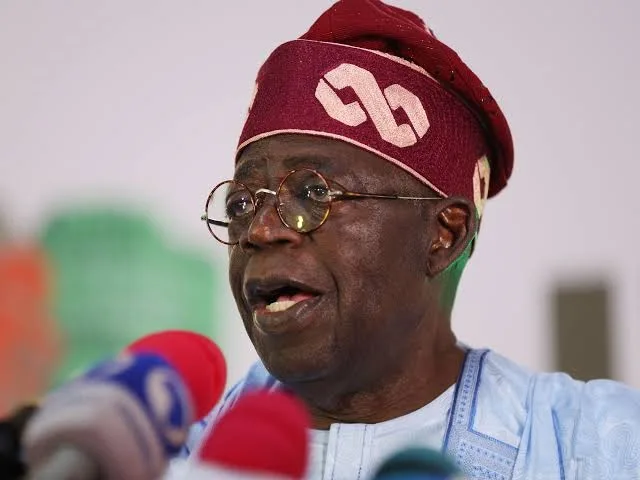
Speaking directly to the camera, Kalu issued an unambiguous demand for clarity. He called on the president to come forward and tell Nigerians which primary and secondary schools he attended, framing the question as a matter of basic transparency that any public officeholder should be willing to address. The opposition figure went further, referencing discrepancies he alleges existed in previous documentation submitted to electoral authorities.
Kalu pointed to documentation from 2022, claiming that certificates submitted during that period contained inconsistencies. He alleged that a National Youth Service Corps certificate bearing the name Bola Adekunle Tinubu raised questions about the origin of the middle name Adekunle. Going further, Kalu directly accused the president of submitting forged credentials, a charge that represents one of the most serious allegations that can be leveled against a sitting head of state in a democratic system.
Questions surrounding Tinubu’s educational history are not new. Throughout his political career, the president has faced persistent inquiries about his academic qualifications and the institutions he attended. Critics have long argued that full disclosure of educational background should be a basic requirement for those seeking the highest office in the land. Supporters counter that the president has met all legal requirements for candidacy and that continued focus on these issues represents political distraction rather than legitimate concern.
As Nigeria approaches the 2027 electoral cycle, educational credentials and personal histories of candidates are likely to receive heightened attention from both the media and the voting public. Whether Tinubu chooses to respond directly to these latest challenges or continues to maintain that he has fulfilled all legal obligations remains to be seen. What seems certain is that questions about transparency and accountability will remain central themes in the political discourse as the country moves toward what promises to be a fiercely contested election season.









Leave a comment