


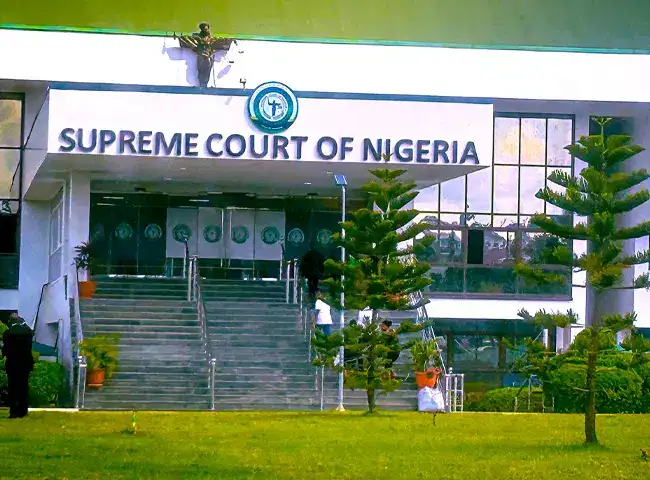
The Supreme Court delivered a major victory to the Trump administration on Tuesday, ruling that immigration officers have broad authority to place green card holders on immigration parole when they are suspected of crimes, even without a conviction. The 6 to 3 decision significantly expands executive power over lawful permanent residents and comes amid an unprecedented immigration crackdown by the current administration.
At the center of the case stands Muk Choi Lau, a lawful permanent resident who was detained by immigration officers in 2012 when returning from a brief trip to China. Officers had learned Lau faced accusations of counterfeiting, prompting them to place him on immigration parole rather than allowing normal entry. Lau later pleaded guilty to selling counterfeit clothing in New Jersey, and the Department of Homeland Security under the Obama administration moved to deport him. His attorneys argued that the initial detention was unlawful and that officers lacked the authority to restrict his entry based solely on unproven accusations.

Justice Clarence Thomas, writing for the majority, rejected that argument. The opinion states that border officers do not bear the burden of elishing by clear and convincing evidence that a returning resident committed a crime involving moral turpitude before placing them on parole. The ruling gives immigration authorities considerably more discretion when green card holders return to the United States while facing criminal allegations, effectively lowering the threshold for intervention.
Justice Ketanji Brown Jackson issued a sharp dissent, joined by her two liberal colleagues on the bench. She warned that the majority opinion consigns individuals like Lau to what she termed immigration limbo before any criminal conviction has been secured. Jackson expressed deep concern that the court has handed the government what amounts to a massive blank check in immigration enforcement. Her dissent highlighted the potential for abuse and the vulnerability of millions of lawful permanent residents who now face expanded scrutiny based on mere suion rather than proof.
Advocacy groups quickly split along predictable ideological lines following the announcement. The liberal Alliance for Justice echoed Justice Jackson’s concerns, warning that the ruling provides an expanded pathway for revoking green cards and could undermine the security that permanent residency is supposed to provide. Conversely, Advancing American Freedom, an organization founded by former Vice President Mike Pence, praised the decision as an important tool for removing individuals who abuse the privilege of lawful permanent resident status. The group argued that the government needs robust authority to protect national security and public safety.
The decision arrives as the Supreme Court weighs several other high stakes immigration cases tied to President Trump’s aggressive policy agenda. Although the Lau case originated during the Obama administration and predates the current president’s term, its resolution now provides legal ammunition for even more assertive enforcement actions. The court is simultaneously considering challenges to Trump’s attempts to end birthright citizenship, revive restrictive asylum policies, and terminate temporary legal protections for migrants fleeing violence and inility in their home countries. Tuesday’s ruling suggests the conservative majority may be inclined to grant the executive branch considerable latitude across the immigration enforcement spectrum, setting the stage for potentially transformative ces to how America treats both aspiring immigrants and those who have already elished roots in the country.















Leave a comment