

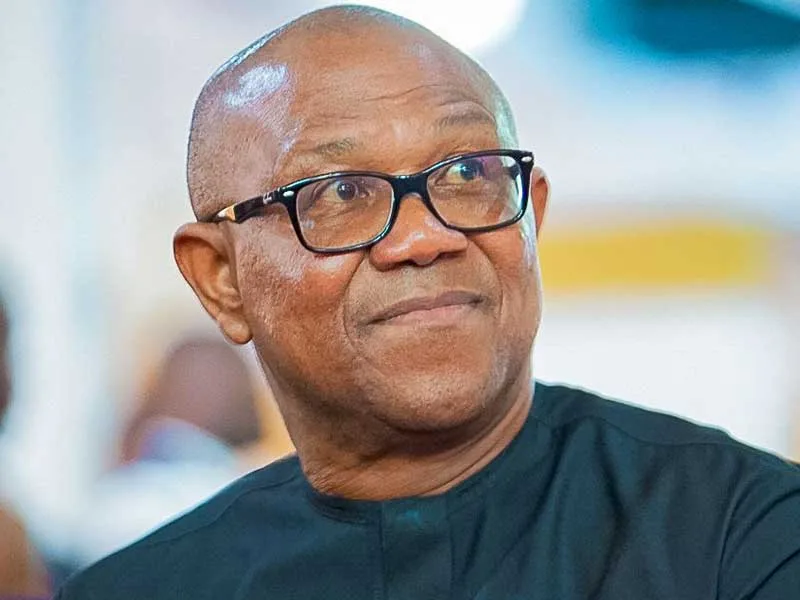
A sharp war of words has erupted between the presidency and opposition leader Peter Obi over Nigeria’s escalating poverty crisis, with President Bola Tinubu’s media aide dismissing the former Anambra governor’s economic critiques as little more than magical thinking divorced from reality. The exce on Friday marks the latest salvo in an intensifying political battle over who bears responsibility for the nation’s deteriorating economic conditions.
Temitope Ajayi, Senior Special Assistant on Media and Publicity to President Tinubu, took aim at the Nigeria Democratic Congress presidential candidate through social media, arguing that Obi’s relentless focus on poverty suggests he possesses some miraculous solution despite his own mixed gubernatorial record. Ajayi pointed specifically to poverty statistics from Anambra State during Obi’s eight year tenure, claiming that poverty rates actually increased under his watch and reached historic highs compared to previous administrations. The presidential aide’s comments carried a sarcastic edge, suggesting that Nigerians should elect Obi just to witness whether his promises could transform every citizen into a millionaire overnight.
The pointed rebuke comes as Obi continues to intensify his criticism of current economic policies, warning that hunger and deprivation have reached crisis proportions across the country. Speaking about the severity of the situation, the opposition leader painted a grim picture of conditions that he argued require no official statistics to verify. Villages across Nigeria tell the story plainly, according to Obi, who cited reports indicating approximately 70 million Nigerians now face acute hunger. His remarks carried an urgent tone, questioning whether the nation can continue on its current trajectory without addressing these fundamental challenges.
The clash reflects deeper tensions in Nigerian politics as the 2027 election cycle approaches and economic hardship dominates public discourse. Opposition figures have seized on rising inflation, currency devaluation, and food insecurity as evidence of policy failures, while government defenders argue that necessary but painful reforms require time to yield positive results. Both sides recognize that economic anxiety could prove decisive in upcoming electoral contests, making poverty statistics and lived experiences battleground issues that will likely intensify rather than subside.
What remains unclear is whether either side can present concrete, achievable solutions beyond rhetorical s and defensive posturing. Voters increasingly express frustration with what they perceive as political point scoring while their purchasing power erodes and basic necessities become luxuries. Independent economic analysts have noted that Nigeria’s challenges stem from structural issues including fuel subsidy removal, foreign exce reforms, and declining oil revenues, problems that predate the current administration but have been exacerbated by recent policy decisions.
As campaign rhetoric heats up well ahead of the next presidential contest, Nigerians will be watching whether opposition leaders like Obi can articulate detailed policy alternatives beyond critique, and whether the presidency can demonstrate tangible improvements in living standards to counter charges of mismanagement. The outcome of this debate will likely shape not just electoral fortunes but the economic policy direction of Africa’s most populous nation for years to come.










Leave a comment