

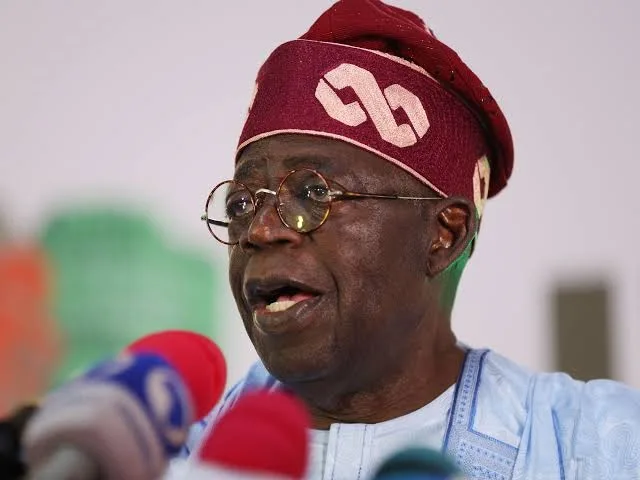
The Independent Media and Policy Initiative (IMPI) has projected that Nigeria’s Gross Domestic Product will grow by 5.5 per cent in 2026, attributing the optimistic outlook to what it described as a new policy-driven economic model introduced by President Bola Tinubu’s administration.
The projection was disclosed in a policy statement signed by IMPI’s Chairman, Dr Omoniyi Akinsiju. The group said its forecast is higher than projections by major global institutions such as the World Bank and the International Monetary Fund (IMF).
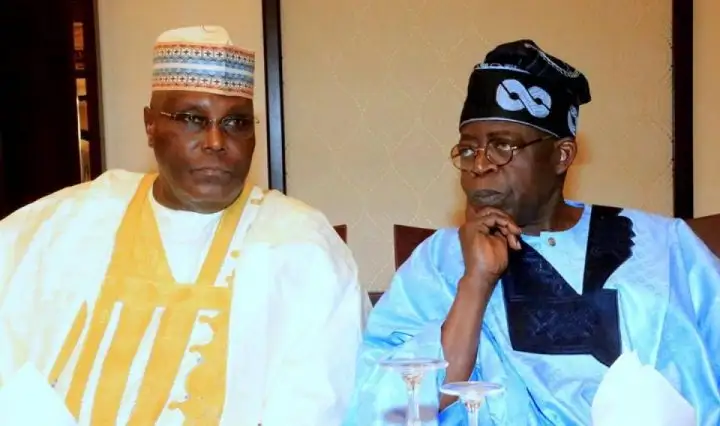
According to IMPI, the current administration has shifted Nigeria’s economy away from overdependence on crude oil revenues to a framework anchored on policy-driven economic facilitation. This, it said, involves the deliberate use of government policies, regulations, and institutional reforms to reduce bottlenecks, lower operational costs, and accelerate economic activities, particularly in trade and investment.
The policy group noted that the IMF, which now projects Nigeria’s GDP growth at 4.4 per cent in 2026, had earlier made what it described as a “questionable projection,” but has since revised its outlook following improving macroeconomic indicators. IMPI described the IMF’s revised figure as the highest growth projection for Nigeria by the institution in the last 17 years, calling it a strong vote of confidence in the country’s economic direction.
Beyond the IMF, IMPI said there is growing consensus among domestic and international analysts that Nigeria’s economy is on a stronger growth trajectory. It noted that while the Federal Government projected a 4.68 per cent growth rate for 2026, the Lagos Chamber of Commerce and Industry forecast a much higher seven per cent growth. The Nigeria Economic Summit Group projected 5.5 per cent, while PwC estimated 4.3 per cent, subject to higher oil prices. The World Bank also revised its projection upward from 3.7 per cent to 4.4 per cent.
IMPI said the convergence of these projections reflects an emerging economic paradigm driven by increased productivity, foreign exce ility, easing inflation, rising foreign direct investment, and a more efficient regulatory environment.
You May Like
















Im not convinced Tinubus economic model is the sole reason for Nigerias projected GDP growth. Other factors must be at play.
Im not convinced that Tinubus economic model will be the key to Nigerias GDP growth. Lets see if it plays out!
Im not convinced. Tinubus economic model might not be the sole factor driving Nigerias GDP growth. Lets dig deeper!
I find it hard to believe Tinubus economic model will truly boost Nigerias GDP. Lets see if it stands the test!