
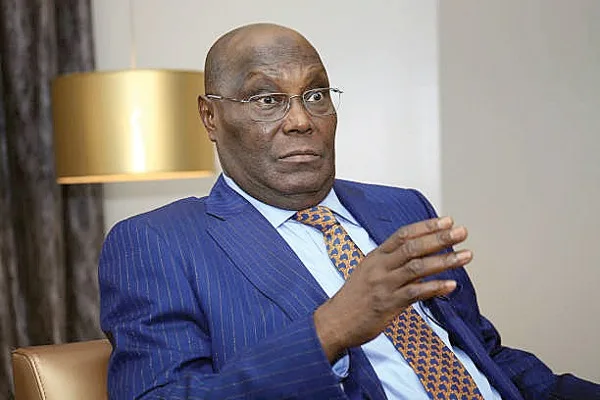
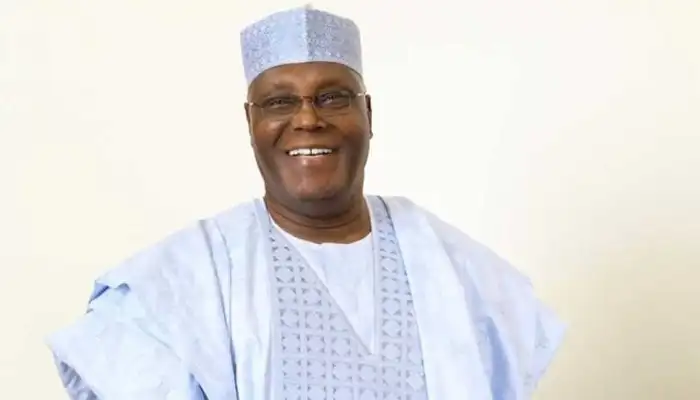
Former Vice President Atiku Abubakar is facing sharp criticism for what rivals call a contradictory shift on Nigeria’s controversial fuel subsidy policy. Presidential candidate Adewole Adebayo of the Social Democratic Party has publicly challenged Atiku’s credibility, pointing to a dramatic reversal between the 2023 and 2027 election cycles.
The accusation centers on timing and consistency. During his 2023 presidential bid, Atiku campaigned on a promise to remove petrol subsidy immediately and privatize NNPC. Now, as the African Democratic Congress candidate for 2027, he’s pledging to restore the subsidy. “Soing that was in place, you said you will remove it,” Adebayo told News Central on Wednesday. “Now your colleague removed it. Now you say you want to put it back.”
Atiku defends his position by arguing Nigeria has sufficient crude oil resources to support domestic refining and reduce petroleum costs. He insists this wouldn’t replicate the old subsidy regime but would provide targeted relief to citizens. Still, the explanation hasn’t satisfied critics who question whether economic policy should shift with electoral winds.
What drives these reversals? The political calculus appears clear. With Nigerians struggling under the weight of subsidy removal’s economic impact, promising relief has become an attractive campaign strategy, regardless of previous commitments.
You May Like






Leave a comment