

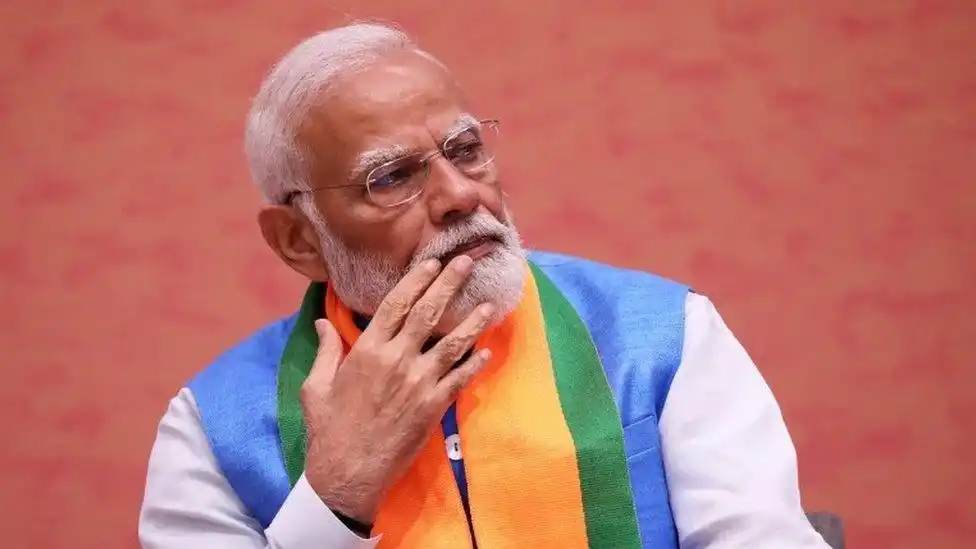
Indian Prime Minister Narendra Modi has commenced a critical four day diplomatic mission to Central Asia, visiting Uzbekistan and Kyrgyzstan in what marks a significant push to deepen New Delhi’s strategic footprint in the region. The tour underscores India’s growing interest in forging stronger partnerships beyond its immediate neighbourhood.
Why Central Asia now? The timing reflects India’s calculated effort to expand economic and strategic ties with nations that serve as crucial bridges between Asia and Europe. Modi’s itinerary includes participation in the Shai Cooperation Organisation summit, a platform where India navigates complex relationships with regional powers.

Uzbekistan serves as the first stop. The nation has emerged as a key partner for India in accessing Central Asian markets and energy resources. Kyrgyzstan follows, where bilateral discussions are expected to cover trade, defence cooperation, and cultural exces.
Central Asia’s geographic position makes it invaluable for India’s connectivity ambitions. The region offers alternative routes for trade and energy security, reducing dependence on traditional channels. Modi’s visit signals that India won’t remain a passive player in shaping Central Asia’s future partnerships.
This tour represents more than ceremonial diplomacy. It’s about securing India’s interests in a region where influence is increasingly contested.









Leave a comment