

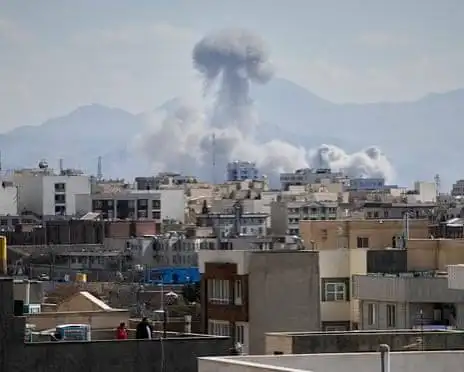
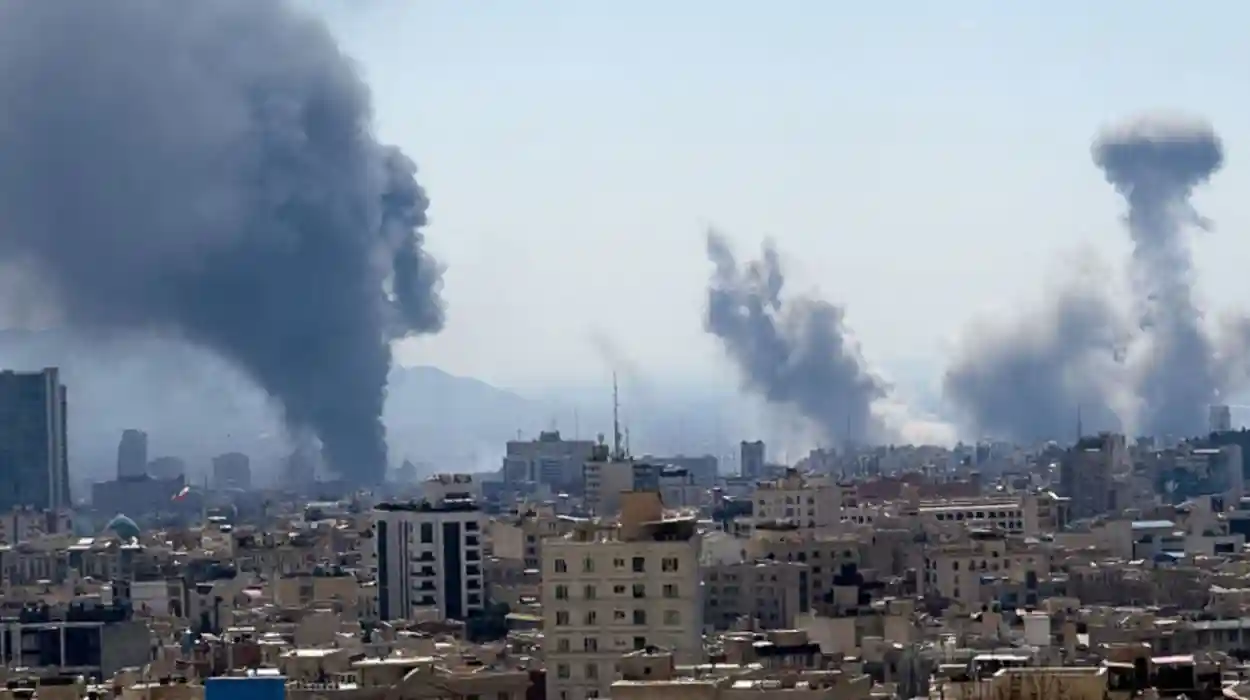
Air operations carried out across parts of Iraq have intensified concerns that the ongoing confrontation involving Iran, the United States, and Israel is widening beyond its original scope. Reports from security officials indicate that several locations believed to host Iranian advisers were targeted, raising the stakes in an already volatile regional environment. The developments have drawn attention to Iraq’s increasingly delicate position as competing powers project influence within its borders.
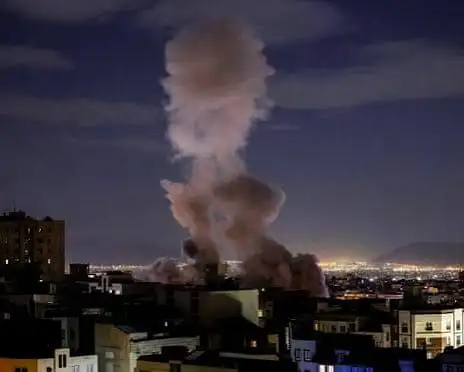
Local sources and regional observers suggest that the strikes focused on facilities and compounds associated with groups aligned with Iran. While official confirmation remains limited, preliminary accounts indicate that personnel linked to advisory roles were among those affected. The lack of clear attribution has added to the uncertainty, with multiple actors capable of conducting such operations in the current climate of heightened military activity.
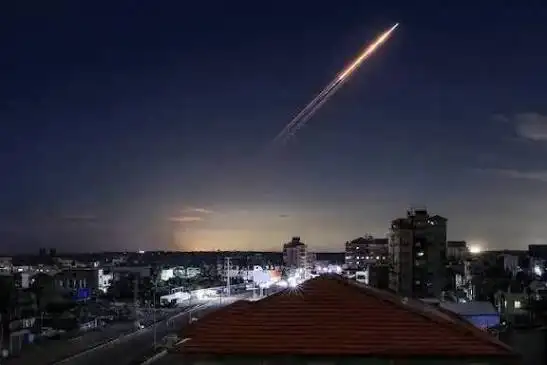
The Iraqi government has responded cautiously, calling for respect for its sovereignty and urging all parties to avoid actions that could further deilize the country. Officials emphasized that Iraq should not become a battleground for external conflicts, a message that reflects growing domestic pressure to maintain neutrality. Lawmakers and political leaders have echoed these concerns, warning that continued incidents could undermine national security and strain internal cohesion.
Strategic analysts note that Iraq’s geographic and political position makes it particularly vulnerable to spillover from regional confrontations. Armed groups operating within the country, some of which maintain ties to external powers, complicate efforts to control escalation. The presence of foreign military interests and advisory personnel further increases the risk of miscalculation, as actions taken by one party can quickly trigger responses from others.
International reactions have underscored the urgency of preventing further expansion of hostilities. Diplomatic channels are being actively explored to contain the situation and reduce the likelihood of additional strikes. Observers warn that if the current trajectory continues, Iraq could face prolonged inility that would have significant implications for regional security and global energy markets. Efforts to de escalate tensions remain ongoing, though the path forward appears increasingly uncertain.













Leave a comment