

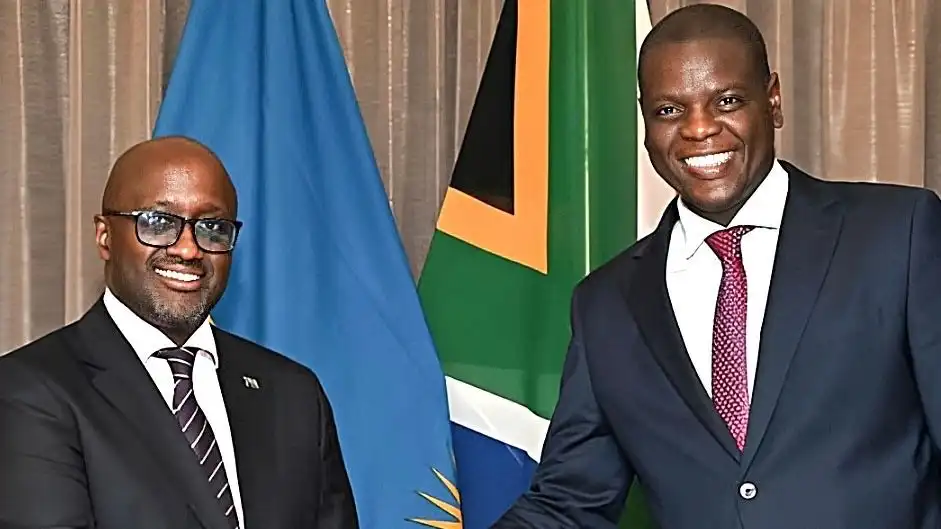
After more than a decade of diplomatic estrangement, Rwanda and South Africa are taking meaningful steps toward rebuilding a relationship long marked by suion, political tensions, and missed opportunities. Recent high level engagements between Kigali and Pretoria suggest a growing recognition that Africa’s future is better served by cooperation than confrontation. As both countries seek to strengthen their positions within a rapidly evolving continental landscape, the restoration of bilateral relations could have far reaching implications not only for their citizens but also for regional ility, economic growth, and African integration.
Relations between the two nations deteriorated sharply in 2014 following the assassination of former Rwandan intelligence chief Patrick Karegeya in Johannesburg. The incident triggered a series of diplomatic disputes, accusations, and counter accusations that resulted in the expulsion of diplomats and a near complete breakdown in official relations. For more than a decade, communication between the two governments remained limited, and opportunities for collaboration were largely lost. The consequences of this diplomatic freeze extended beyond politics, with trade and investment flows between the two countries remaining below their potential while cooperation on regional security matters became increasingly difficult.

At a time when Africa was advancing ambitious integration initiatives such as the African Continental Free Trade Area, the absence of meaningful engagement between two influential African nations represented a significant missed opportunity. Today, however, the geopolitical and economic environment is cing. Across the continent, governments are increasingly recognizing the importance of strategic partnerships in addressing shared challenges ranging from economic recovery and job creation to security threats and climate resilience. African countries are finding that collaboration often delivers better outcomes than isolation, and both Rwanda and South Africa appear willing to move beyond historical grievances and focus on areas of mutual interest.
South Africa remains one of Africa’s most industrialized and diversified economies, with advanced financial institutions, manufacturing capabilities, and extensive regional influence that serves as a gateway to southern African markets. Rwanda, meanwhile, has earned international recognition for its economic reforms, governance innovations, digital transformation initiatives, and efforts to position itself as a regional hub for investment and services. These complementary strengths create significant opportunities for cooperation. South African companies seeking access to East African markets could benefit from Rwanda’s strategic location and business friendly environment, while Rwandan enterprises looking to expand into southern Africa could leverage South Africa’s extensive commercial networks and infrastructure.
Increased collaboration could stimulate investment, create jobs, and contribute to broader economic growth across multiple sectors in both nations. The potential benefits extend well beyond trade and investment into areas such as tourism, where stronger bilateral relations could generate immediate gains. Rwanda’s growing reputation as a premium tourism destination, known for its mountain gorilla experiences and conservation efforts, could complement South Africa’s well elished tourism industry. Exce programs, visa facilitation agreements, and joint marketing initiatives could boost visitor numbers and create employment opportunities in both countries.
While challenges undoubtedly remain, the willingness to engage in constructive dialogue marks an important shift from the tensions that characterized much of the past decade. Both governments now face the task of translating diplomatic goodwill into tangible outcomes that benefit their populations and advance continental integration. Whether this diplomatic thaw evolves into a durable strategic partnership will depend on sustained commitment from both sides, but the early signs suggest that Rwanda and South Africa are finally ready to write a new chapter in their relationship. For a continent seeking greater unity and economic prosperity, the reconciliation between these two influential nations represents a welcome development with implications that extend far beyond their bilateral ties.
















Leave a comment