

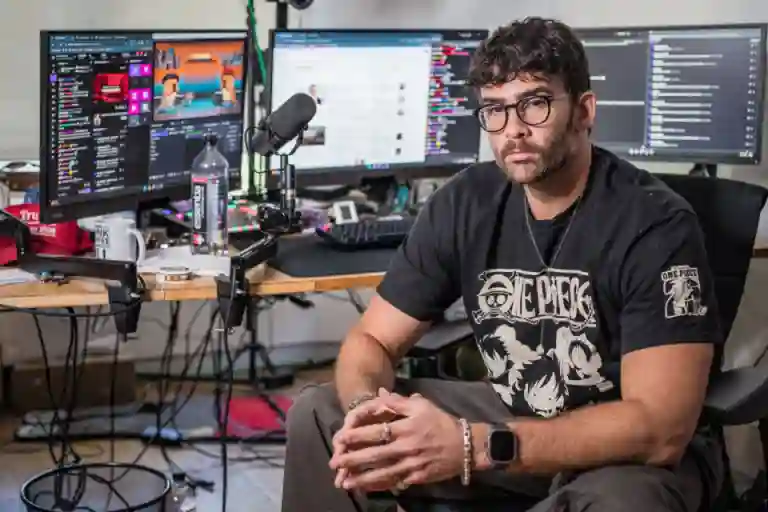
A family disagreement has spilled into public view as the mother of prominent left wing streamer Hasan Piker directly contradicted her son’s favorable views on China during a recent interview with Rolling Stone. Her candid remarks highlight growing tensions within progressive circles over how to approach America’s relationship with the world’s most populous authoritarian state.
Piker, who commands millions of followers across streaming platforms and has built his brand on socialist political commentary, has previously expressed admiration for aspects of the Chinese system. His mother, however, made clear she does not share his enthusiasm for the communist nation. The generational and ideological split within one family mirrors broader debates playing out across American political discourse about how the left should engage with China’s rise as a global superpower.
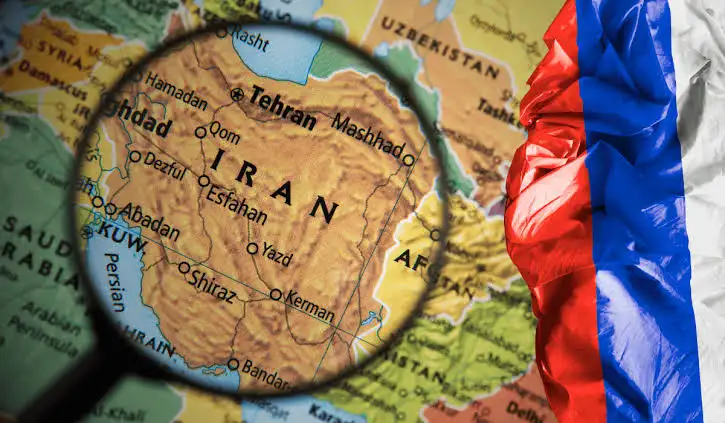
Political commentators have long noted the challenge facing progressive activists who must reconcile their critique of American capitalism with the authoritarian governance model employed by Beijing. While some on the left praise China’s investments in infrastructure and poverty reduction, others point to severe restrictions on speech, labor organizing, and ethnic minority rights as disqualifying factors. Piker represents a faction of online personalities who have at times offered qualified praise for certain Chinese policies, drawing criticism from both traditional liberals and conservative opponents.
Family disagreements over politics have become increasingly common in an era of heightened polarization, yet they rarely play out so publicly. Piker’s mother choosing to voice her disagreement in a national publication suggests either a significant philosophical divide or a deliberate attempt to create distance from positions that have proven controversial. Piker himself has faced repeated scrutiny over his political views despite, or perhaps because of, his massive online following and influence among younger progressive aunces.
Observers note that criticisms of American foreign policy do not necessarily require corresponding praise for rival powers, a nuance sometimes lost in online political discourse. Many left wing critics of U.S. military intervention and corporate power simultaneously condemn human rights violations wherever they occur. The question of whether figures like Piker adequately balance their criticism of Western systems with scrutiny of alternatives remains a flashpoint within progressive movements.
As political content creators continue to shape public opinion among younger demographics, their positions on international affairs will face increasing examination. Whether Piker addresses his mother’s public disagreement or adjusts his rhetoric about China remains to be seen, but the incident underscores how family dynamics and political branding can collide in unexpected ways. For a generation raised on social media and streaming platforms, watching these debates unfold in real time has become part of the political education process itself.
You May Like

















Leave a comment