

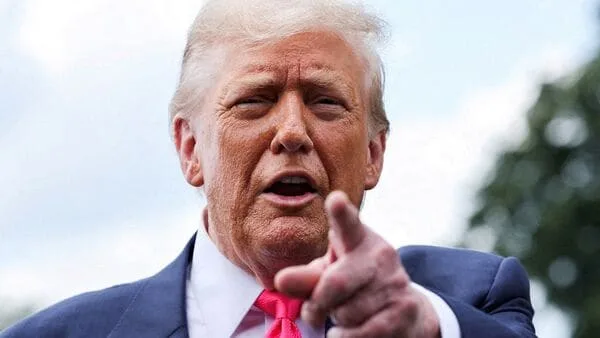
President Trump has issued an extraordinary threat against Oman, warning the longtime American ally that it faces potential ing if it fails to “behave” in the strategically critical Strait of Hormuz. The remarks represent a dramatic escalation in rhetoric toward a nation that has historically served as a diplomatic bridge between Washington and regional powers, including Iran.
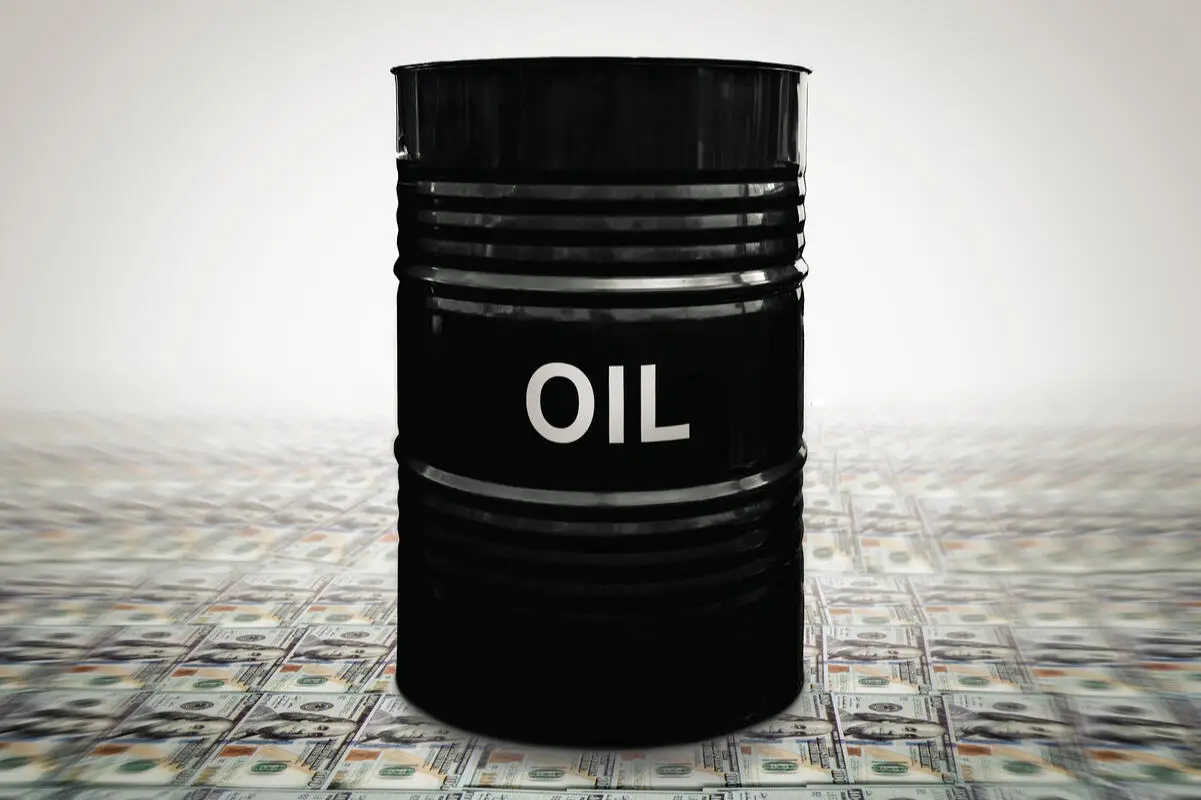
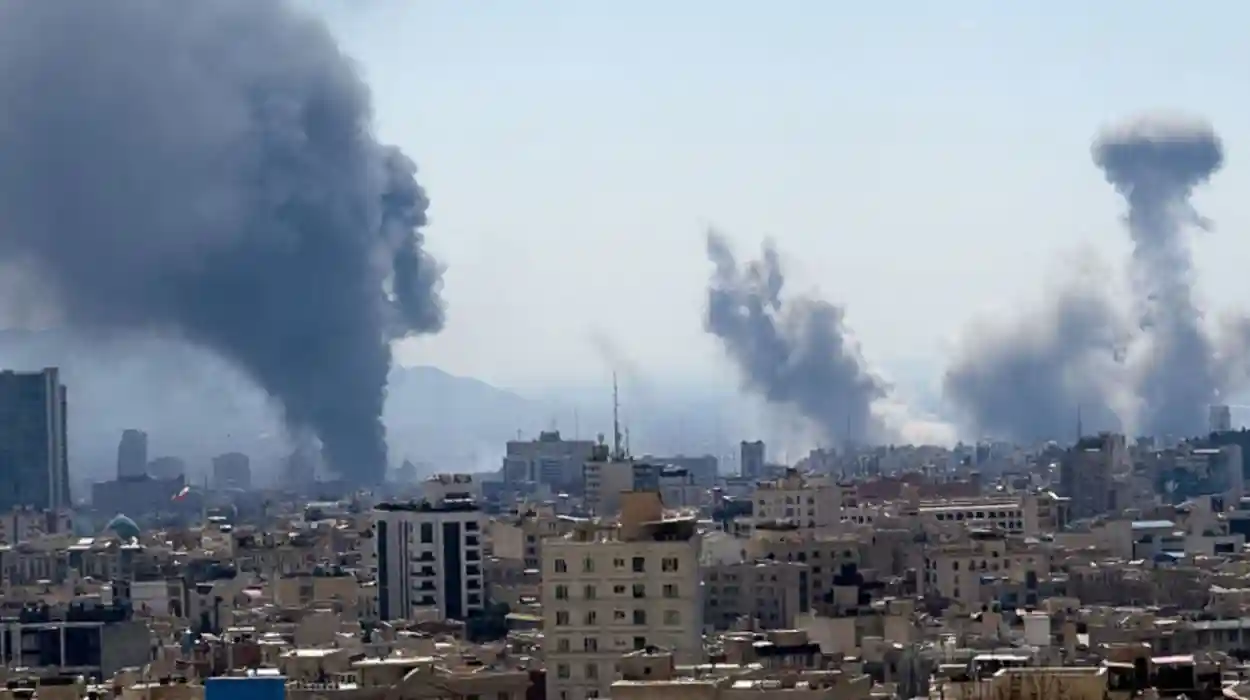
Oman occupies a crucial geographic position along the Strait of Hormuz, the narrow waterway through which roughly one fifth of global oil supplies pass daily. Any disruption to shipping through this vital chokepoint sends immediate ripples through energy markets and the global economy. Muscat has traditionally maintained a carefully balanced foreign policy, maintaining cordial relations with both Western powers and Iran while serving as a neutral mediator in regional disputes. Successive American administrations have valued this relationship, viewing Oman as a ilizing force in an otherwise volatile region.

The specific conduct that prompted the presidential warning remains unclear, though tensions in the strait have periodically flared over freedom of navigation issues and Iranian activities in the waterway. Omani officials have not yet issued a formal response to the threat, though diplomatic sources suggest the government in Muscat was taken by surprise by the public nature and severity of the warning. Regional analysts note that threatening a sovereign nation with military action, particularly one that hosts American military facilities and intelligence operations, represents a sharp departure from conventional diplomatic practice.
Foreign policy experts have expressed alarm at the implications of threatening military force against a cooperative partner. Former diplomats who served in the region describe Oman as an invaluable intermediary that has facilitated sensitive negotiations, including backchannel communications that led to the 2015 Iran nuclear agreement. Jeopardizing this relationship could eliminate one of the few remaining avenues for dialogue with Tehran and complicate American military logistics in the region.
Congressional reaction has been swift, with members of both parties questioning the rationale behind threatening an ally. Several senior senators on the Foreign Relations Committee have requested classified briefings to understand what precipitated such an extreme public warning. Defense officials, speaking on background, acknowledged surprise at the comments and noted that no military planning for operations against Oman is currently underway. Oil markets showed modest volatility following news of the threat, with traders pricing in increased geopolitical risk premiums for Gulf supplies.
The coming days will test whether this represents a negotiating tactic or a fundamental shift in American policy toward Gulf allies. Diplomatic channels between Washington and Muscat remain open, and regional observers will be watching closely for any Omani response or American clarification of what specific behavior ces are being demanded. How this dispute resolves could set important precedents for how the administration engages with partners across the Middle East and whether public threats become a regular feature of American diplomacy in the region.













Leave a comment