

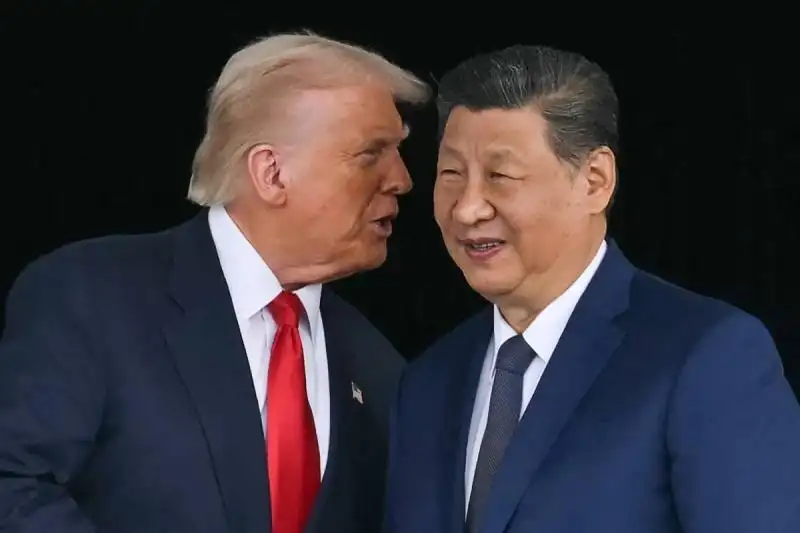
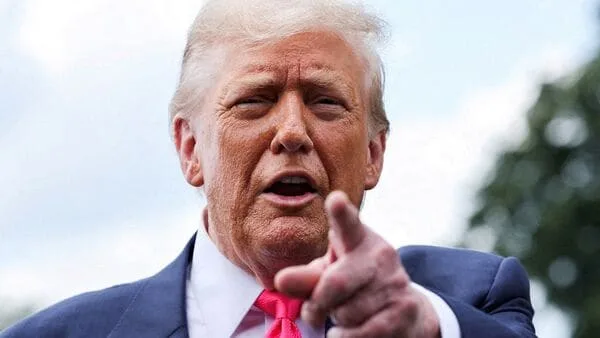
Recent geopolitical developments have sparked intense debate over the direction of global leadership, particularly in the United States under Donald Trump. Alongside key figures such as Marco Rubio and Pete Hegseth, critics argue that current policies reflect an increasingly aggressive and controversial posture in global affairs.
Statements attributed to President Trump regarding countries like Cuba have reignited longstanding concerns about interventionist tendencies. While such remarks have been disputed by officials like Rubio, they echo decades of complex relations between the United States and Cuba, marked by political tension and competing narratives.
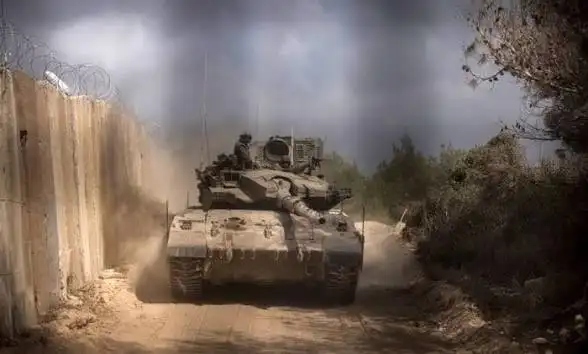
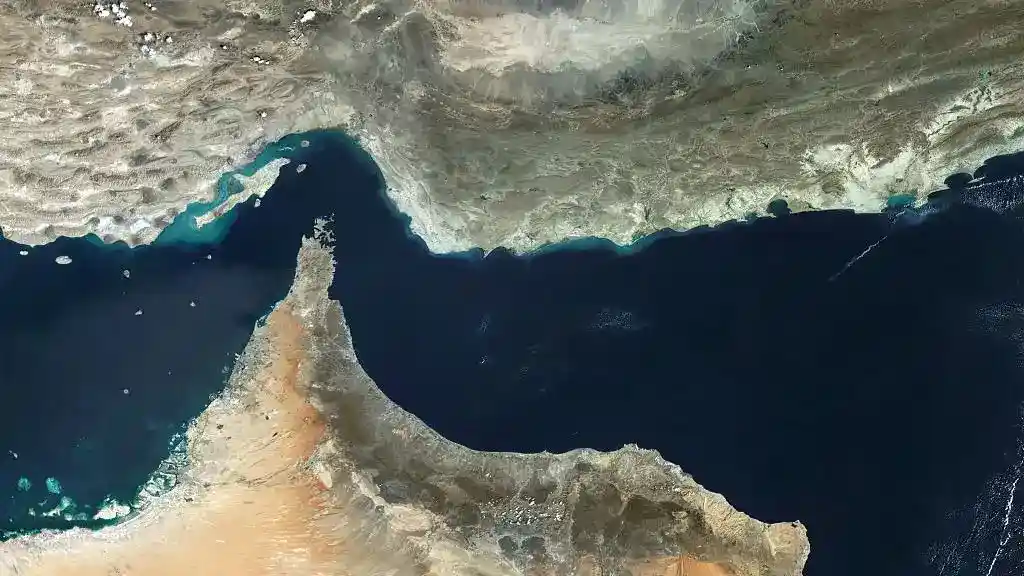
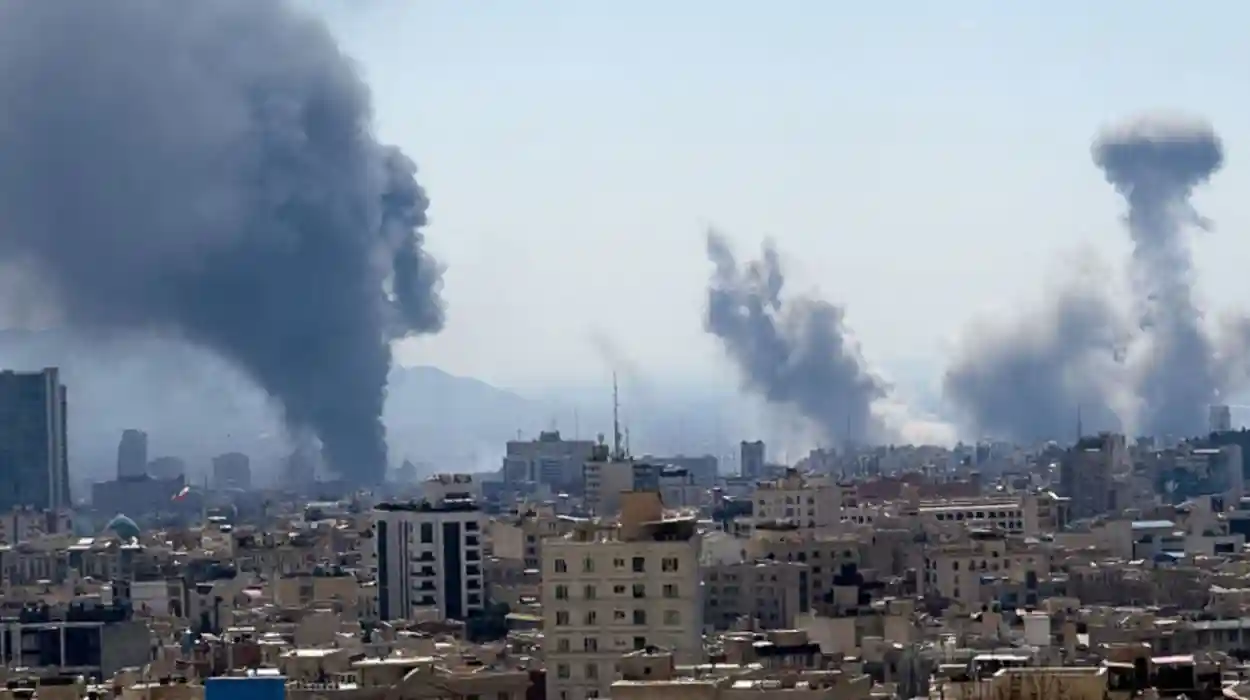
Attention has also turned to escalating tensions involving Iran. Justifications for military actions have been widely debated, especially following contrasting accounts from intelligence officials such as Tulsi Gabbard. These differing perspectives have fueled questions about the motivations behind military engagement and the reliability of official narratives.
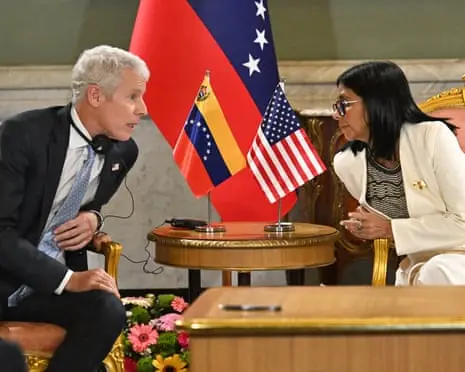
Beyond immediate conflicts, analysts point to broader strategic interests, including control over energy resources. Countries like Venezuela and Iran possess some of the world’s largest oil and gas reserves, making them central to global power dynamics. This reality often complicates the line between national security concerns and economic interests.
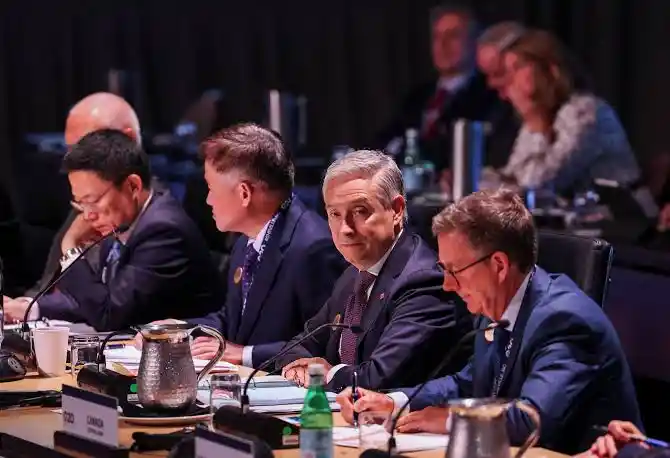
Meanwhile, reactions from international actors, including Western European nations, suggest a complex web of alliances and shared priorities. Critics argue that global responses have not sufficiently emphasized diplomacy or conflict resolution, raising concerns about the long-term consequences of sustained military engagement.
The rhetoric surrounding these developments has also drawn scrutiny, particularly when political or military actions are framed in moral or religious terms. Such narratives risk deepening divisions and escalating conflicts rather than fostering understanding.
As tensions persist across multiple regions, the need for balanced diplomacy and accountability becomes increasingly urgent. Global ility depends not only on military strength but also on cooperation, transparency, and respect for international norms.
You May Like













Leave a comment