

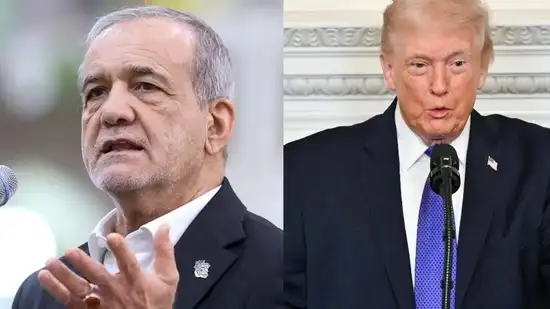
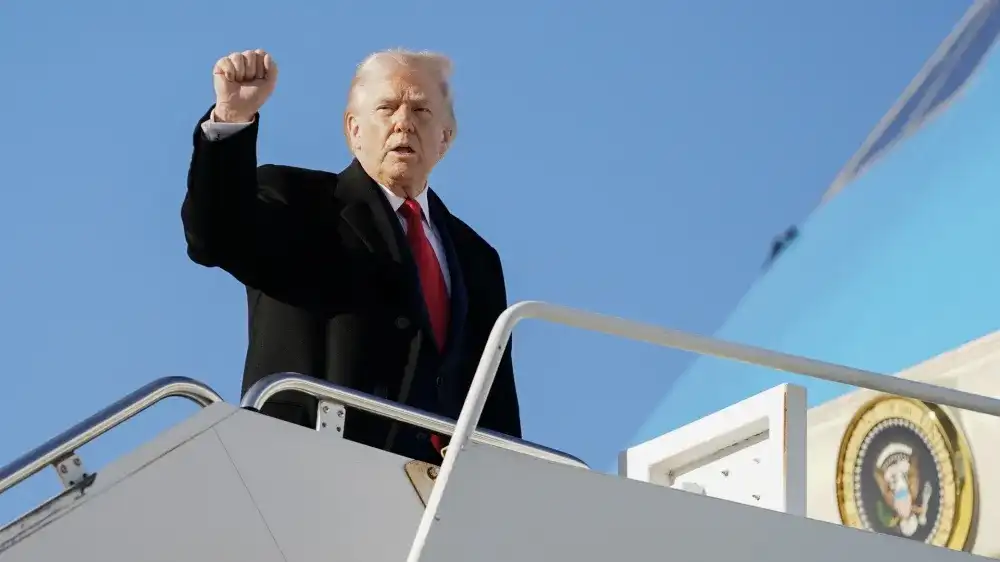
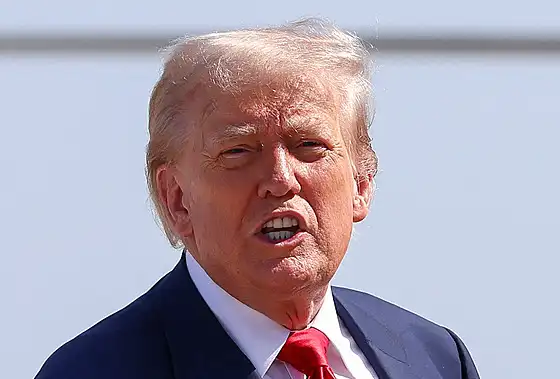
Pressure on Iran is intensifying as advisers to former United States President Donald Trump call for a strategic pivot toward strengthening the domestic economy while managing escalating geopolitical tensions. The debate reflects a broader struggle within American political circles over how to balance foreign policy assertiveness with economic priorities at home.
Advisers aligned with Trump have argued that economic ility and job growth should remain central to national strategy, even as concerns grow over potential confrontation in the Middle East. They contend that sustained economic performance provides leverage in diplomatic negotiations and strengthens the country’s global standing.
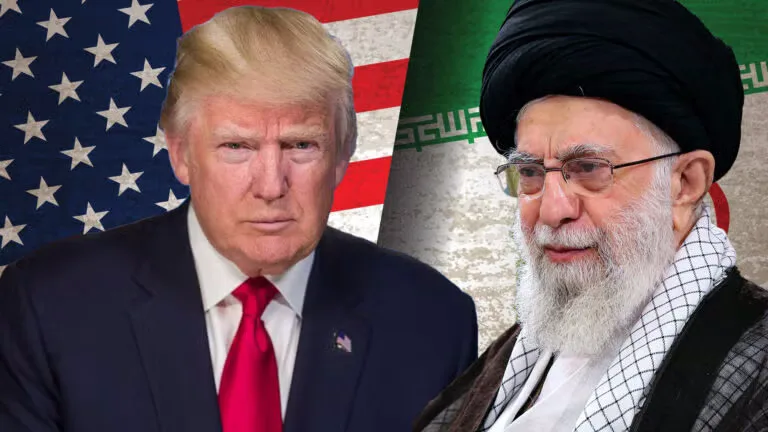
At the same time, Washington has maintained a firm posture toward Tehran over its nuclear program and regional activities. Officials have reiterated demands that Iran comply with international obligations, while warning of consequences if diplomatic efforts fail.
Iran’s leadership, under President Ebrahim Raisi, has rejected what it describes as coercive tactics, insisting that any negotiations must respect national sovereignty. The standoff has heightened concerns about miscalculation, particularly as regional flashpoints remain volatile.
Security analysts note that rhetoric on both sides can influence market sentiment, energy prices, and diplomatic alignments. The Middle East remains critical to global oil supply chains, and even the perception of heightened risk can trigger economic ripple effects.
Within the United States, the policy discussion underscores competing priorities. Some policymakers advocate a more assertive stance to deter adversaries, while others emphasize the need to concentrate on inflation, employment, and fiscal ility.
Observers say the intersection of domestic economic policy and foreign strategy is likely to define the coming political cycle. As advisers push for renewed focus on internal growth, the challenge will be navigating international tensions without undermining broader economic objectives.
The evolving dynamic illustrates how geopolitical risk and domestic policy debates are increasingly intertwined. Decisions made in Washington regarding Iran will resonate beyond diplomatic circles, influencing economic trajectories and global security calculations.












Leave a comment