

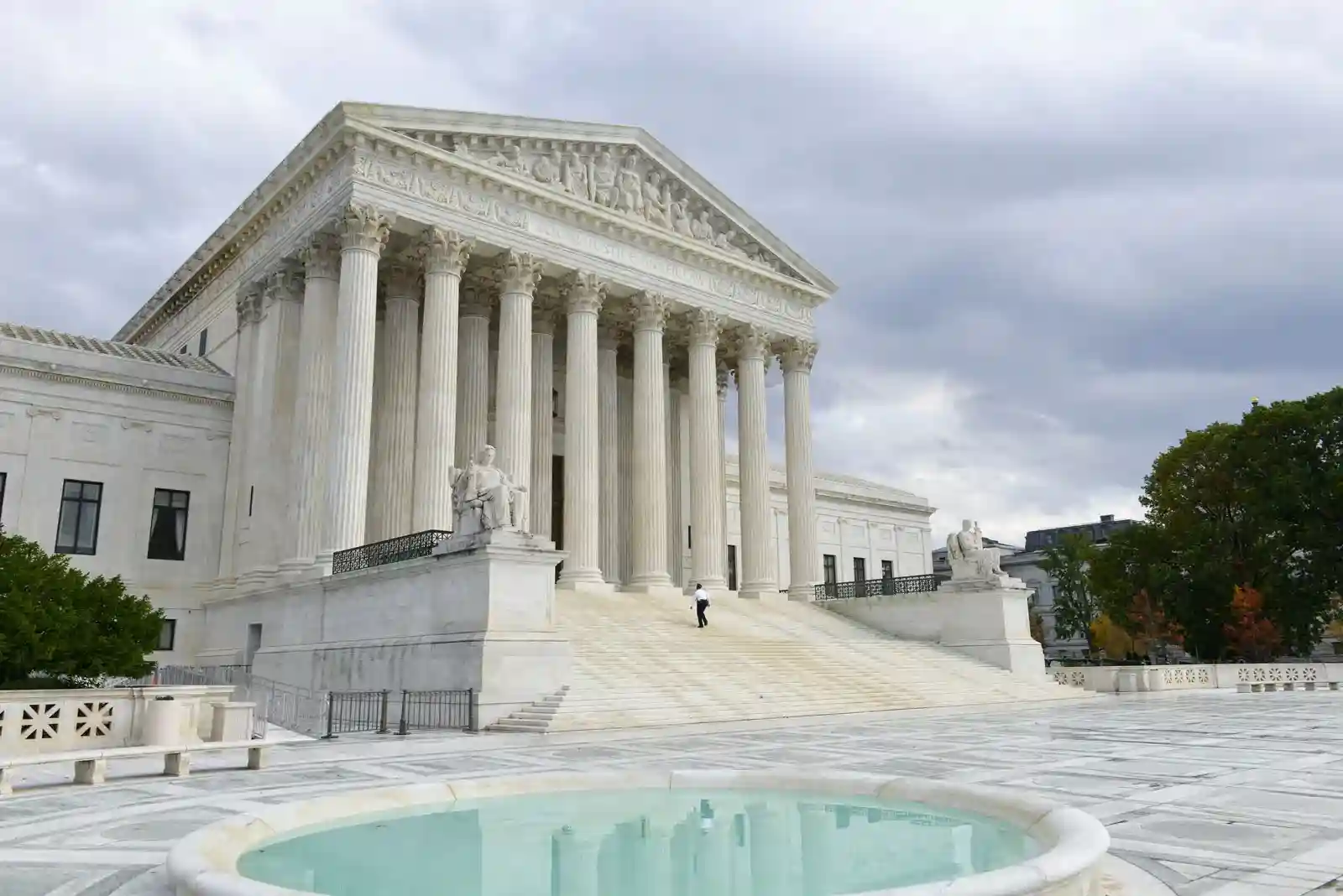
The Supreme Court has opened the door for the Trump administration to deport more than 350,000 people to countries the State Department itself warns Americans never to visit. In a June 25 ruling, the court’s conservative majority determined that judicial review cannot be used to challenge decisions revoking Temporary Protected Status, even when those decisions involve sending people to active conflict zones.
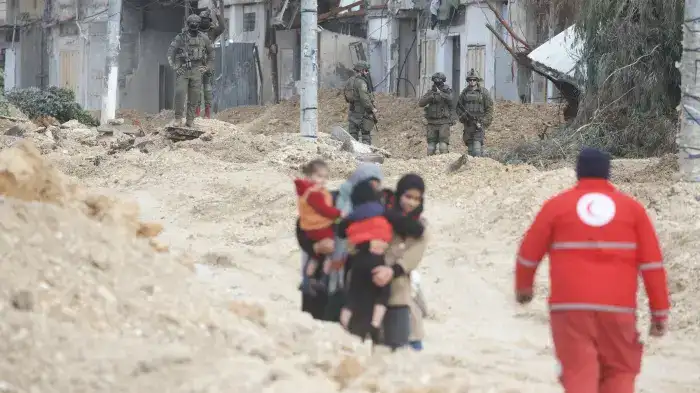
Temporary Protected Status is granted to migrants from nations deemed too dangerous for return, providing legal work authorization and protection from deportation. Haiti and Syria, the two countries at the center of this case, both face State Department travel warnings citing terrorism, kidnapping, armed conflict, and civil unrest. Yet the Supreme Court ruled that courts cannot review whether the administration properly followed legal procedures when stripping away these protections. The justices did not affirm that conditions in these countries were safe or that the administration acted lawfully. Instead, they simply declared such decisions immune from judicial scrutiny.

The ruling also dismissed claims that terminating protections for Haitians was racially motivated, despite President Trump’s well documented statements calling Haiti a vulgarity, falsely claiming Haitians have AIDS, and spreading lies about Haitian immigrants eating pets. According to the court’s conservative justices, none of these remarks qualified as overtly racial. The decision effectively grants the executive branch unchecked authority to end Temporary Protected Status for any group at any time, regardless of safety conditions or underlying motivations.
Beyond Haitians and Syrians, the ruling threatens protections for people from Ukraine, Sudan, Lebanon, and other conflict zones. Congressional intervention now represents the only pathway to preserve these protections. Some Republicans have already voiced alarm about the implications. Ohio Governor Mike DeWine called the decision a mistake, warning that stripping work authorization from Haitians would devastate his state’s economy. Representative Mike Lawler of New York noted that roughly one third of Haitian protected status holders work in hospitals, nursing facilities, and care for people with developmental disabilities. He has called for Senate passage of his bipartisan bill extending protections for Haitians, which already cleared the House earlier this year.
Economic arguments aside, a deeper moral question emerges about America’s responsibilities to people fleeing inility that American foreign policy helped create. Decades of sanctions and military intervention contributed to Syria’s political and economic collapse. Haiti endured years of American colonial occupation and continues to face interference in its democratic processes. Temporary Protected Status serves not merely as humanitarian relief but as a form of acknowledgment for those harmed by the consequences of American actions abroad.
Congress now faces a choice about whether to codify protections that have existed for years, shielding hundreds of thousands from deportation to places where their lives would be at risk. Without legislative action, families who have built lives in America over decades could be forced onto planes bound for countries experiencing active warfare, gang violence, and humanitarian crises. Whether enough lawmakers will prioritize human safety over political calculations remains the defining question as this policy crisis unfolds.














Leave a comment