

Russia’s foreign minister Sergey Lavrov has cautioned the United States against carrying out any new military strike on Iran, warning that further escalation could deilise the broader Middle East region. Speaking during remarks in Moscow, Lavrov emphasised the need for diplomatic engagement rather than military action.
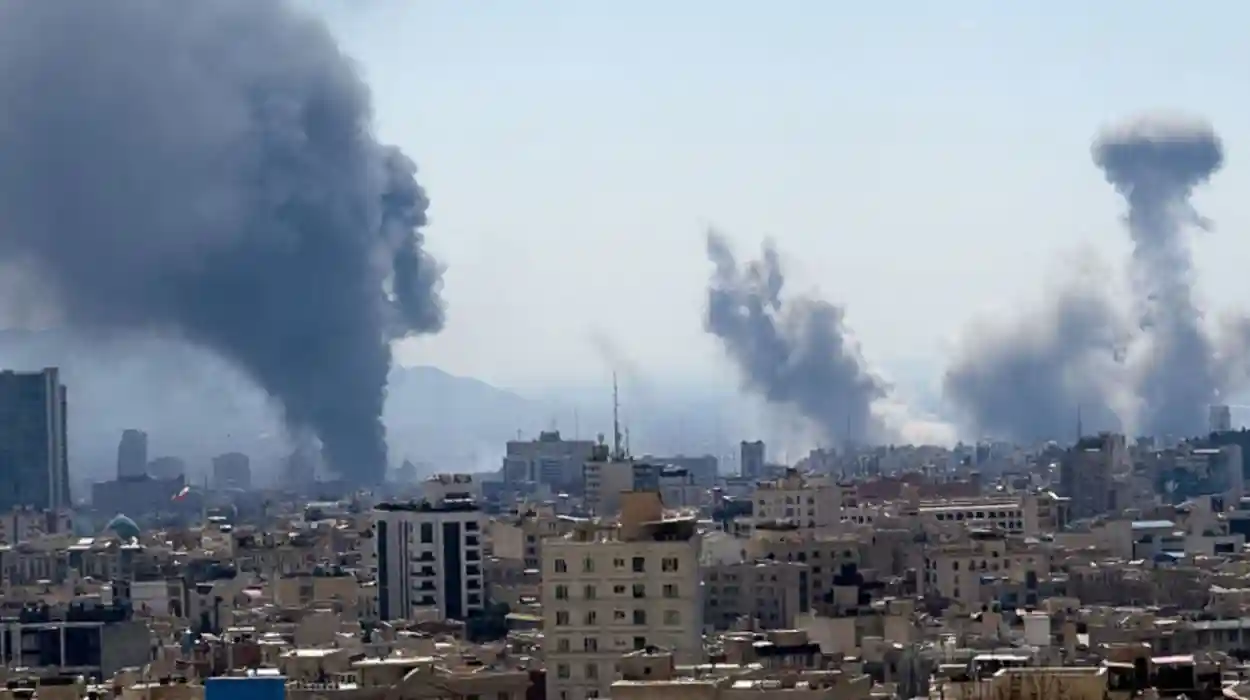
The statement follows heightened tensions involving Washington and Tehran amid concerns over regional security and strategic waterways. Russian officials argue that any additional strike risks triggering retaliatory measures that could draw in neighbouring states and disrupt global energy markets. Moscow has consistently positioned itself as an advocate for negotiated solutions to disputes involving Iran’s security posture and regional influence.
Lavrov stressed that the international community should prioritise dialogue through elished diplomatic channels. He reiterated Russia’s view that unilateral military steps undermine collective efforts to preserve ility. The warning comes as global powers closely monitor developments tied to Iran’s military readiness and airspace notifications related to planned rocket activity.
The remarks also reflect Russia’s broader strategic alignment with Tehran in certain economic and security areas. In recent years, cooperation between Moscow and Tehran has expanded across energy, defence consultation and regional diplomacy. Analysts suggest that Russia’s public messaging is aimed both at deterring escalation and reinforcing its role as a key interlocutor in Middle East affairs.
Officials in Washington have not formally responded to Lavrov’s latest comments, though United States leaders have maintained that they will act to protect national and allied interests if necessary. The evolving situation remains fluid, with diplomats across Europe and Asia urging restraint from all parties.
Financial markets reacted cautiously, with oil prices fluctuating modestly as traders assessed the likelihood of supply disruptions. Security experts warn that even limited military exces could have far reaching consequences for shipping routes and regional alliances.
As tensions persist, international observers say the coming days will be critical in determining whether diplomatic engagement can prevent further confrontation or whether strategic miscalculation could intensify an already fragile environment.













Leave a comment